
 Военное обозрение
 By Sergey Linnik
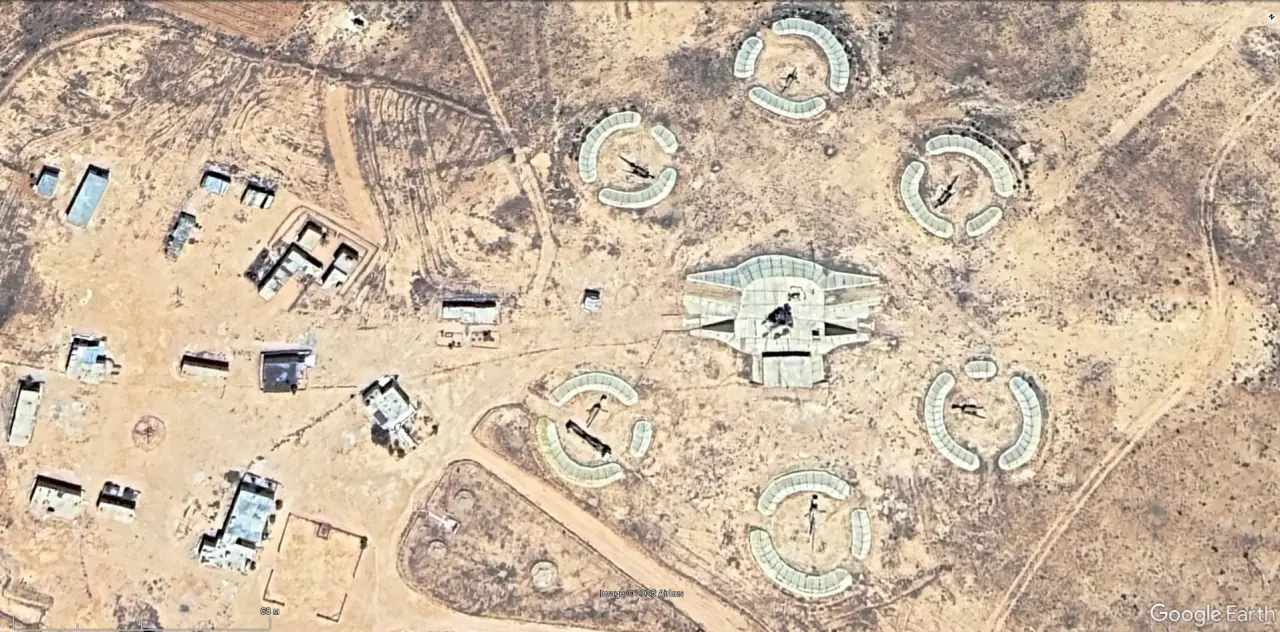
Following the deployment of anti-aircraft missile systems in the Soviet Union in the second half of the 1950s, missile. The firing positions of these systems became the subject of close scrutiny by American intelligence, with the use of reconnaissance aircraft and spacecraft. Currently, thanks to the development of services publishing high-quality images of the Earth’s surface taken from commercial satellites, anyone with a personal computer or even a smartphone can easily find active or abandoned SAM sites. Modern technologies make it relatively easy for the average user to independently verify materials related to this area. Defense, published in news tape.
Some time ago, I had a discussion with a visitor to the Military Review website about the possibilities of identifying various anti-aircraft missile systems and their deployment characteristics in satellite imagery. Impressed by the categorical nature of my opponent’s statements and the depth of his knowledge, I decided to create a series of articles on this topic, examining first-generation target air defense systems, military systems, and modern air defense and missile defense systems. Today, I’ll discuss the most famous Soviet first-generation air defense system, the S-75, and its foreign copies. Considering that the S-75 and its Chinese clones are still in service with the air defense forces of a number of countries, this remains relevant.
S-75 family anti-aircraft missile systems
In 1957, the Soviet Air Defense Forces began receiving SA-75 Dvina air defense missile systems. The new system was capable of engaging frontline and strategic bombers and reconnaissance aircraft flying at subsonic or moderately supersonic speeds at medium and high altitudes. In 1957, the industry managed to produce 30 air defense missile systems and 621 missiles…
READ FULL ARTICLE HERE… (en.topwar.ru)

Home | Caravan to Midnight (zutalk.com)




Be First to Comment