
by Jesse Johnson
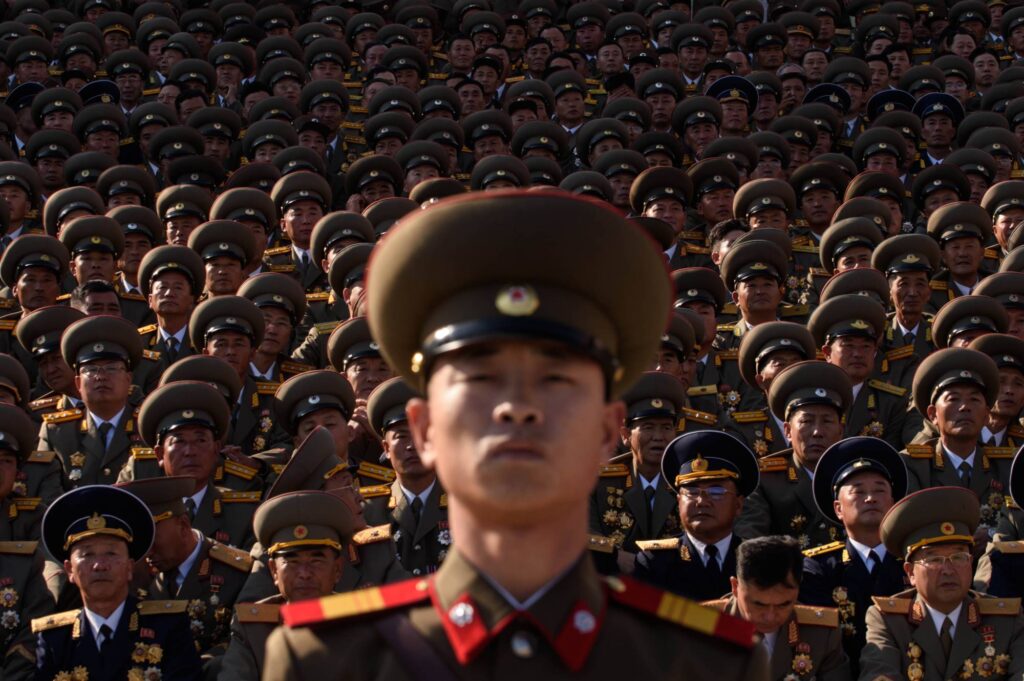
A North Korean missile is unlikely to streak across the sky Saturday, when the country celebrates the 75th anniversary of its ruling party, but observers expect them to roll out “something big” for a massive military parade marking the event in Pyongyang’s Kim Il Sung Square.
The parade, less than a month ahead of the Nov. 3 U.S. presidential election, will be a chance for nuclear-armed North Korea to showcase its growing arsenal, giving Washington and its allies in Tokyo and Seoul a glimpse of the new capabilities it has developed amid stalled denuclearization talks — and returning Pyongyang to the media spotlight.
In January, North Korean leader Kim Jong Un warned that he would “in the near future” reveal a “new strategic weapon” to the world while also declaring that his country is no longer bound by its self-imposed moratorium on nuclear and intercontinental ballistic missile (ICBM) tests.
More than 10 months on, Kim may finally be ready to show his hand.
“The North Koreans have been holding a lot back that they are eager to show us,” Ankit Panda, a senior fellow at the Carnegie Endowment for International Peace, told a recent teleconference hosted by the Korea Society. According to Panda, the North Koreans could show off scores of solid-fuel missiles, including medium-range weapons capable of striking Japan.
“(North Korea) will parade those down at Kim Il Sung Square in a way they’ve never done before.”
Showing off new weapons systems at military parades has been a common practice for Pyongyang, especially during fifth or 10th anniversaries. And this year’s parade appears to be no exception.
According to North Korea-watching website 38 North, recent commercial satellite imagery shows that Kim Il Sung Square appears to have been secured for the military parade. Months of upgrade work on a bridge used by parade vehicles en route from the Mirim Parade Training Ground to the square that would strengthen it for heavy loads has been completed. Meanwhile, training has continued at the Mirim site, where garage-like structures have been built that could house transporter-erector-launchers (TELs) for the North’s largest missiles.
CONTINUE READING
Japan Times.co.jp