

Researchers trained lab-grown human brain cells connected to a chip to play the classic video game Doom. The breakthrough demonstrates real-time adaptive learning in hybrid biological computing systems.
Posts published in “AI”
Vice President JD Vance is framing artificial intelligence as a defining political issue that will influence global power and domestic policy. His approach focuses on protecting Americans while ensuring the United States leads the AI race.

A recent Copilot update may cause web links to open inside the assistant rather than the user’s chosen browser. Critics say the change could bypass default browser settings and limit user control.

A new report warns that powerful artificial-intelligence systems originally designed for adults are quietly being integrated into toys marketed to children. Researchers say the technology could expose kids to privacy risks, behavioral manipulation, and extensive data collection.
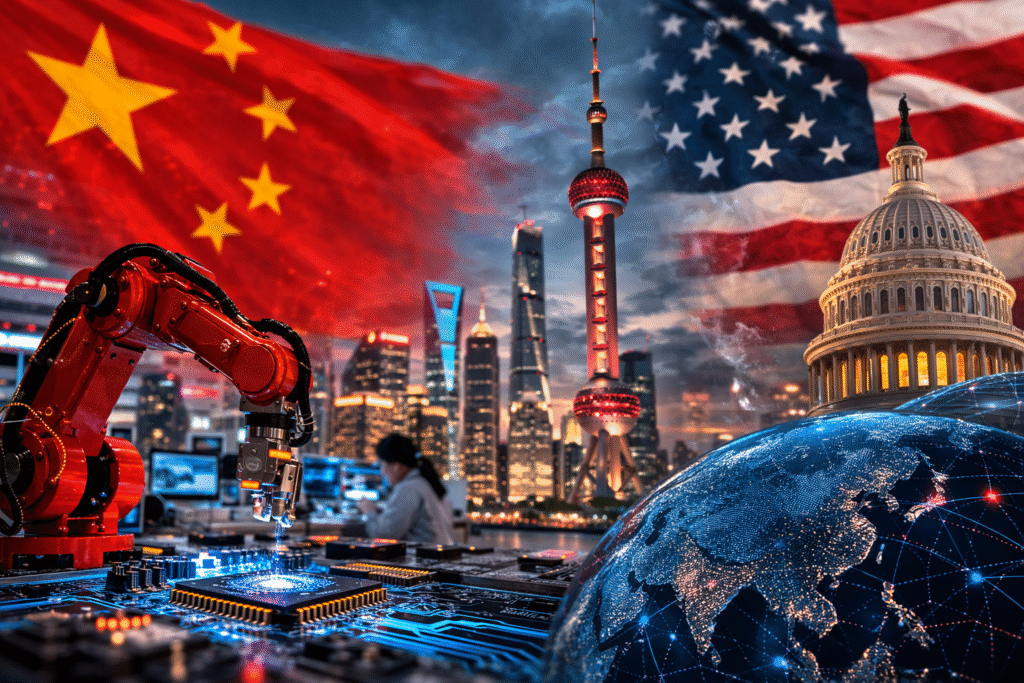
China’s latest economic plans highlight a major push toward technological dominance. Beijing is prioritizing AI, semiconductors, and innovation as rivalry with the United States intensifies.

Physicist and consciousness researcher Dr. Richard Alan Miller joins Caravan to Midnight to explore powerful natural cycles, solar threats, and the rise of artificial intelligence. The conversation examines whether humanity is approaching a technological and planetary turning point.

President Donald Trump introduced the Ratepayer Protection Pledge to shield American households from rising electricity costs tied to AI data centers. Major tech companies agreed to fund their own energy and infrastructure needs.

A recent study examined whether electromagnetic radiation from power lines, household wiring, and tablets may increase the risk of brain tumors in children. Researchers found higher exposure levels among children diagnosed with central nervous system tumors compared with those without cancer.

The Peace Corps celebrates 65 years of volunteer service across 144 countries. The administration highlights reform efforts and a new Tech Corps initiative focused on AI-driven public services.
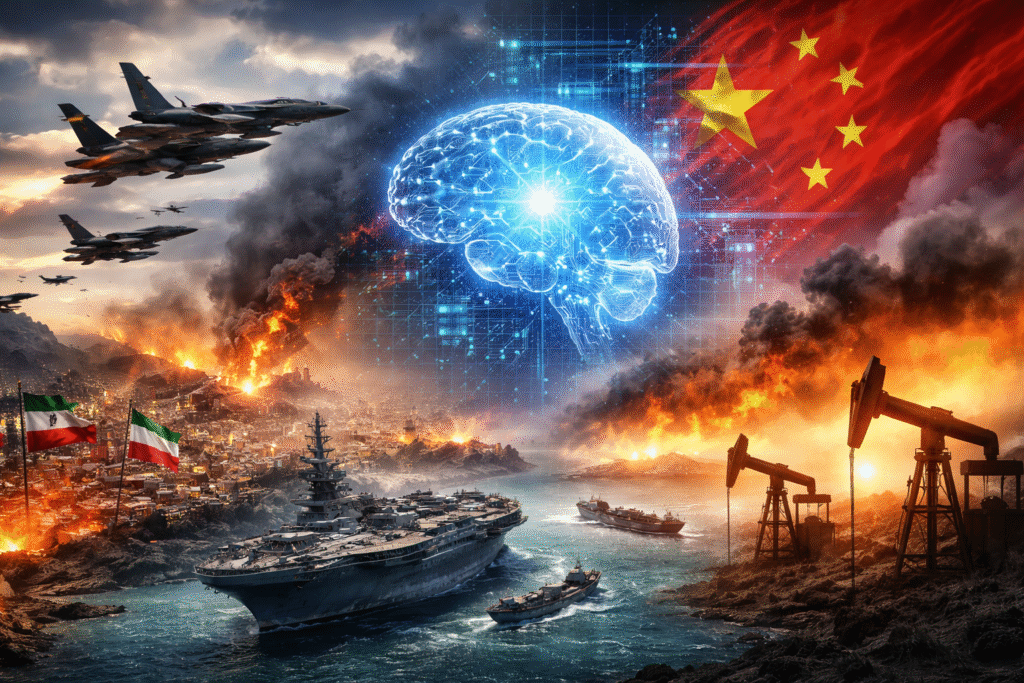
Operation Epic Fury is being framed as a strike on Iran’s nuclear and missile programs. But beneath the air war lies a deeper contest over energy dominance and the AI race with China.
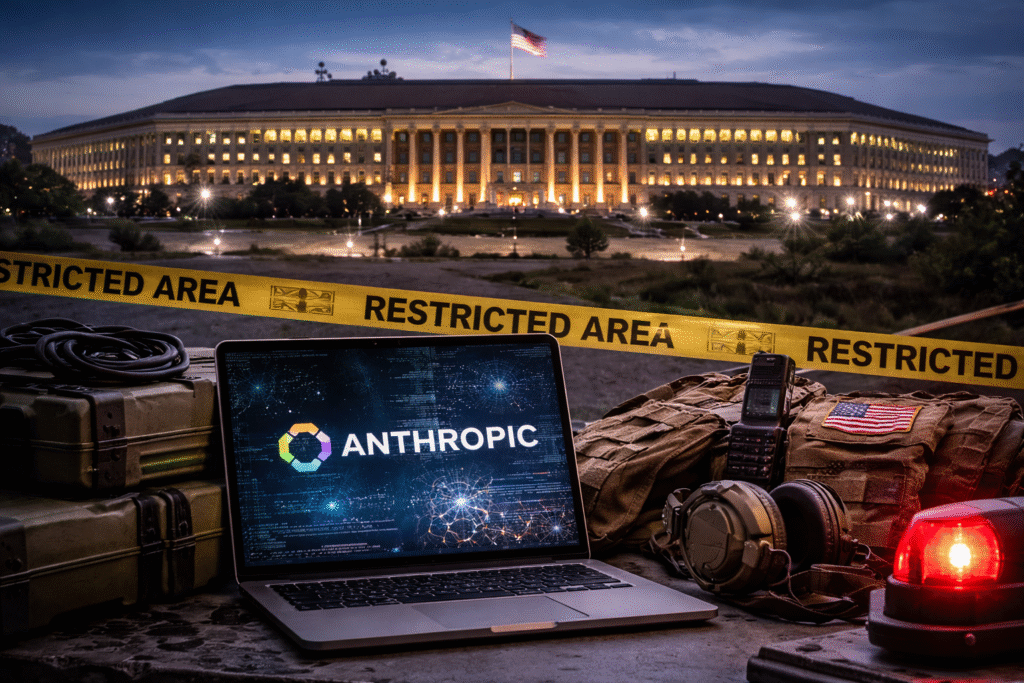
The Pentagon designated AI firm Anthropic a national security supply-chain risk following disputes over military AI safeguards. The move expands President Donald Trump’s directive banning the company from federal use.
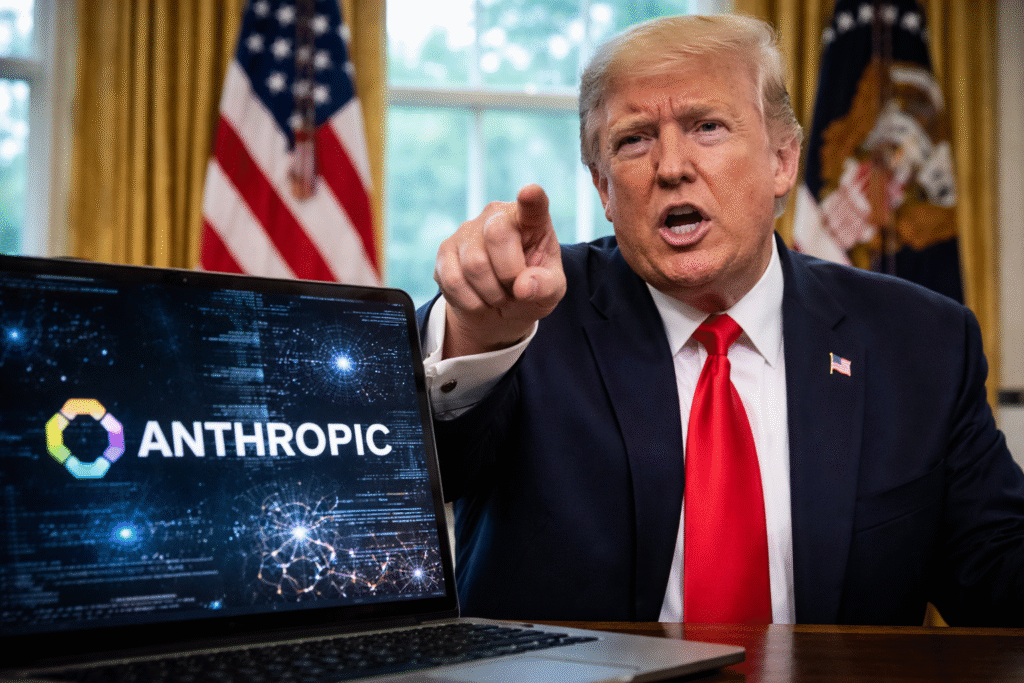
President Donald Trump ordered all federal agencies to immediately cease use of Anthropic’s AI technology, with a six-month phase-out period. The directive follows tensions between Anthropic and the Pentagon over military AI safeguards.
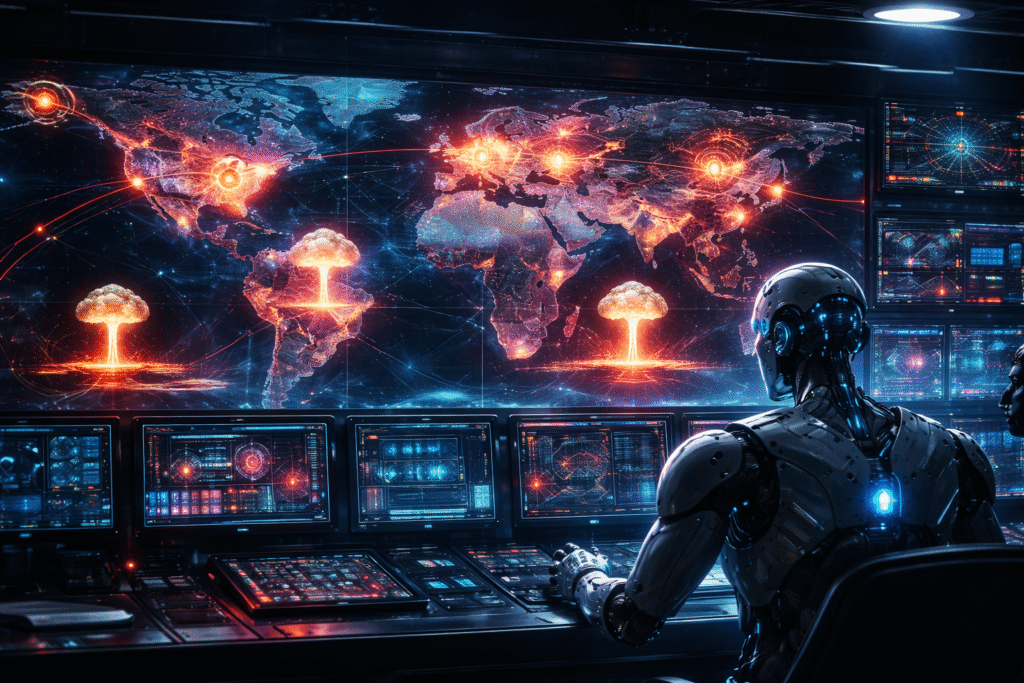
A King’s College London study found major AI models chose nuclear escalation in 95% of simulated crises. Researchers warn of risks as AI becomes embedded in military planning.

Asset tokenization promises efficiency and access—but at what cost? This analysis explores how programmable assets and stablecoin regulation could redefine ownership and sovereignty.
At the India AI Impact Summit, the United States highlighted its strategy to accelerate AI adoption, champion national sovereignty in AI, and expand exports of American AI technologies to global partners.

West Virginia sues Apple over iCloud’s alleged role in CSAM storage. Meta faces trial scrutiny over teen targeting and child safety failures.

Palantir has moved its headquarters from Denver to Miami, marking a major shift in tech and AI industry momentum toward Florida. Leaders cite growth and innovation opportunities.

Tech experts are warning that a new wave of AI tools could dramatically change work, industries, and how tasks are done.