

Article explores claims linking AI, religion, and global control theories, raising concerns about surveillance, governance, and faith.
Posts published in “AI”

A new AI chatbot modeled as Jesus is drawing strong reactions online for charging users to interact. The controversy highlights growing concerns about technology intersecting with faith.

Panther, a humanoid robot by UniX AI, is entering real household deployment with multi-task capabilities. It can perform daily routines from cooking to cleaning autonomously.

The EU insists its digital identity wallet will be optional, but policy signals from Germany suggest otherwise. The debate highlights growing concerns over privacy and digital control.

Meta’s proposed facial recognition feature for smart glasses has triggered widespread concern among privacy advocates. Critics warn of serious risks tied to surveillance and data misuse.

Anthropic says its new Claude Mythos AI is too dangerous for public release due to its ability to exploit vulnerabilities. The model is now restricted to select partners and government review.
Iran Threatens “Complete And Utter Annihilation” Of OpenAI’s $30BN Stargate Data Center In Abu Dhabi

Iran Threatens “Complete And Utter Annihilation” Of OpenAI’s $30BN Stargate Data Center In Abu Dhabi
Iran has issued a warning targeting a major AI data center in Abu Dhabi amid rising geopolitical tensions. The threat signals a shift toward targeting global tech infrastructure.

AI-powered camera networks are expanding across U.S. cities, fueling debate over crime prevention, privacy risks, and government surveillance.

A deep dive into hidden patterns shaping health, conflict, and public narratives. The program challenges surface-level reporting and explores what may lie beneath unfolding global events.

AI companions are increasingly filling emotional roles once held by real people. The trend raises questions about connection, dependency, and social change.

The Iran conflict has disrupted a major portion of the global helium supply, critical for AI chip production. The shortage is exposing deeper vulnerabilities in the tech industry’s supply chain.

A federal judge has blocked the Pentagon from labeling Anthropic a supply chain risk. The ruling challenges actions tied to President Donald Trump’s directive.

AI-powered noise cameras are now issuing tickets to drivers for loud exhaust systems across major cities. The growing technology raises concerns over enforcement, privacy, and automated surveillance.
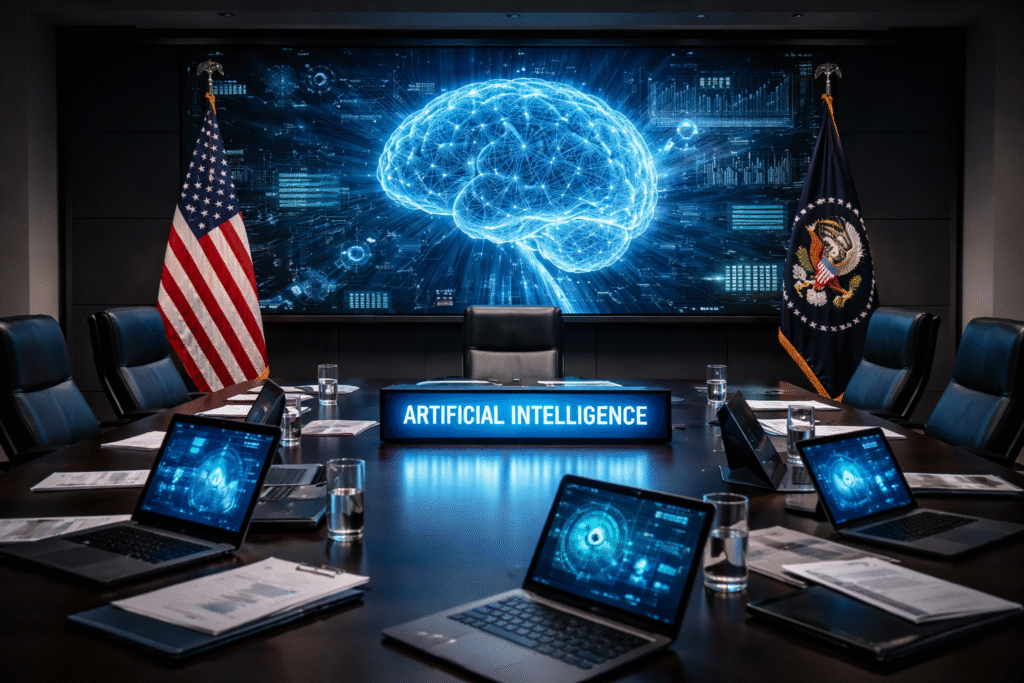
President Donald Trump has appointed leading tech executives to a new advisory panel on artificial intelligence policy. The group will help guide decisions on regulation and emerging technologies.

A farming family turned down a multimillion-dollar offer to convert their land into a data center. They say protecting farmland and community matters more than money.
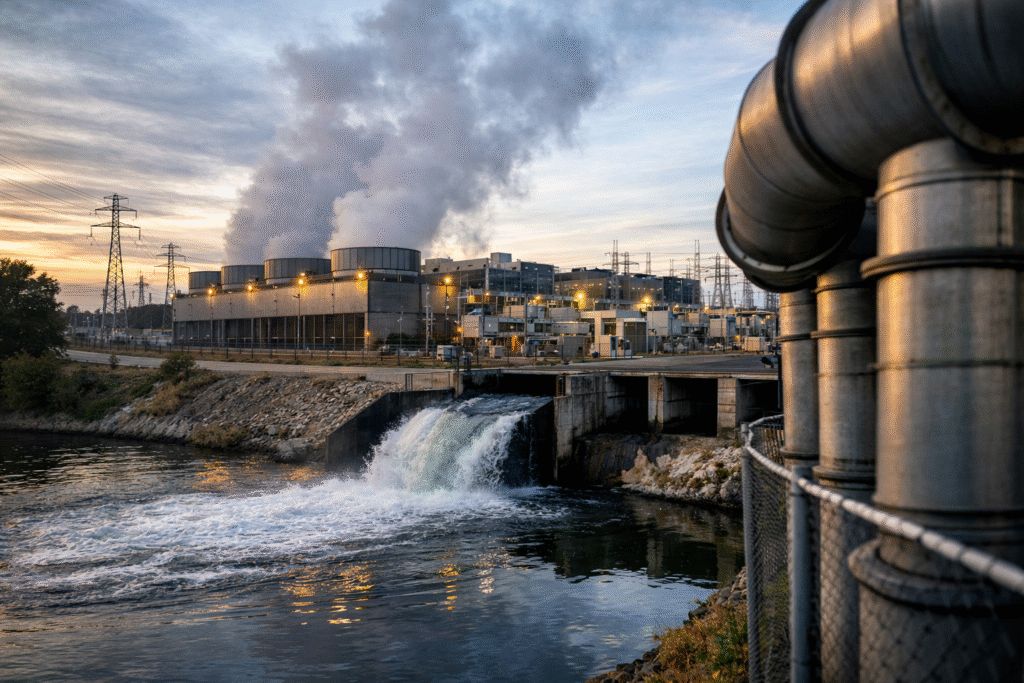
Data centers rely heavily on water to cool servers, yet most companies disclose little about their usage. This lack of transparency raises environmental and sustainability concerns.

A restaurant service robot went viral after striking a table and breaking into a dance routine. Staff struggled to regain control as the unusual scene unfolded.

The White House AI framework proposes age verification measures to protect children online. Critics warn the approach could expand data collection and surveillance risks.