

AI companions are increasingly filling emotional roles once held by real people. The trend raises questions about connection, dependency, and social change.
Posts published in “Artificial Intelligence”

A farming family turned down a multimillion-dollar offer to convert their land into a data center. They say protecting farmland and community matters more than money.

Data centers rely heavily on water to cool servers, yet most companies disclose little about their usage. This lack of transparency raises environmental and sustainability concerns.

The White House AI framework proposes age verification measures to protect children online. Critics warn the approach could expand data collection and surveillance risks.

A pro-family coalition has formed to address growing risks AI poses to children. The group aims to push stronger legal protections and counter Big Tech influence.

Tonight’s Intelligence Briefing explores how narratives, digital systems, and technocratic frameworks are shaping modern decision-making and power structures. It reveals how influence, control, and governance increasingly operate through unseen mechanisms.

Rumors about Benjamin Netanyahu’s death have circulated widely online, sparking confusion and debate. The claims highlight how quickly misinformation can spread across digital platforms.

A deep dive into how artificial intelligence and modern systems may be reshaping human thought, creativity, and perception. The discussion questions whether reliance on technology is quietly redefining what it means to think.

A sudden resignation sparks deeper questions about narrative control and unseen power structures. This episode explores technocracy, AI influence, and the shaping of perception itself.

New videos of Netanyahu have been released to counter viral claims that he is dead. The footage has instead fueled further debate over AI and misinformation.

Researchers trained lab-grown human brain cells connected to a chip to play the classic video game Doom. The breakthrough demonstrates real-time adaptive learning in hybrid biological computing systems.

A recent Copilot update may cause web links to open inside the assistant rather than the user’s chosen browser. Critics say the change could bypass default browser settings and limit user control.
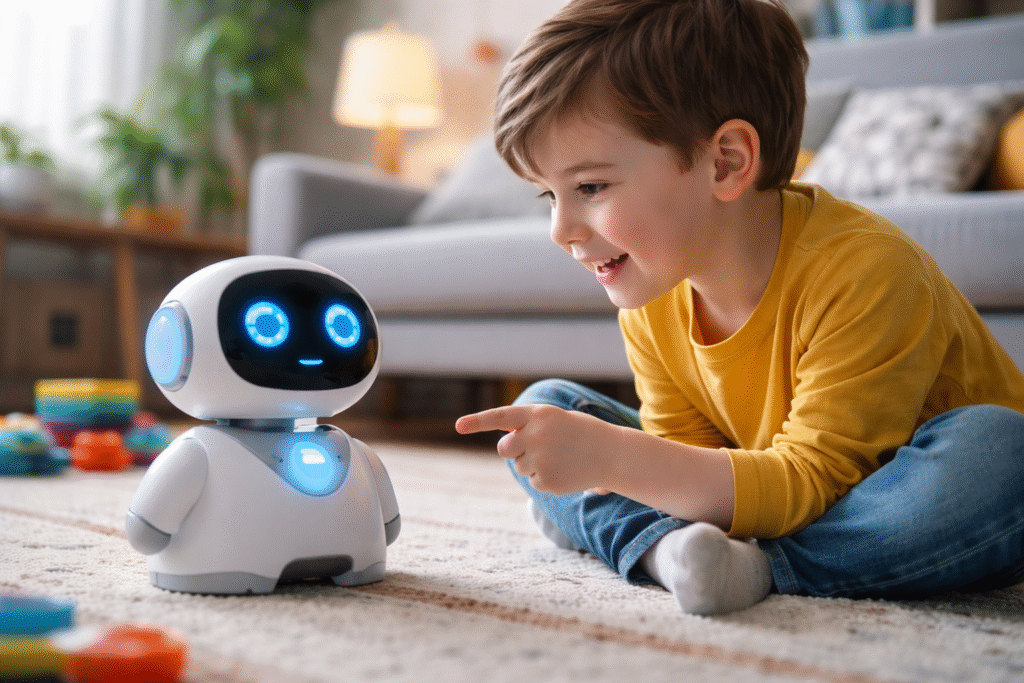
A new report warns that powerful artificial-intelligence systems originally designed for adults are quietly being integrated into toys marketed to children. Researchers say the technology could expose kids to privacy risks, behavioral manipulation, and extensive data collection.

President Donald Trump introduced the Ratepayer Protection Pledge to shield American households from rising electricity costs tied to AI data centers. Major tech companies agreed to fund their own energy and infrastructure needs.

A recent study examined whether electromagnetic radiation from power lines, household wiring, and tablets may increase the risk of brain tumors in children. Researchers found higher exposure levels among children diagnosed with central nervous system tumors compared with those without cancer.
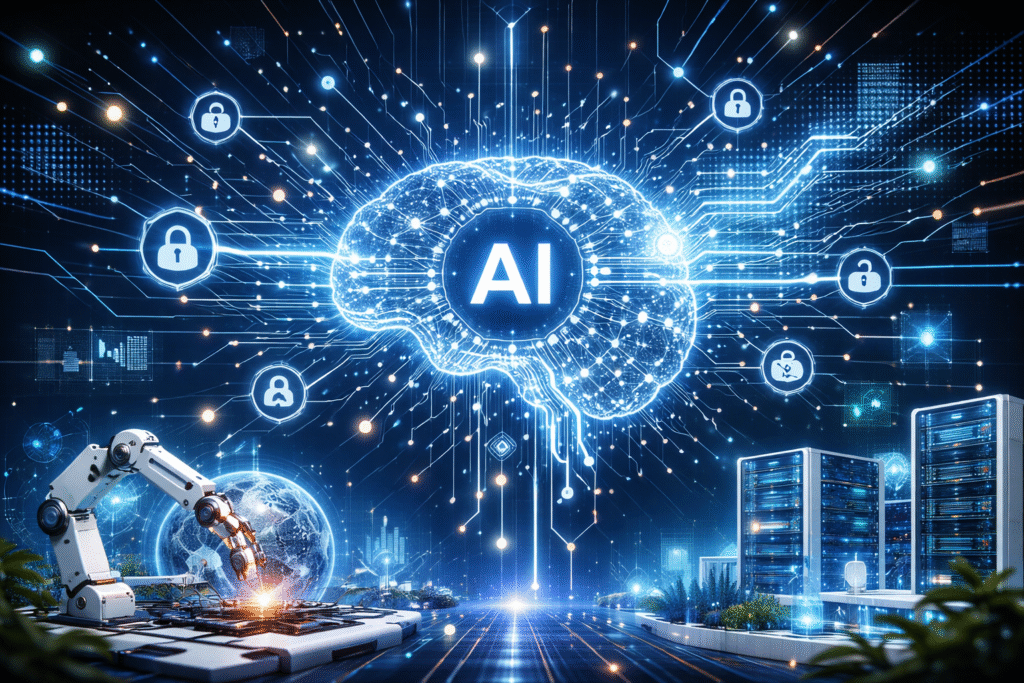
At the India AI Impact Summit, the United States highlighted its strategy to accelerate AI adoption, champion national sovereignty in AI, and expand exports of American AI technologies to global partners.

An AI safety researcher at Anthropic has raised internal concerns about advanced model risks and oversight. The warning highlights governance and deployment tensions.

Former Google software engineer Linwei “Leon” Ding was convicted by a federal jury in San Francisco on economic espionage and trade secret theft charges for stealing thousands of pages of confidential AI technology.