

Russia has launched the first satellites of its Starlink rival, marking a major step toward independent space-based internet. The project aims to expand connectivity across remote regions and boost national infrastructure.
Posts published in “Astronomy”
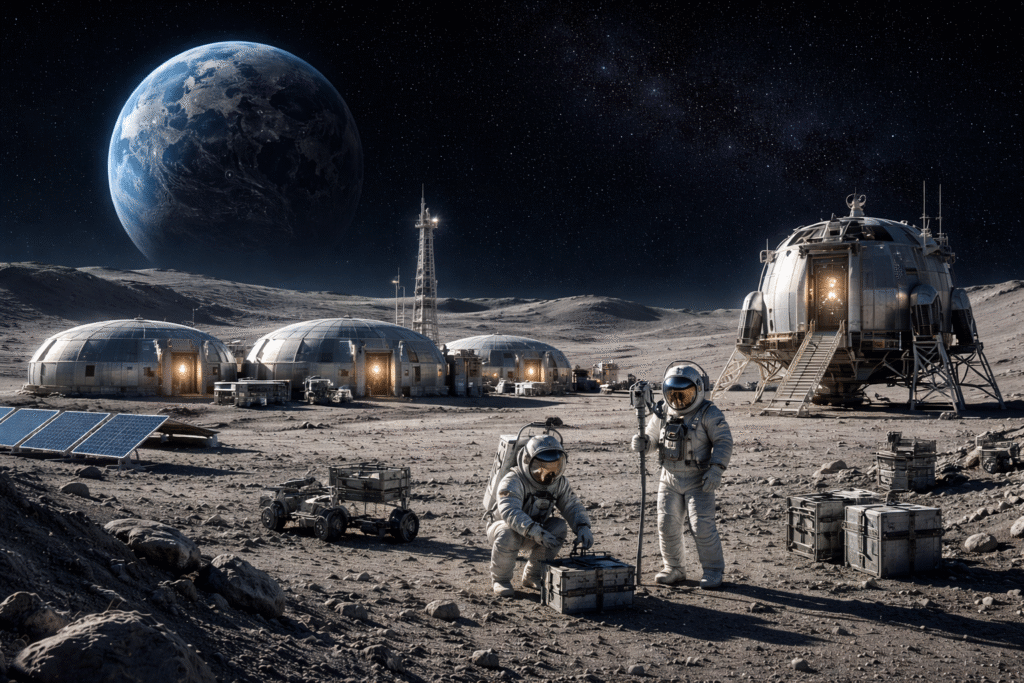
NASA unveils plans to transform its Gateway program into a permanent moon base, aiming for long-term human presence and renewed leadership in space exploration.
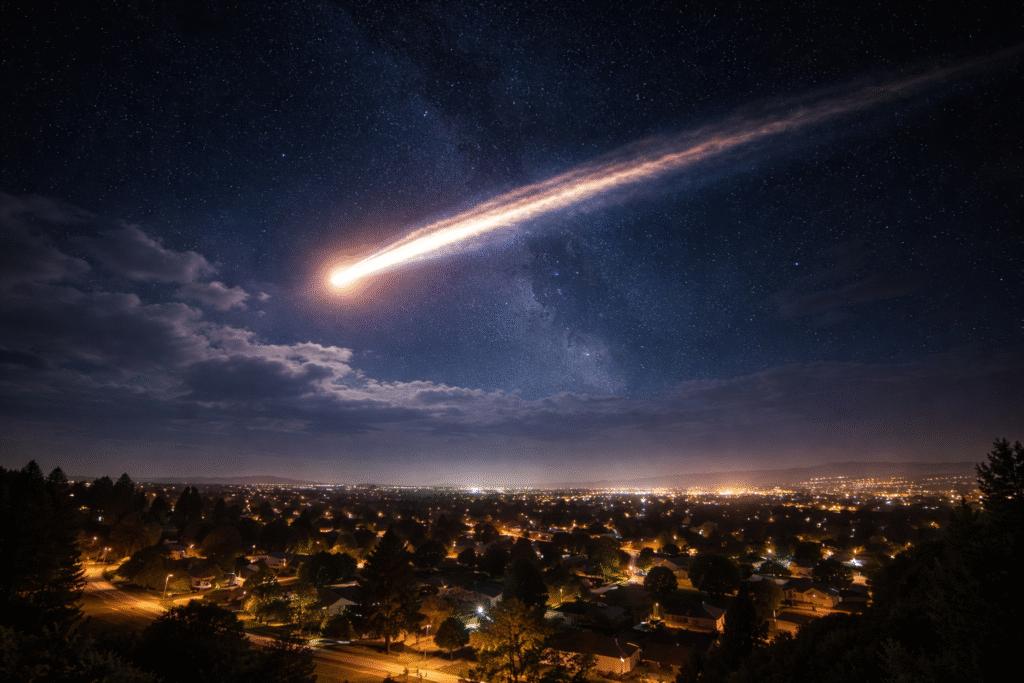
Dozens of bright objects were reported across U.S. skies, raising alarm online. Experts say most sightings are likely linked to rocket launches and normal space activity.
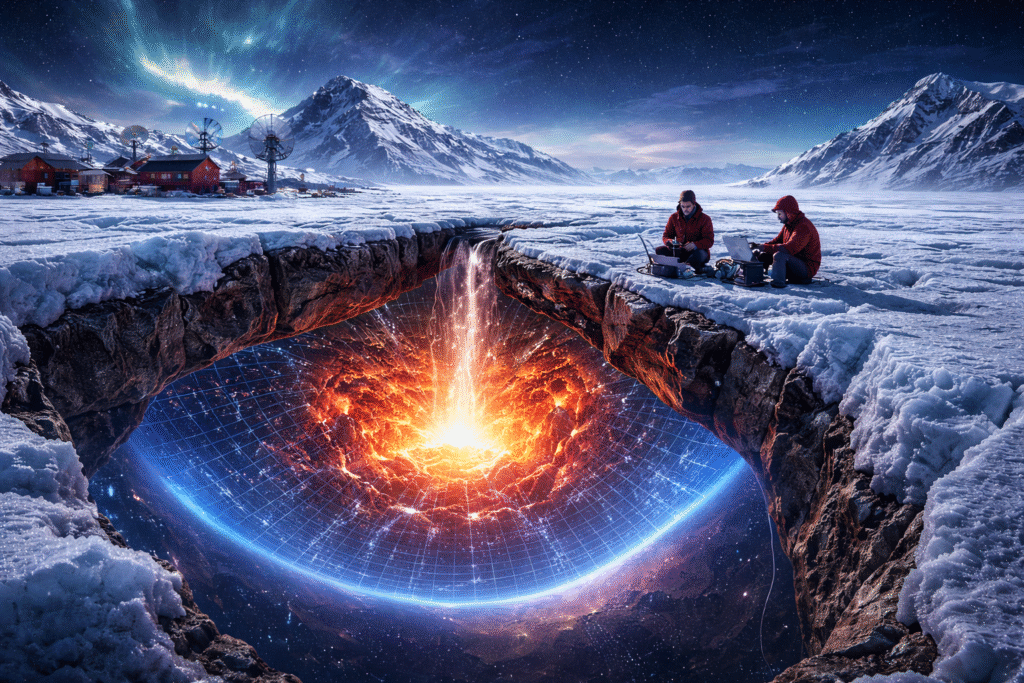
Researchers have mapped a massive gravity anomaly beneath Antarctica, using earthquake data to reconstruct the structure deep beneath the continent. The discovery is helping scientists better understand Earth’s geology and the evolution of Antarctic ice sheets.
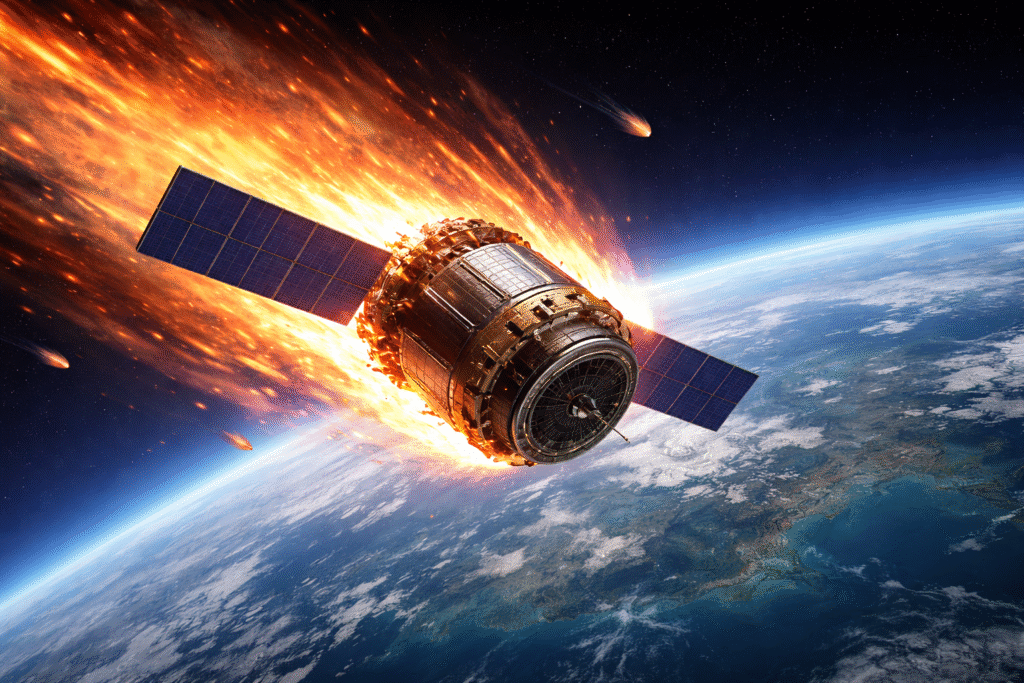
NASA’s Van Allen Probe A, a 1,300-pound research satellite launched in 2012, is falling back to Earth after completing its mission studying radiation belts. Most of the spacecraft will burn up during reentry, though some debris could survive.

Physicist and consciousness researcher Dr. Richard Alan Miller joins Caravan to Midnight to explore powerful natural cycles, solar threats, and the rise of artificial intelligence. The conversation examines whether humanity is approaching a technological and planetary turning point.
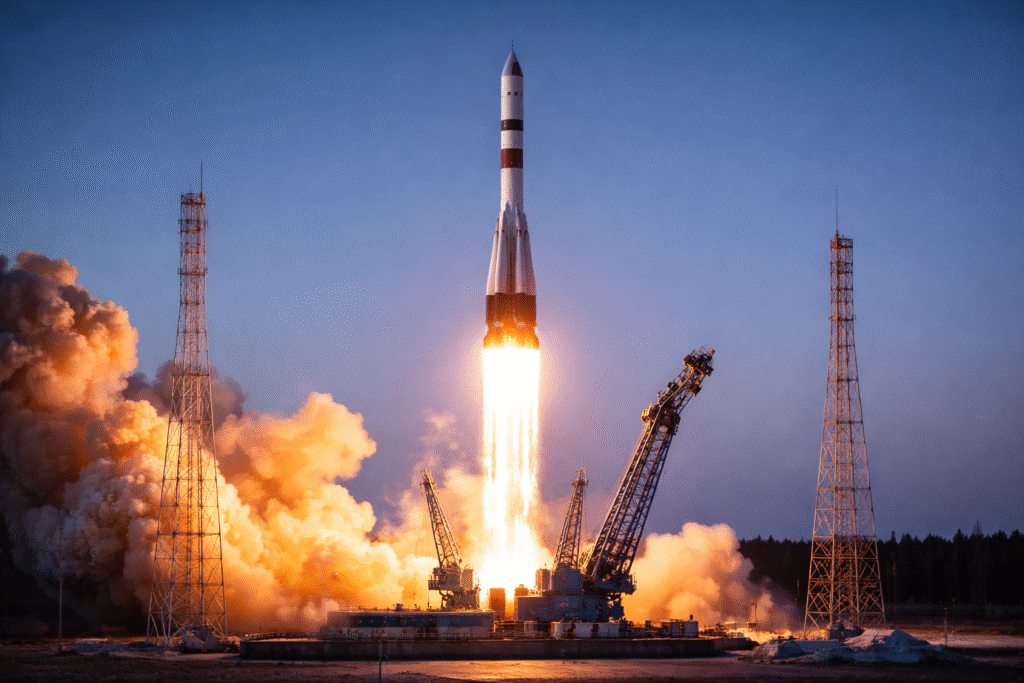
A Russian Soyuz-2.1b carrier rocket lifted off from the Plesetsk Cosmodrome and successfully injected military satellites for the Russian Defense Ministry into their planned orbits. The Defense Ministry reported the launch and orbit insertion were completed in normal mode.
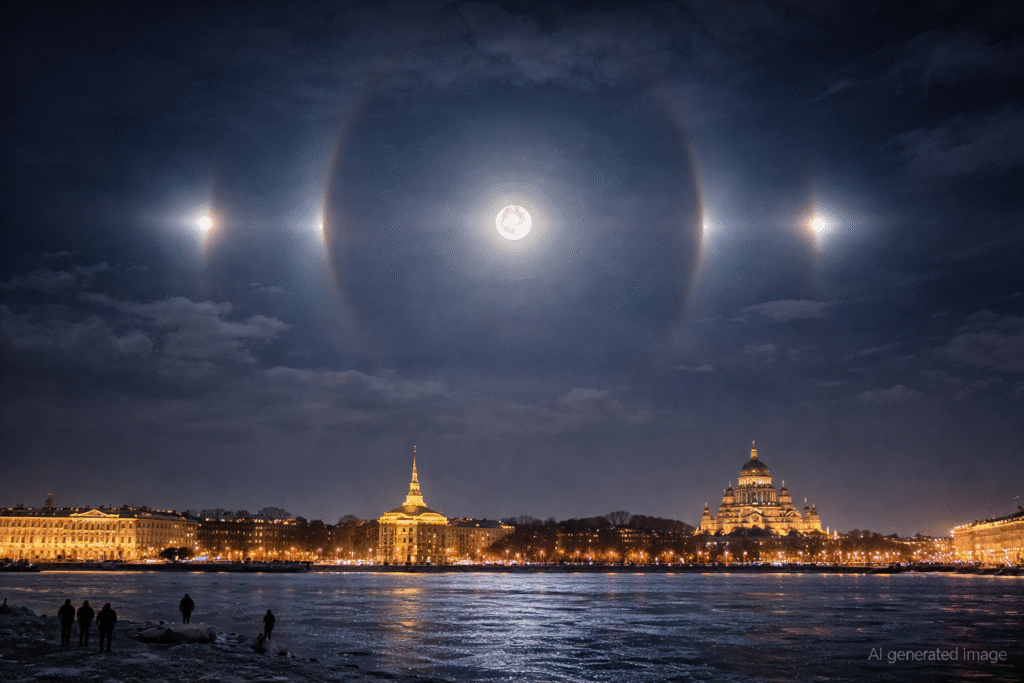
Skywatchers in St. Petersburg, Russia, reported seeing “four moons” in the night sky — a rare atmospheric optical illusion caused by moonlight refracting through ice crystals.
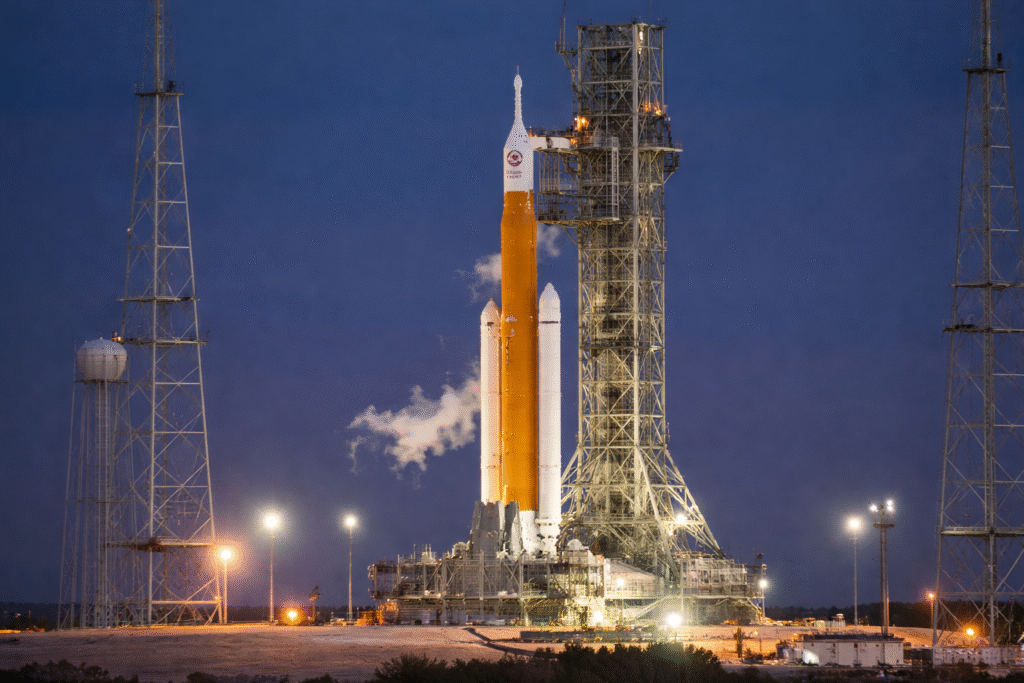
NASA’s Artemis II mission completed a wet dress rehearsal as teams worked through hydrogen leak issues and simulated crew operations. A successful test could clear the way for a lunar launch as early as this weekend.

A new GAO report warns the Pentagon may fail to deliver a critical missile-warning satellite system on schedule. The watchdog cites overstated readiness, unclear warfighter requirements, and unknown life-cycle costs.
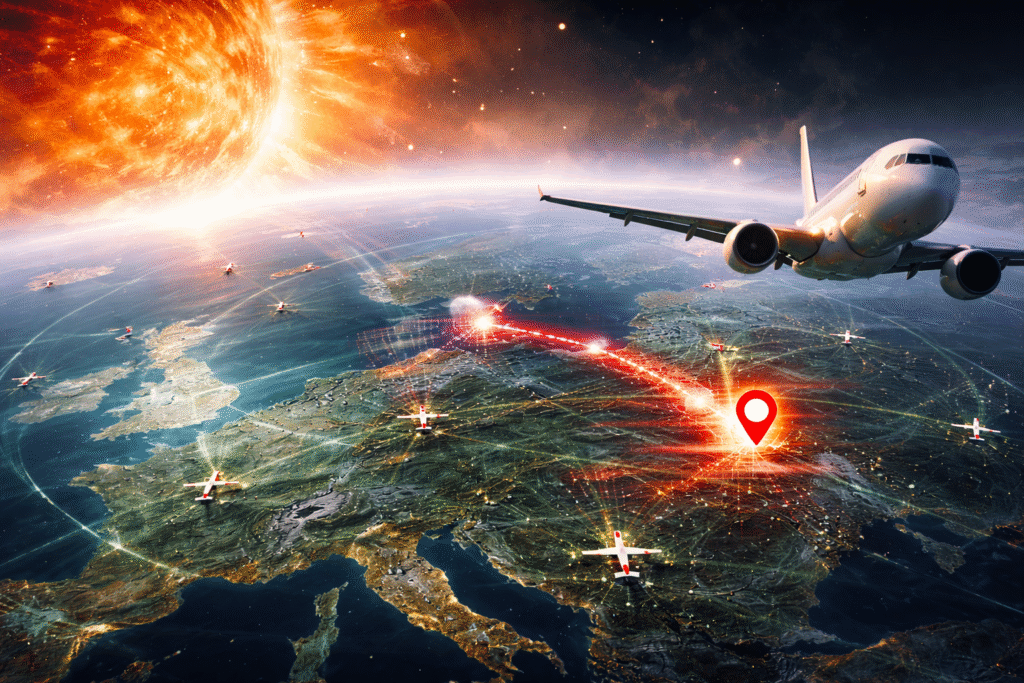
A massive solar storm in May 2024 caused severe GPS disruptions across Europe, making aircraft appear to “teleport” on tracking systems. While planes remained safe, the incident exposed vulnerabilities in the digital systems aviation depends on.
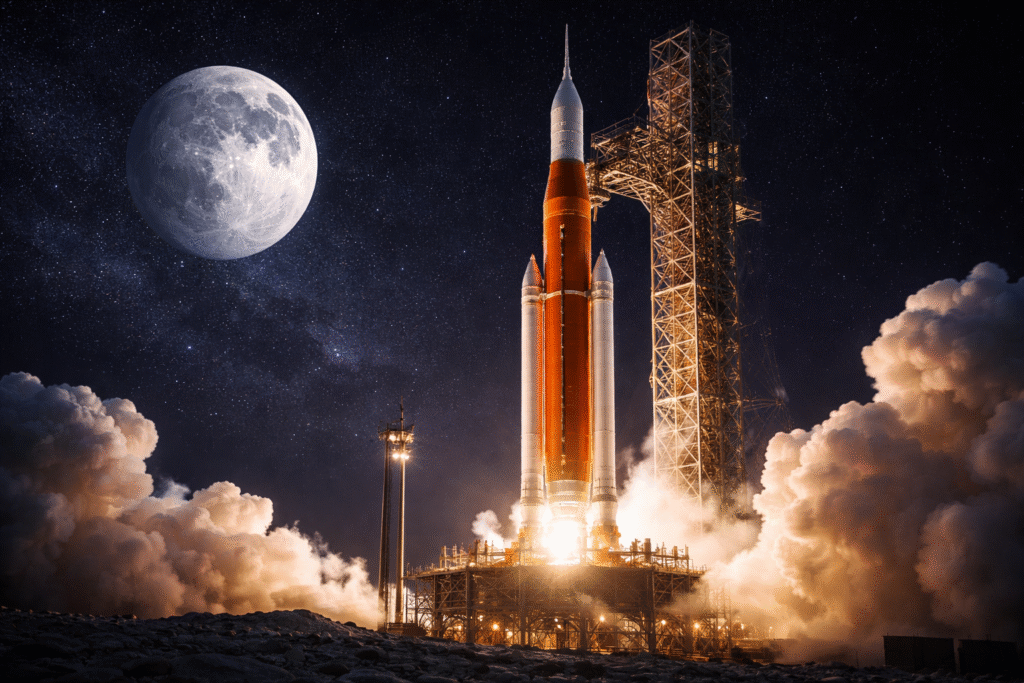
By Noah NASA has announced it plans to return to the Moon in 2026: New dawn, new day, new year. Onward to the Moon in 2026! pic.twitter.com/uU6N7eWPCM…

A G2 geomagnetic storm could bring Northern Lights visibility to parts of 20 U.S. states Friday night. Solar activity and moonlight may impact viewing conditions.

As NASA and international partners conduct the largest planetary defense drill in history, Scripture offers a sobering lens on cosmic catastrophe and divine timing. The exercise highlights humanity’s technological limits while echoing biblical warnings written long before modern space science.
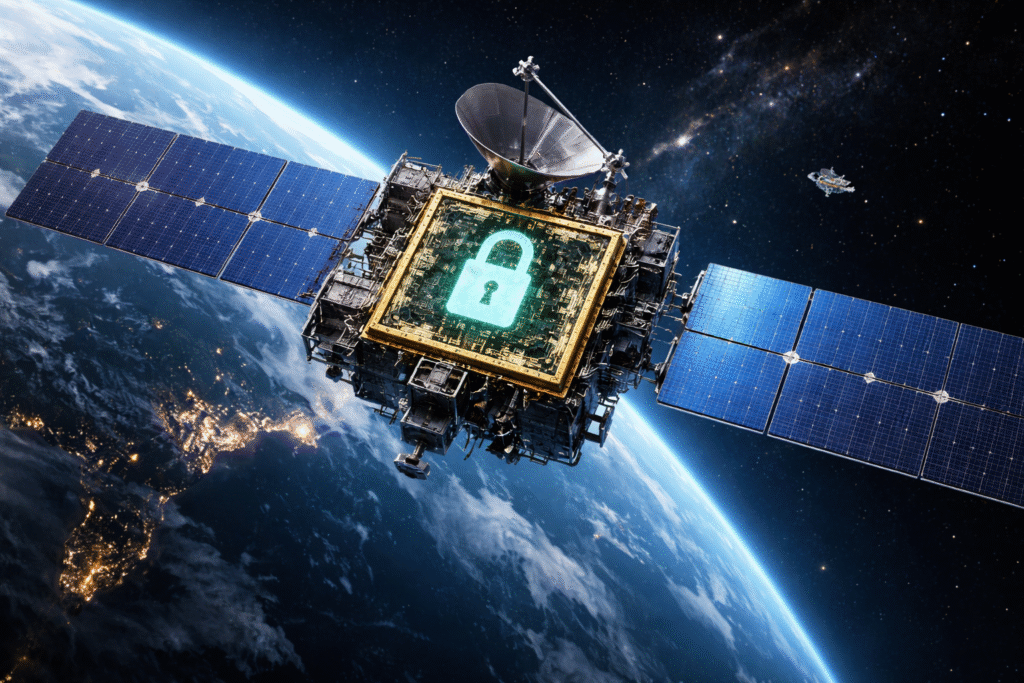
Leonardo DRS has successfully completed the first on-orbit test of its crypto-enabled XCM3-Space software-defined radio, demonstrating secure satellite data transport for U.S. military users. The system is designed to counter cyber and electronic warfare threats while supporting future missile defense and space-based operations.

The US-based company, Aetherflux, announced on Tuesday that it plans to launch its first data center satellite in early 2027 — the first piece of a larger constellation of satellites it’s calling the “Galactic Brain.”

By University of Colorado at Boulder A team led by the University of Colorado Boulder has discovered an invisible shield some 7,200 miles above Earth…

by Smoking Mirrors God Poet Transmitting……. It should be very clear now that certain easily identifiable parallels exist between certain malefic dynamics. The cabal behind the…