

Journalist Jan Jekielek joins John B. Wells to examine the strategic partnership between China and Iran and its impact on global power dynamics. The discussion explores energy ties, geopolitical strategy, and how shifts inside Iran could affect China’s position and broader international conflicts.
Posts published in “Energy”
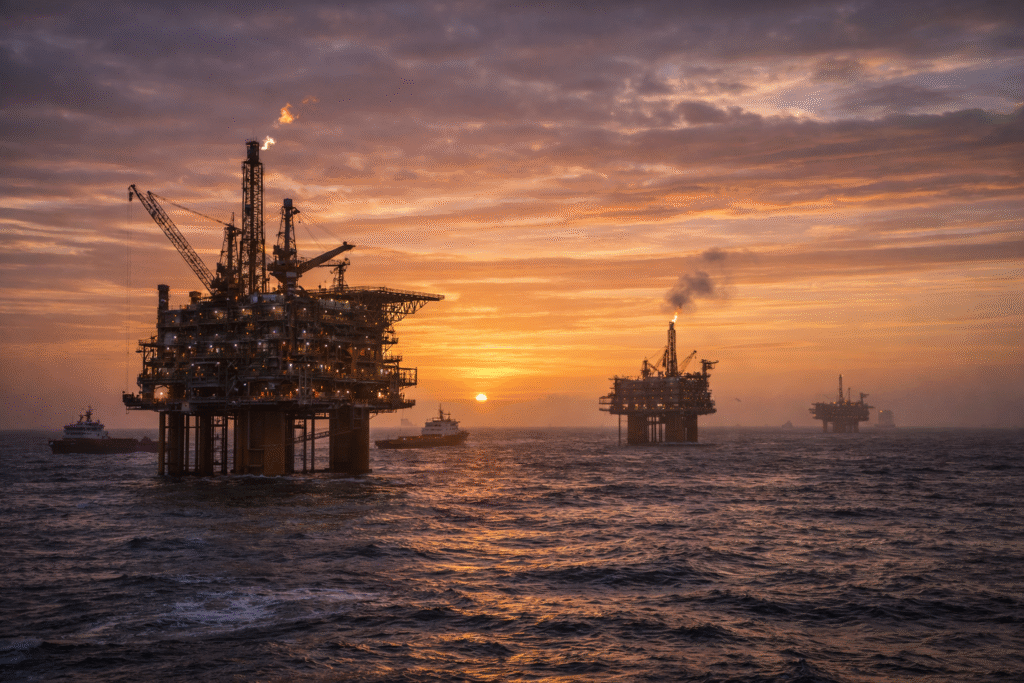
Britain is reconsidering its 78% tax rate on North Sea oil and gas production after slower investment and industry concerns. The move could reshape future energy investment and production in the region.
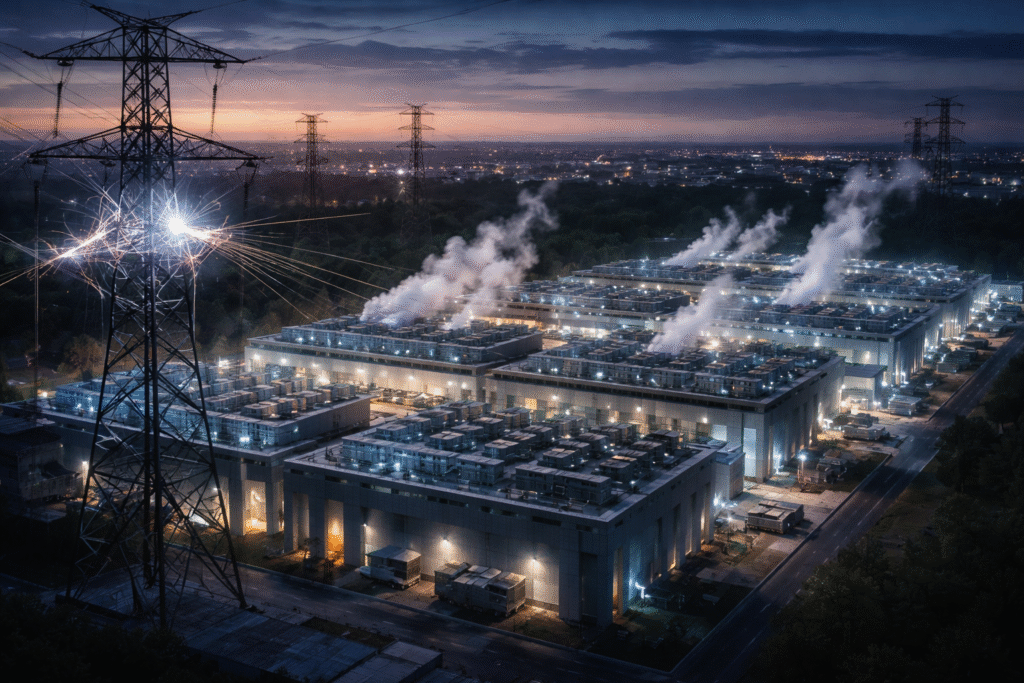
A cluster of Virginia data centers abruptly disconnected from the grid, forcing operators into emergency stabilization mode. The incident highlights growing risks to national energy resilience as digital infrastructure expands.
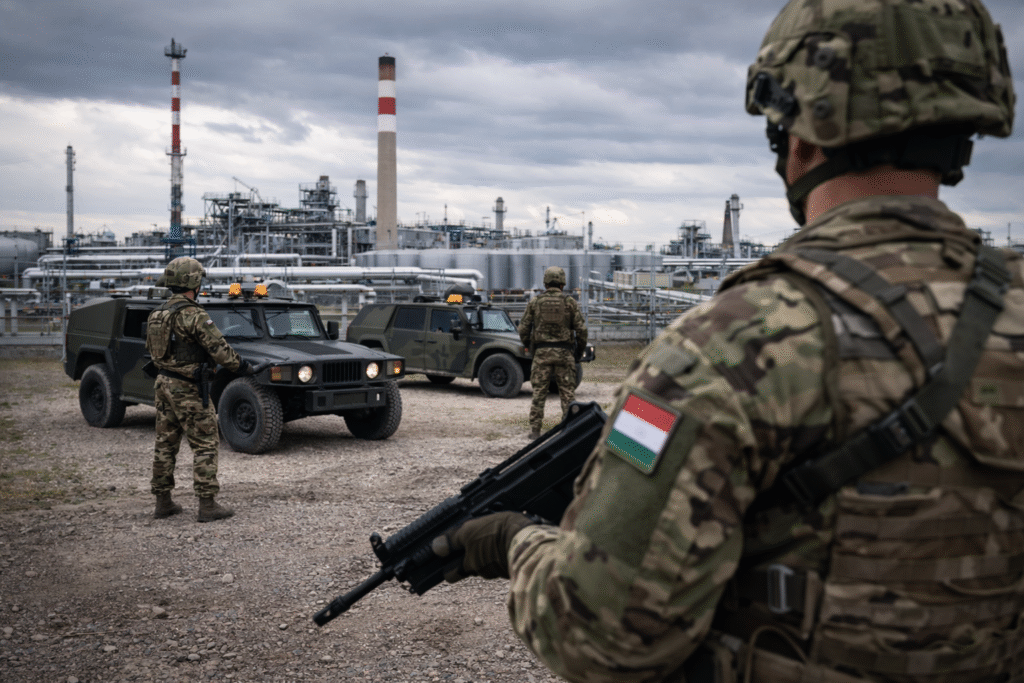
Hungarian Prime Minister Viktor Orban has deployed soldiers to secure key energy facilities after alleging Ukraine may target Hungary’s infrastructure.
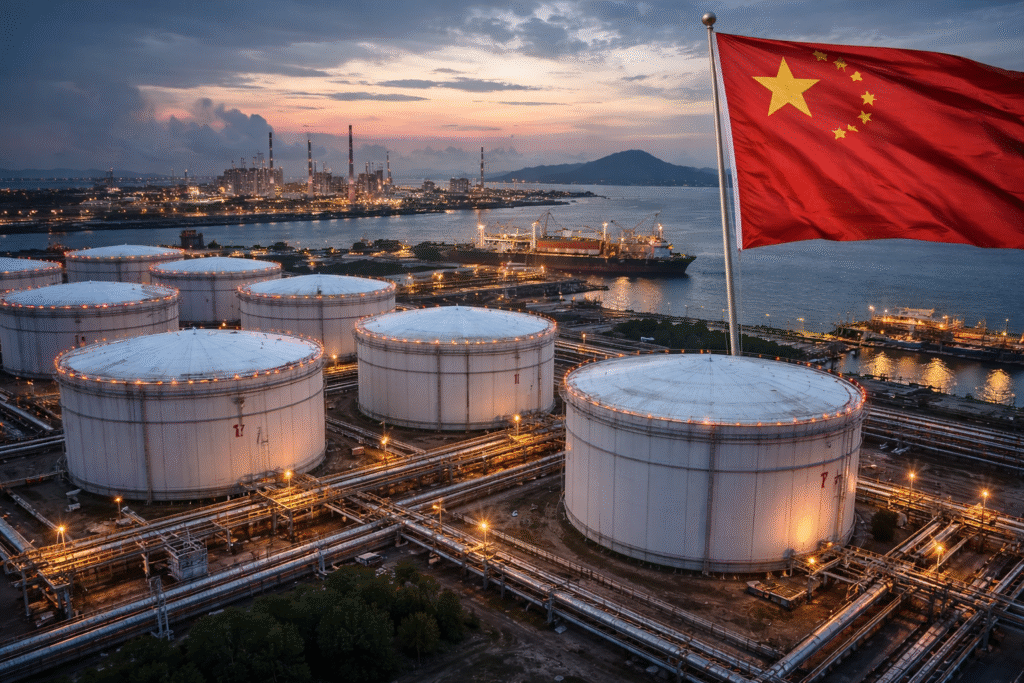
China has sharply increased crude oil stockpiles, prompting debate over whether this buildup is purely for energy security or signals preparation for future conflict. The strategy also affects global oil markets.
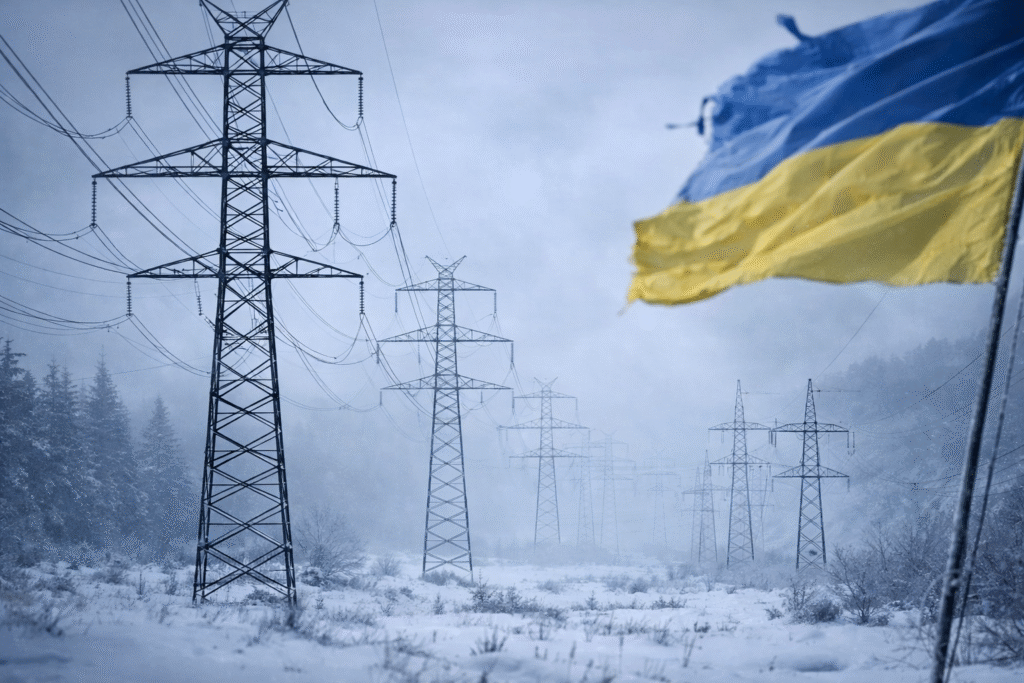
Slovakia has stopped emergency electricity exports to Ukraine after Kyiv failed to restore Russian oil transit. The decision deepens a diplomatic and energy dispute.
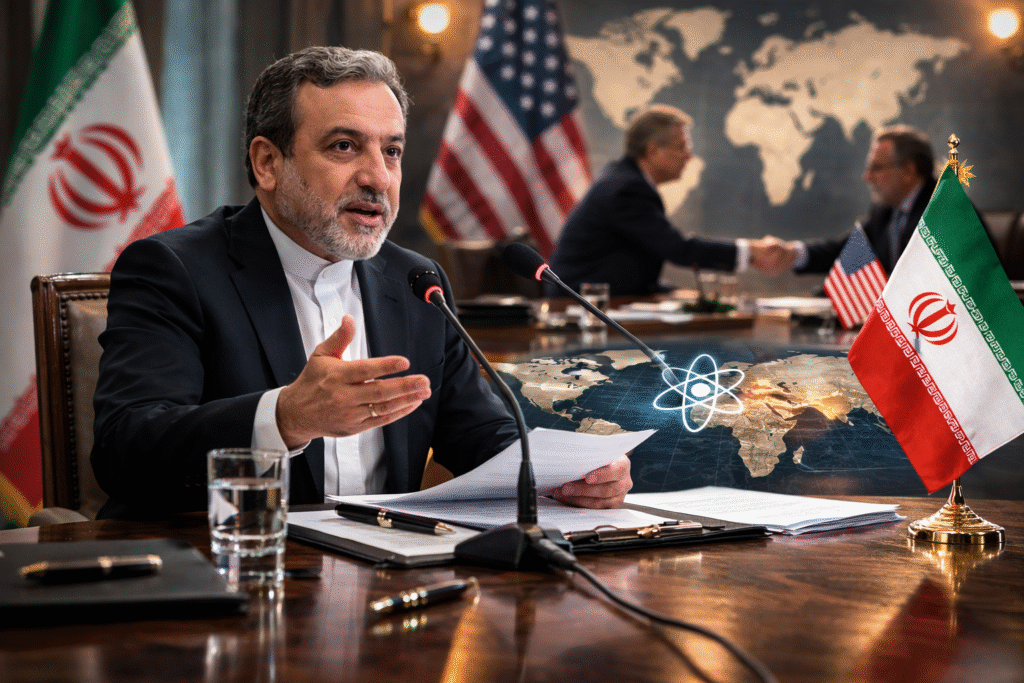
Iran’s foreign minister says there is still a strong possibility of reaching a new agreement with the United States. Diplomatic efforts continue as both sides weigh terms for a potential deal.
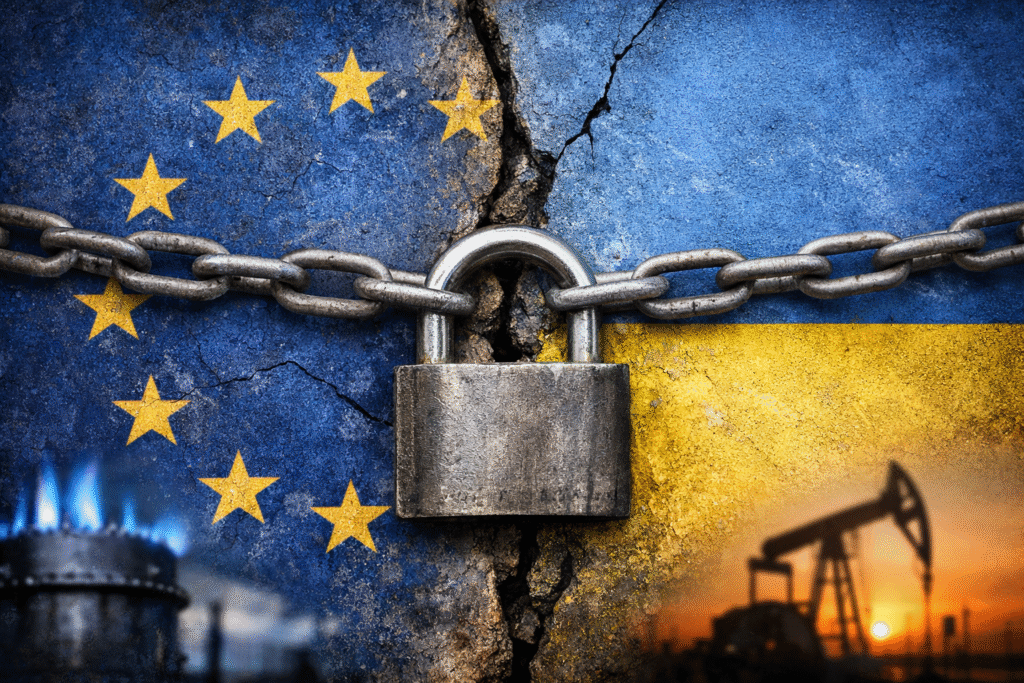
Hungary has blocked a proposed €90 billion EU loan for Ukraine amid an escalating energy dispute. The move deepens divisions within the bloc over funding and energy policy.
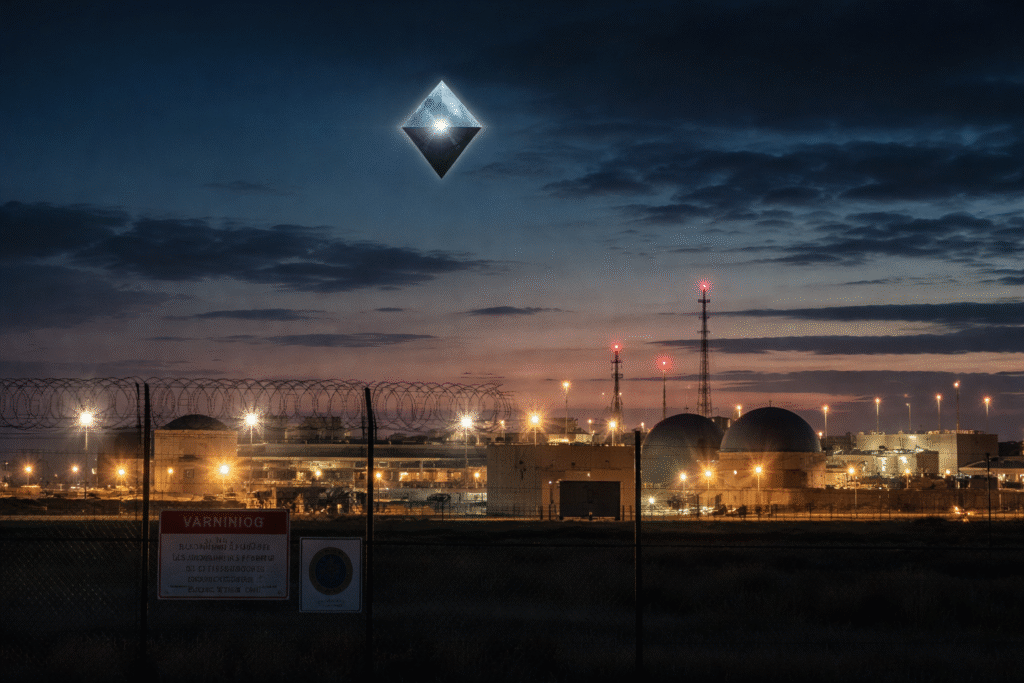
A newly released FOIA image confirms a 2015 UAP incursion at the Pantex nuclear weapons facility in Texas. Additional unexplained incidents at DOE energy sites raise renewed national security concerns.
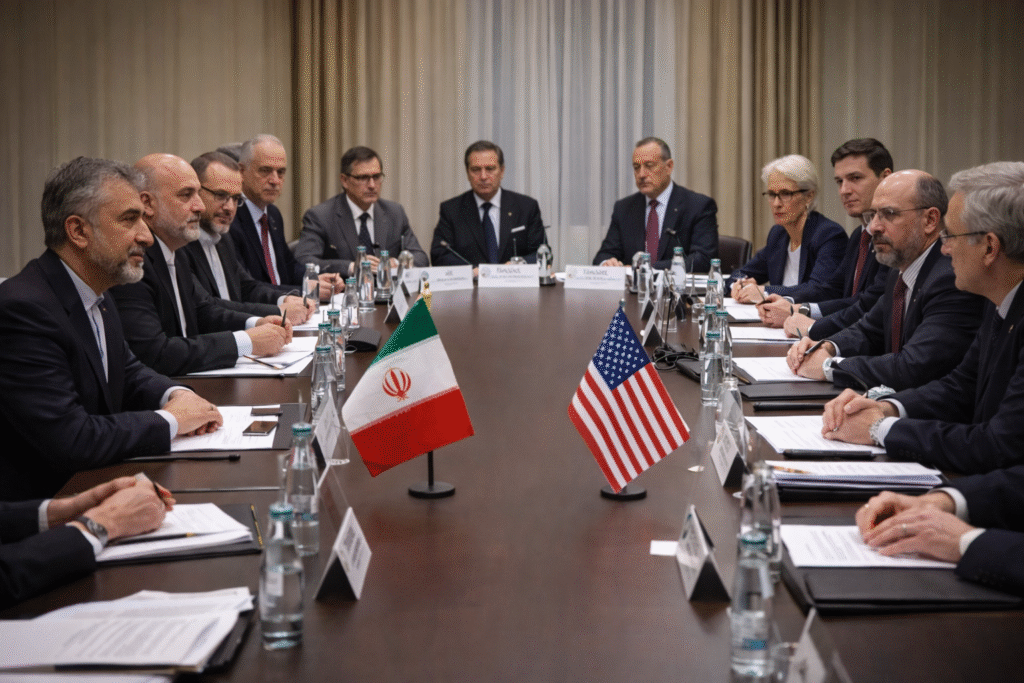
In Switzerland, Iran and the United States concluded a round of indirect nuclear talks with some progress on “guiding principles,” though major gaps remain ahead of future proposals. The talks unfold amid military activities in the Strait of Hormuz and regional tensions.
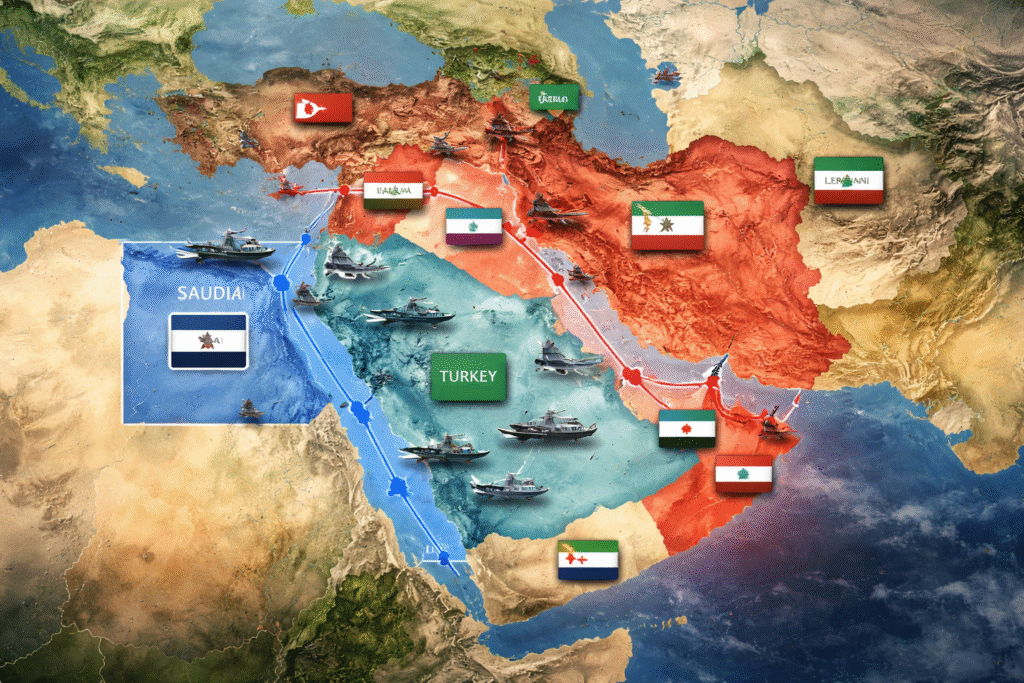
Competing blocs across the Middle East are reshaping alliances and power balances. These rivalries are driving new risks and strategic uncertainty.
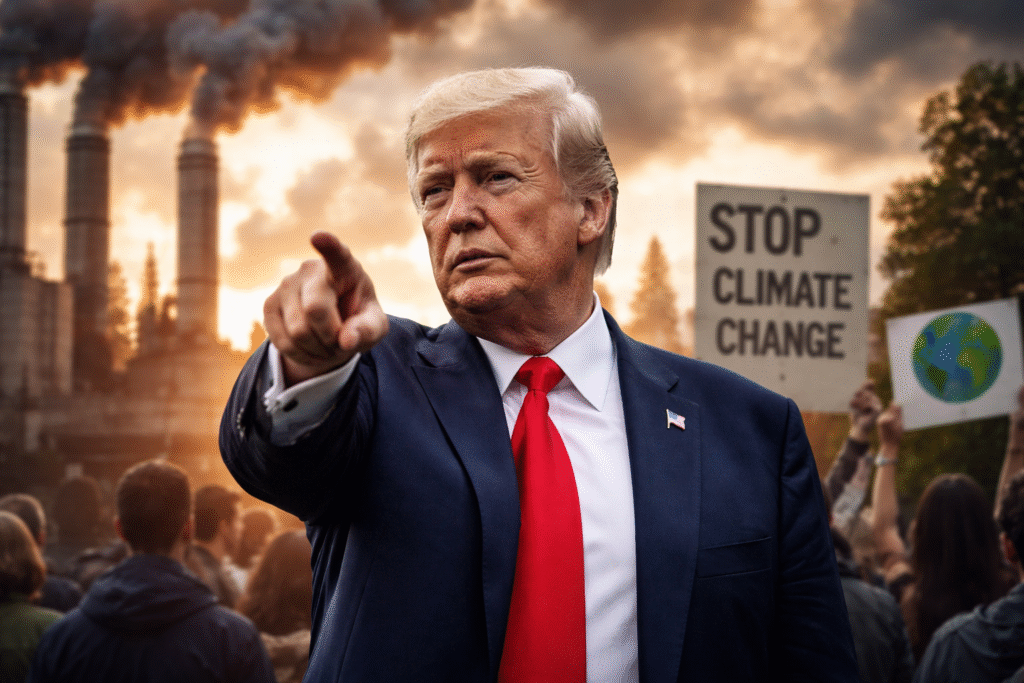
Trump’s push to repeal the EPA’s endangerment finding reignites the battle over climate policy and federal regulation. Supporters argue it restores economic freedom and energy independence.

Soviet engineers used a nuclear explosion underground to extinguish a raging gas fire that had burned for 1,074 days. This unorthodox solution finally quelled the blaze within seconds.
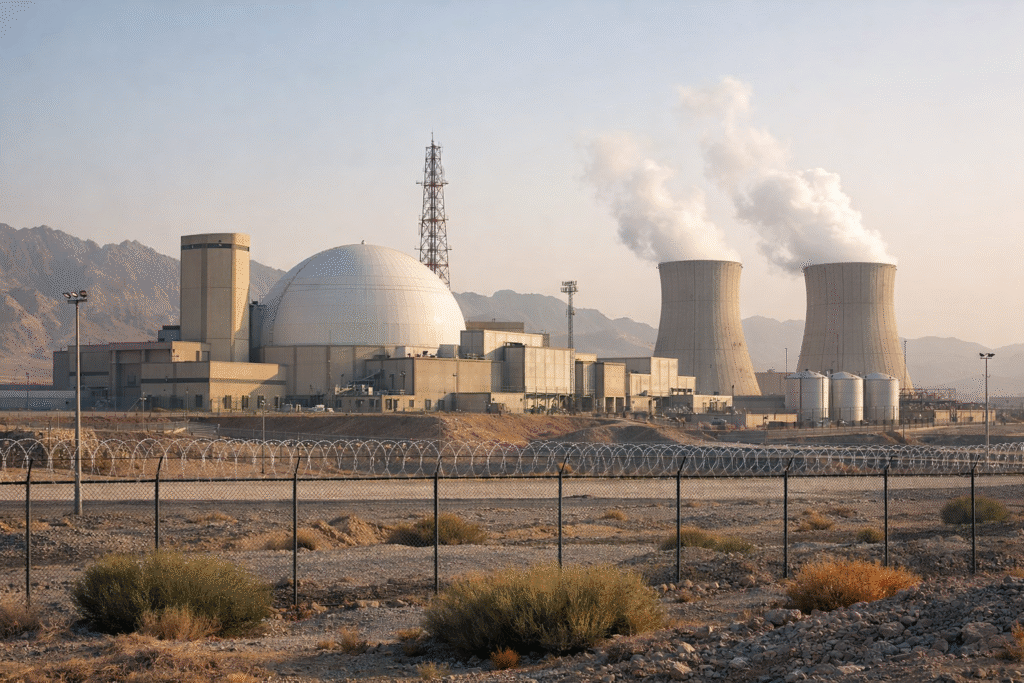
Iran has unveiled a new proposal on nuclear enrichment that is reshaping diplomatic talks. The move raises fresh questions about compliance, leverage, and regional stability.
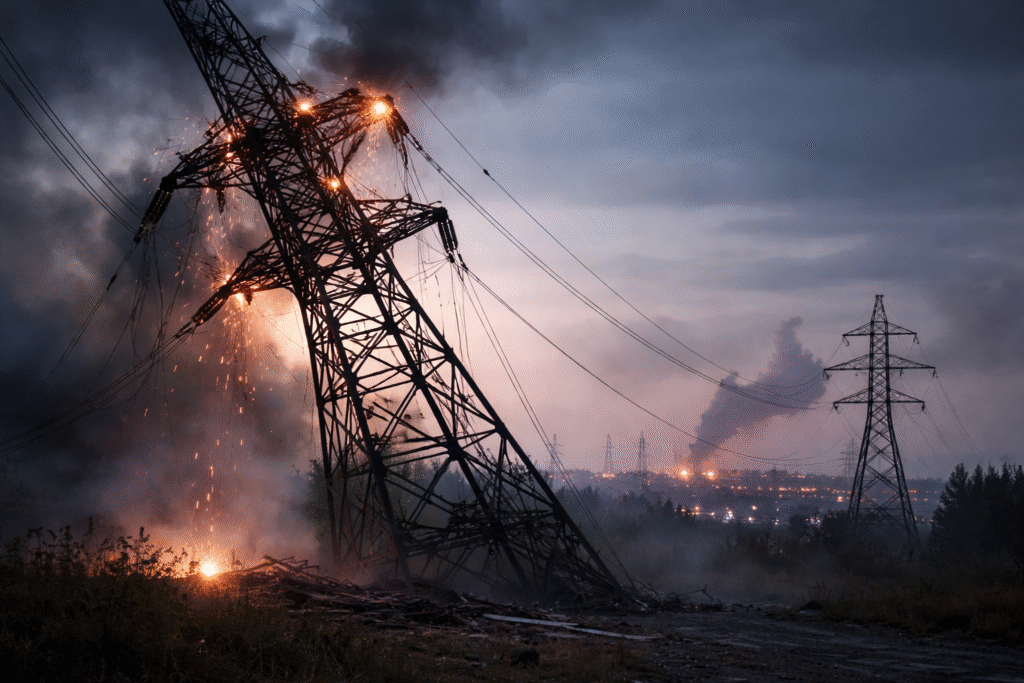
Russian forces conducted a massive attack on Ukraine’s power grid, damaging substations, thermal plants and transmission lines and triggering emergency outages across many regions. Ukrainian officials say critical energy infrastructure suffered significant damage amid ongoing war conditions.
The United Nations cautioned that restrictions on oil supplies and continued blockade measures against Cuba could lead to severe humanitarian consequences if unresolved. UN officials called for respect for international law and peaceful cooperation to address the crisis.
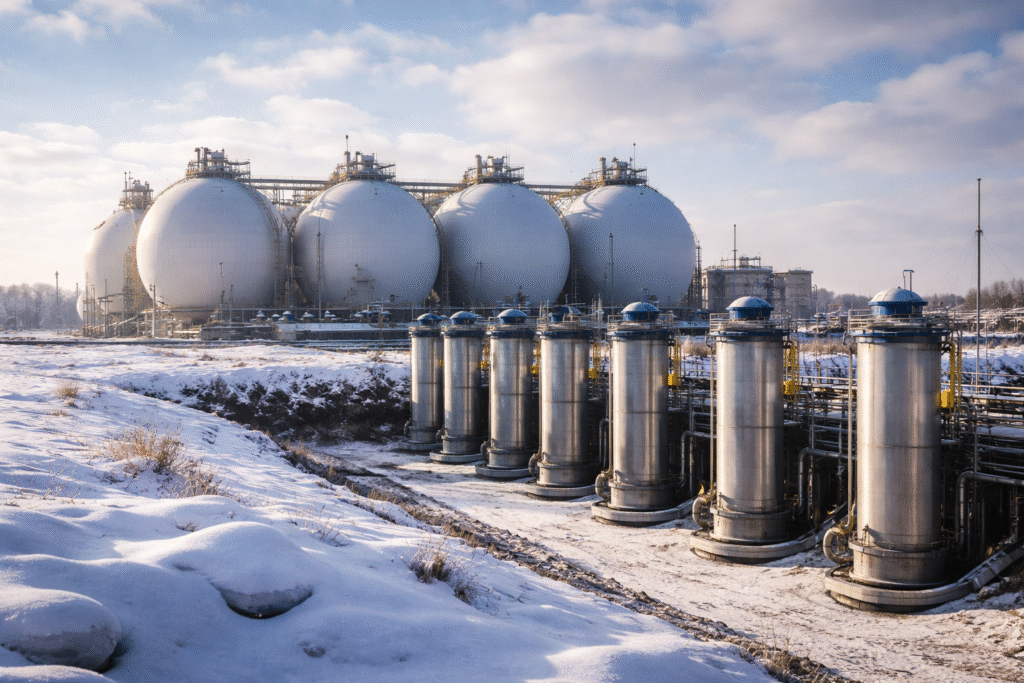
European Union natural gas reserves have fallen to around 40 % of capacity, the lowest level since 2022, prompting warnings about supply and price pressures this winter. Analysts say countries like Germany may increase LNG imports as stockpiles remain tight.
Polish president pushes for aggressive move to nuclear, bypassing LNG amidst ‘geopolitical turmoils’
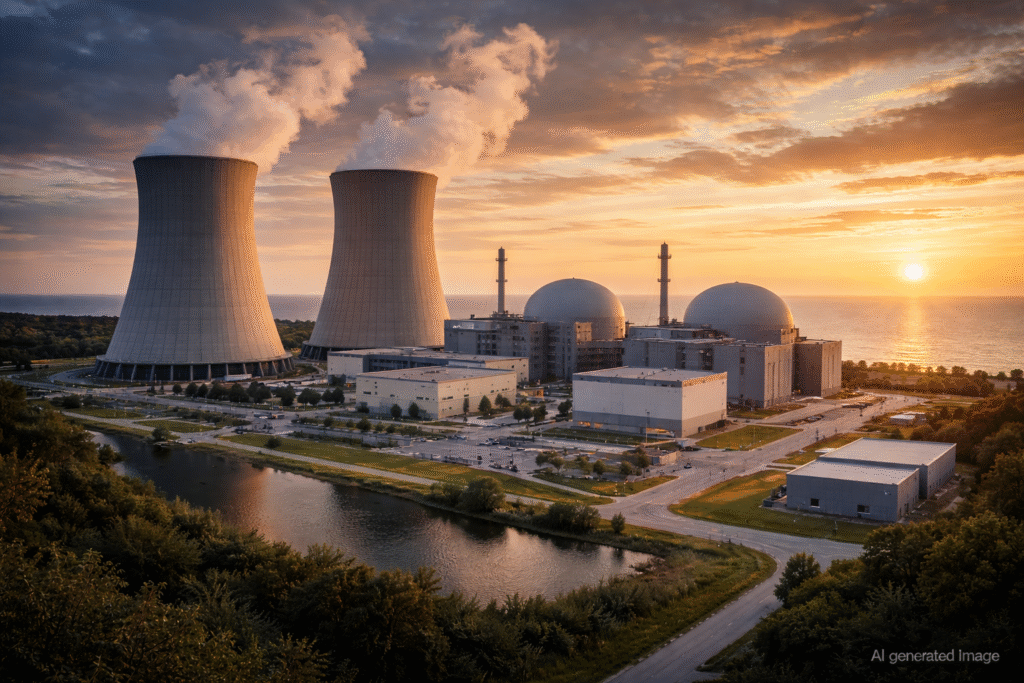
Polish president pushes for aggressive move to nuclear, bypassing LNG amidst ‘geopolitical turmoils’
Poland’s president is pushing a strategy to move from coal straight to nuclear energy, avoiding a temporary reliance on liquefied natural gas and supporting the country’s first nuclear plant construction.