
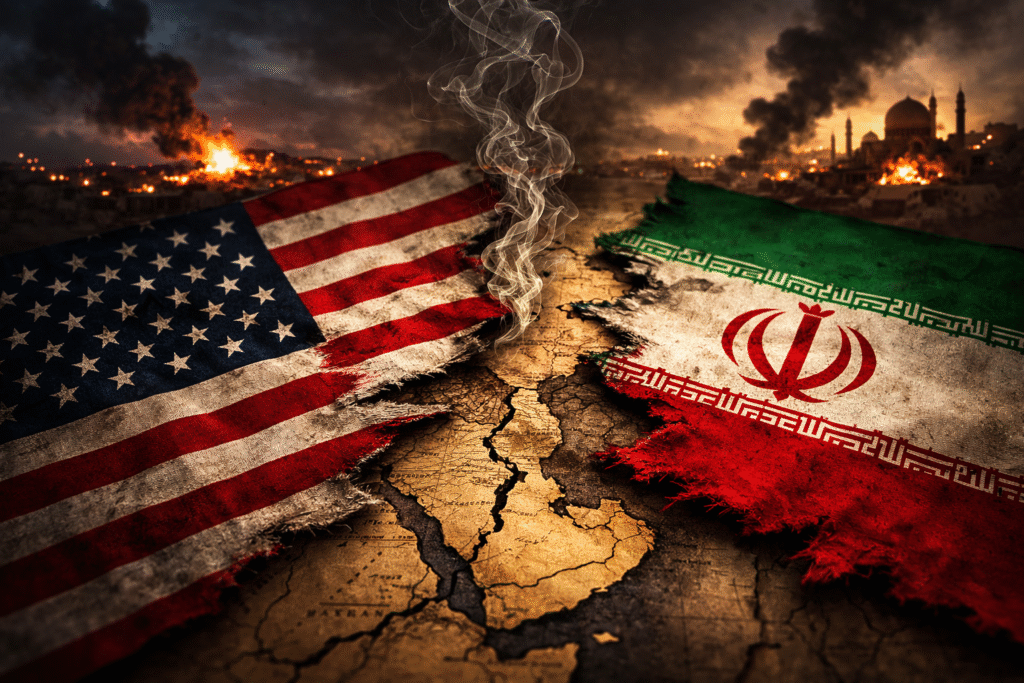
Trump’s remarks on Iran and possible regime change have ignited debate among supporters and critics alike. The comments come amid renewed tensions and uncertainty over future U.S. policy in the region.
Posts published in “Israel”
The Dems’ Entire Anti-Trump Narrative Over the Iran Airstrikes Just Imploded, Thanks to Nancy Pelosi

The Dems’ Entire Anti-Trump Narrative Over the Iran Airstrikes Just Imploded, Thanks to Nancy Pelosi
Democrats have criticized President Donald Trump’s Iran airstrikes as unlawful and reckless. However, Nancy Pelosi’s past remarks defending President Obama’s Libya intervention have reignited debate over consistency.

National security analysts examine rising tensions after the strike on Iran, exploring retaliation risks, cyber threats, and hidden pressure networks. The broadcast also assesses shifting geopolitical power dynamics and emerging developments tied to the Epstein files.
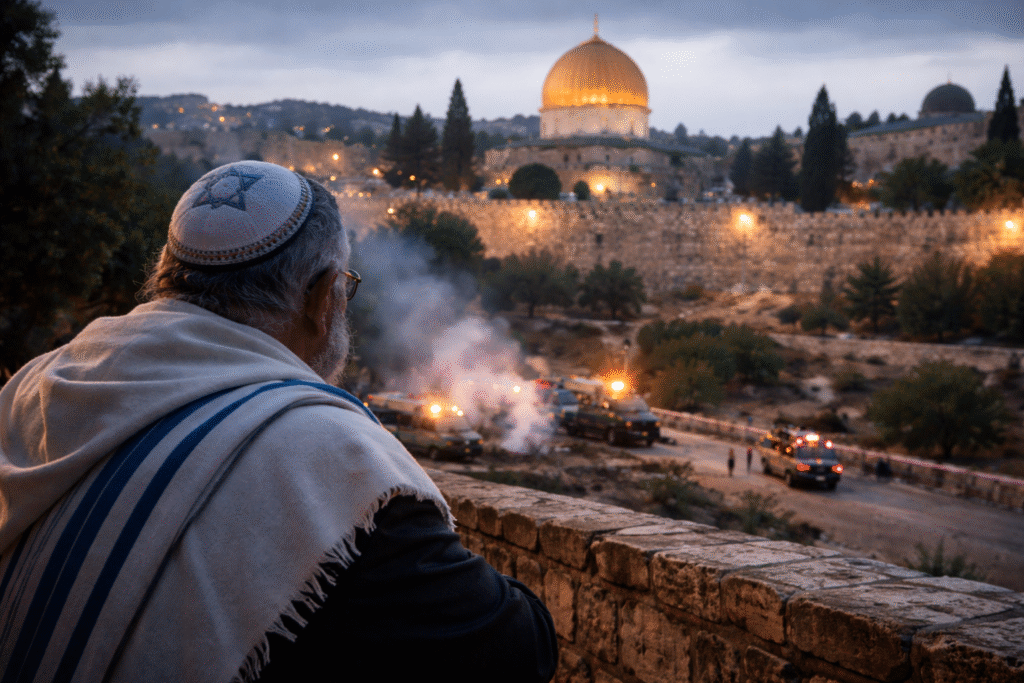
An Iranian missile landed just hundreds of meters from the Temple Mount, fueling speculation about whether Jerusalem’s holiest site was the intended target. Religious leaders say the near-miss carries historic and prophetic implications.
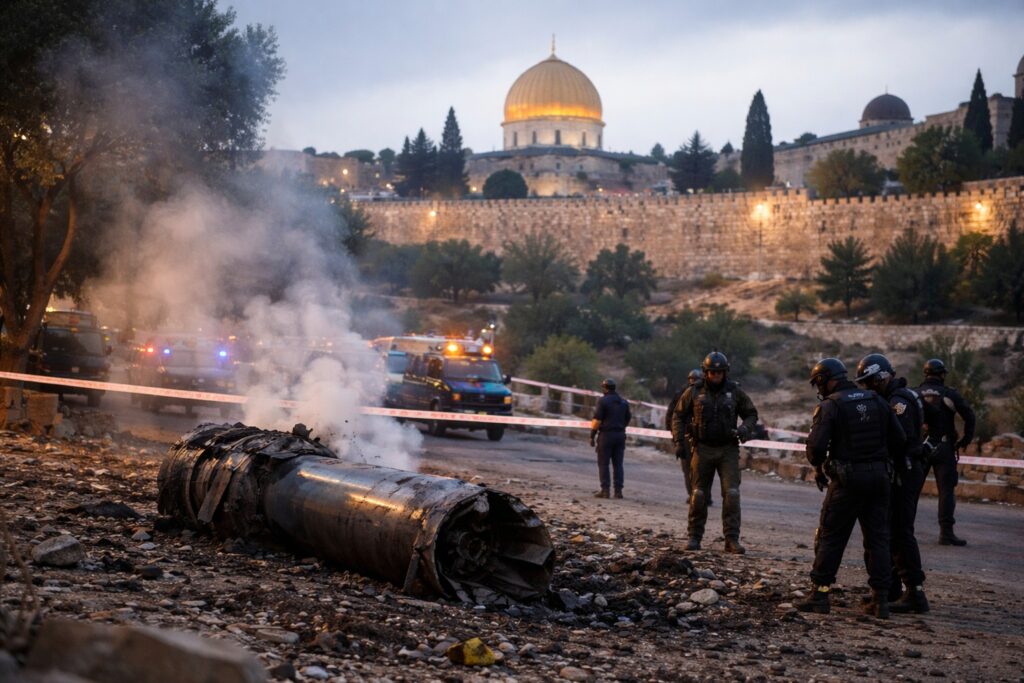
An Iranian missile warhead landed near Jerusalem’s Old City, just hundreds of meters from the Temple Mount and al-Aqsa Mosque. Police say the impact could have caused catastrophic damage to one of the world’s most sensitive religious sites.
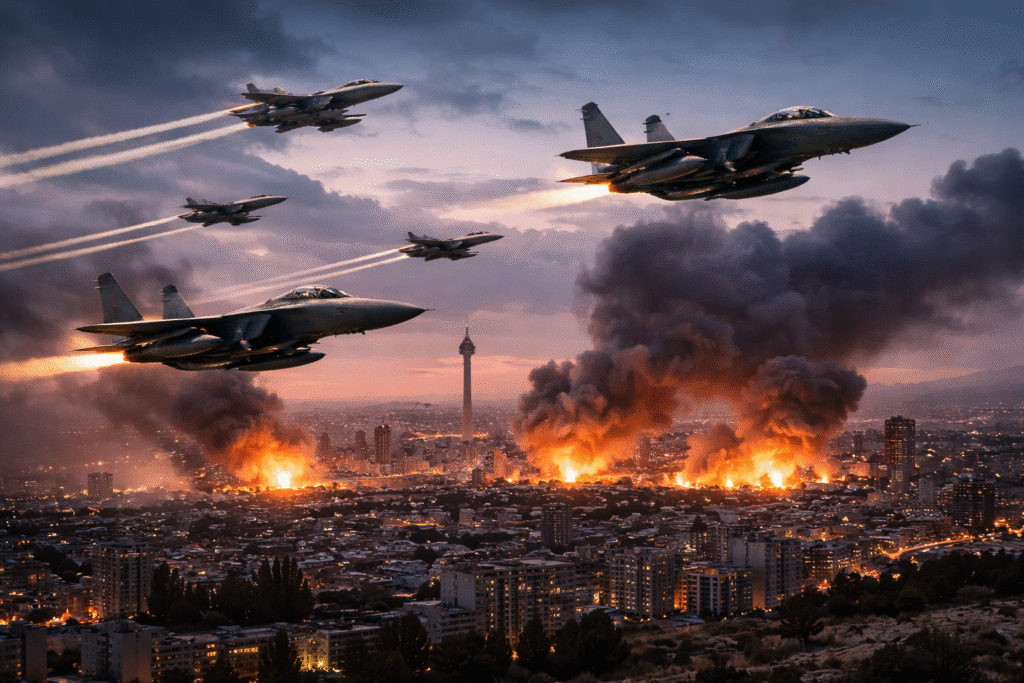
The United States and Israel launched coordinated military strikes on Iran targeting multiple sites, including in Tehran, resulting in significant damage and reported casualties. Iran has responded with missile and drone attacks against U.S. and Israeli positions, intensifying the regional conflict.
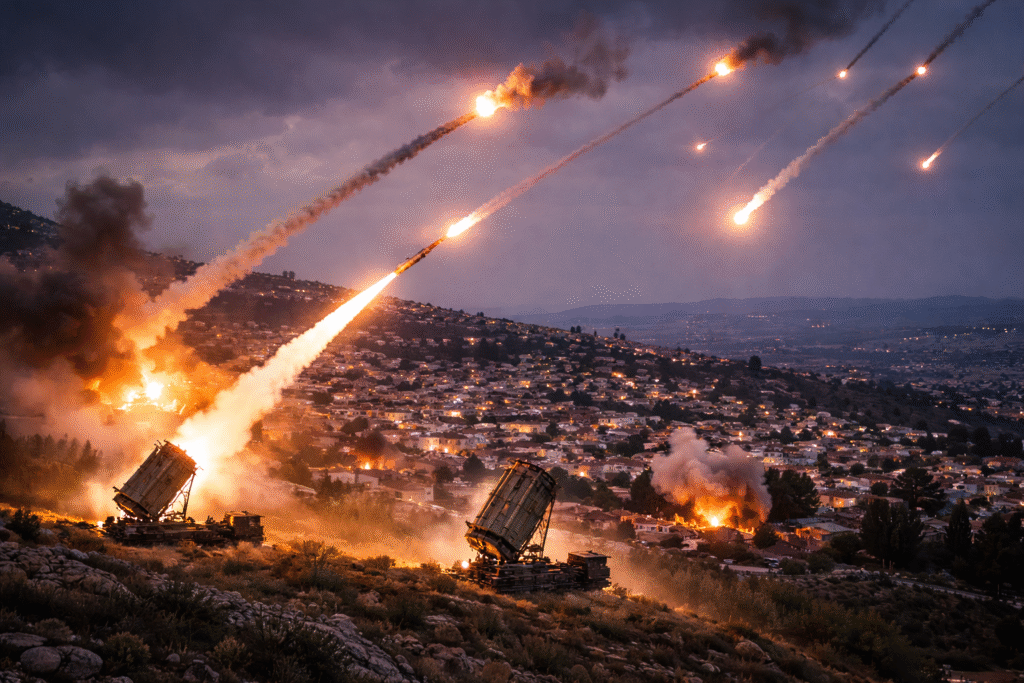
Hezbollah has opened a new front by firing rockets and missiles into northern Israel, marking its first direct engagement in the wider conflict with Israel. The escalation raises fears of a broader regional war as Israeli defenses respond to the barrage.
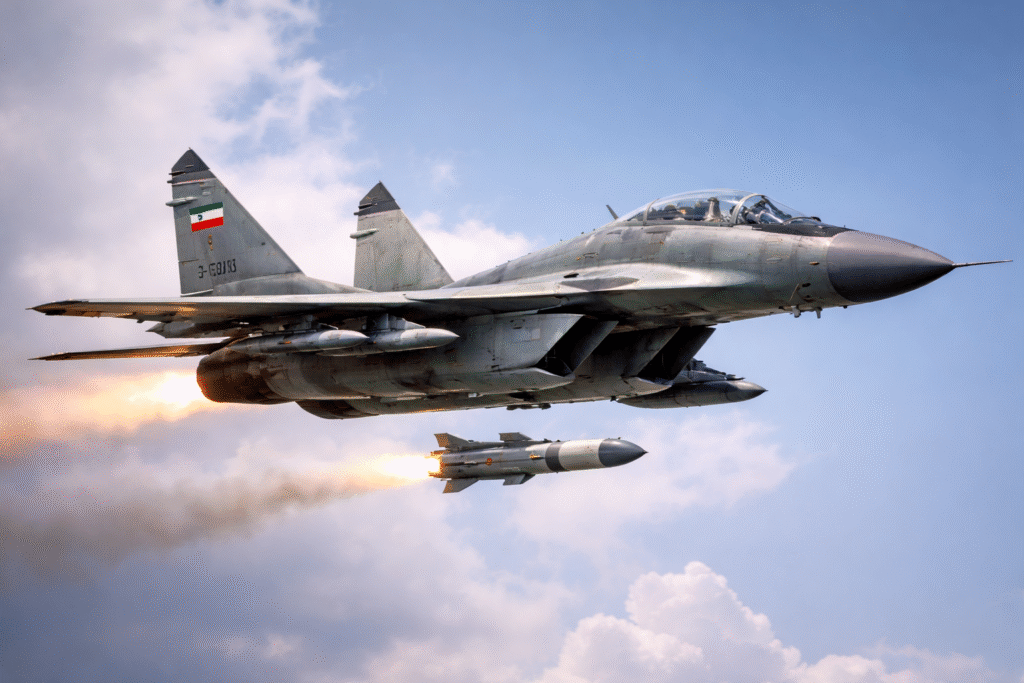
Reports from social media say an Iranian Air Force MiG-29 fighter jet hit an Israeli F-15 EX Eagle II using a Soviet-designed R-27 air-to-air missile, potentially marking a rare aerial defeat. Neither Iran nor Israel have officially confirmed the incident.
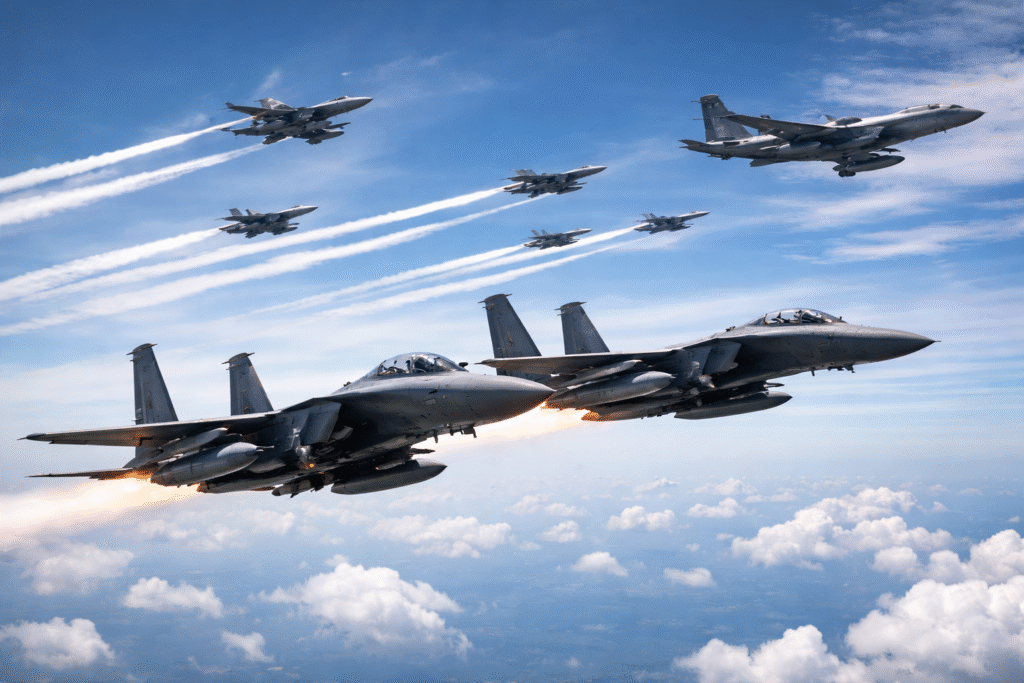
President Donald Trump declared that “major combat operations” are underway against Iran as joint U.S. and Israeli strikes targeted Tehran and other strategic sites. He urged Iranian forces to surrender and called on the Iranian people to rise up against their government amid the offensive.

The article contends that forces allied with Islamic authoritarianism are struggling to gain lasting power, attributing this to political, cultural, and institutional pushback. It analyzes how various societal dynamics and resistance movements have kept certain forms of tyranny in check.

The article evaluates the Iran–Israel conflict through the lens of just war theory, asking whether military action meets moral standards such as legitimate defense, proportionality, and last resort. It argues that ethical criteria must guide decisions amid escalating regional warfare.
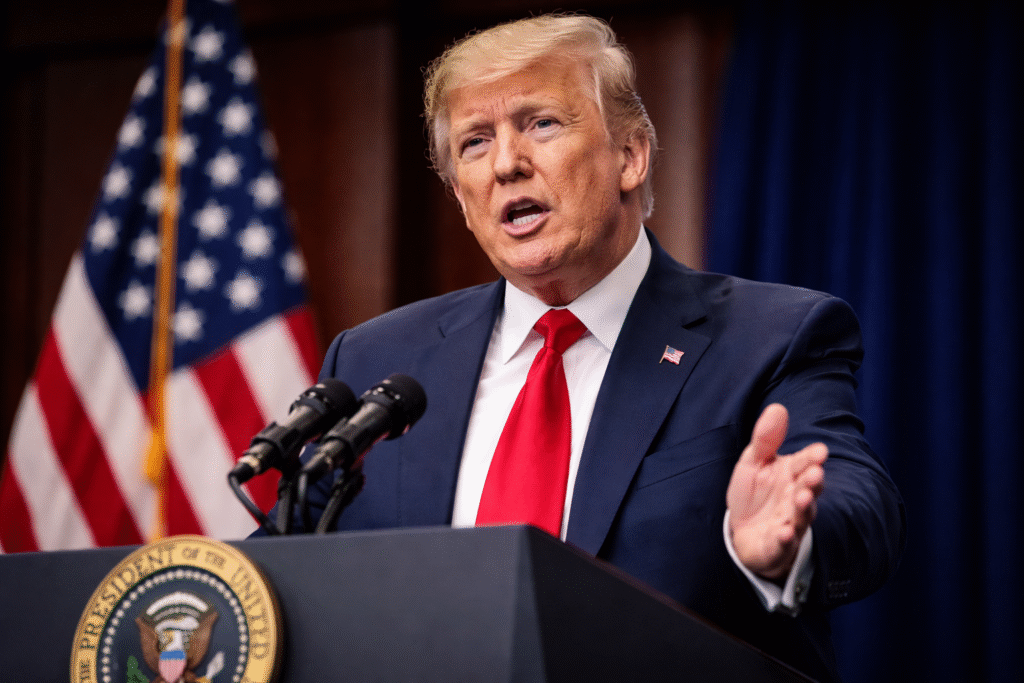
President Donald Trump said the military campaign against Iran that has involved U.S. and Israeli strikes could last about four weeks, noting that this timeline has always been part of planning for the operation. He emphasized that while the conflict is intense, it is not intended to become an open-ended “forever war.”
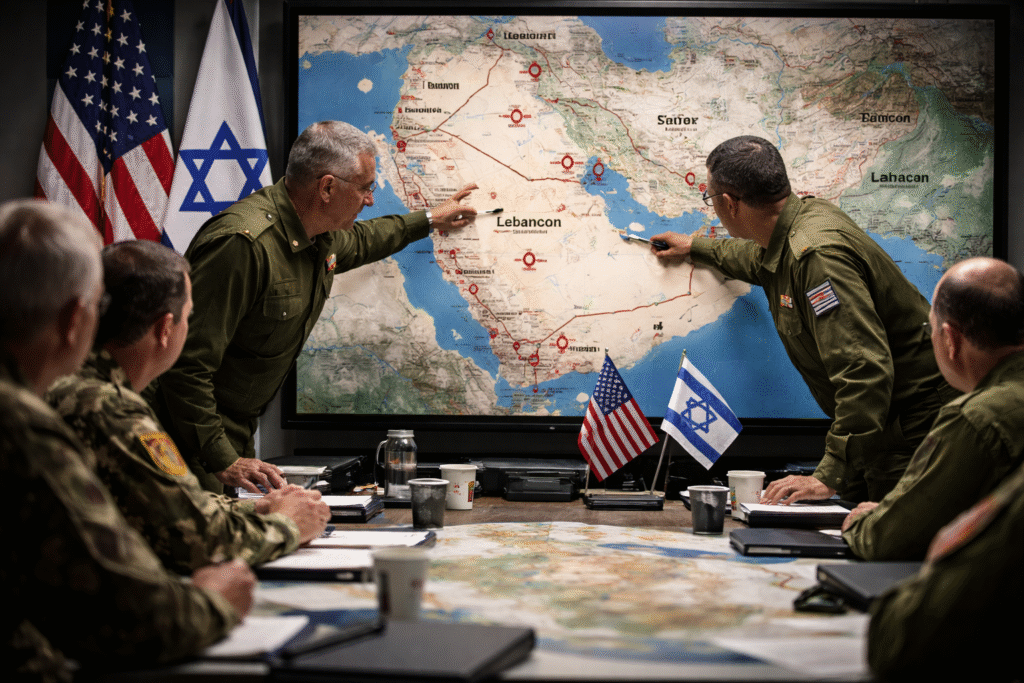
The article claims that longstanding assumptions about the inability of the United States and Israel to neutralize Iranian proxies like the Houthis, Hezbollah and Hamas have been upended by recent strategic actions. It frames recent military and diplomatic moves as accomplishing what was once thought impossible.
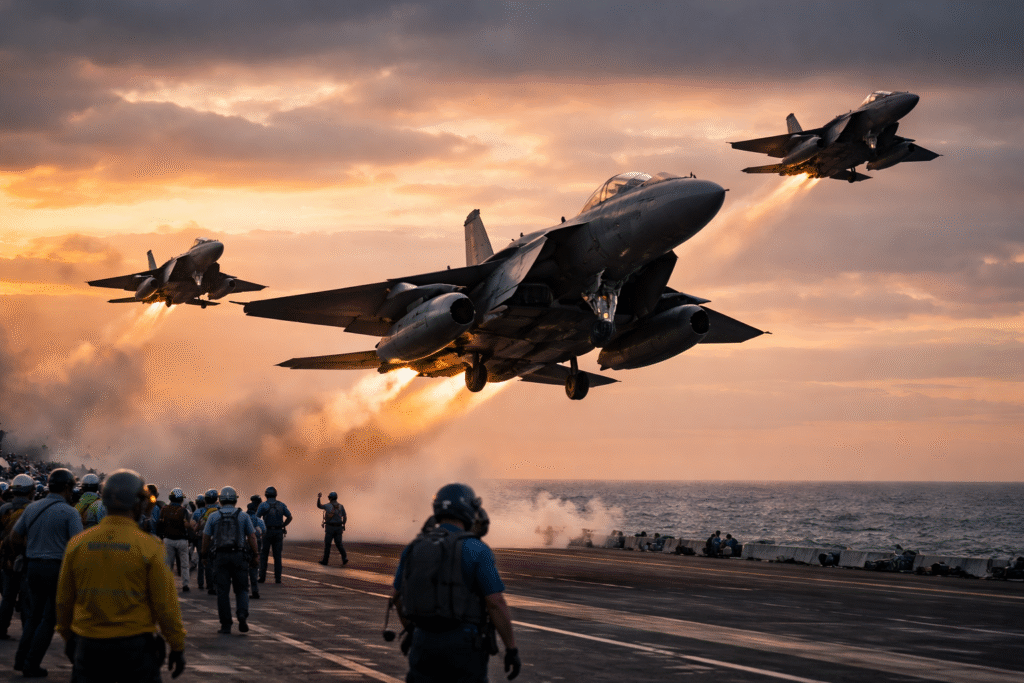
Opinion piece argues that governments can avoid U.S. military strikes by changing hostile policies and ceasing actions that threaten American interests.
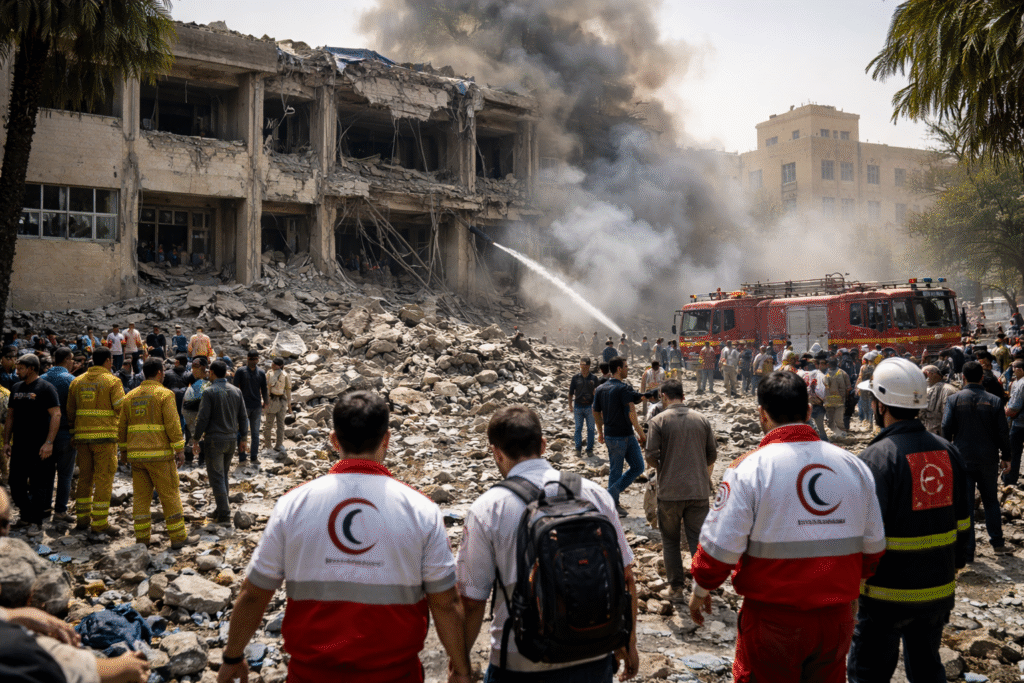
Reports claim an Israeli strike targeted a school in southern Iran, resulting in more than 50 fatalities as fighting intensifies between the two sides. The incident marks a significant escalation and raises international concern over civilian casualties in the expanding conflict.
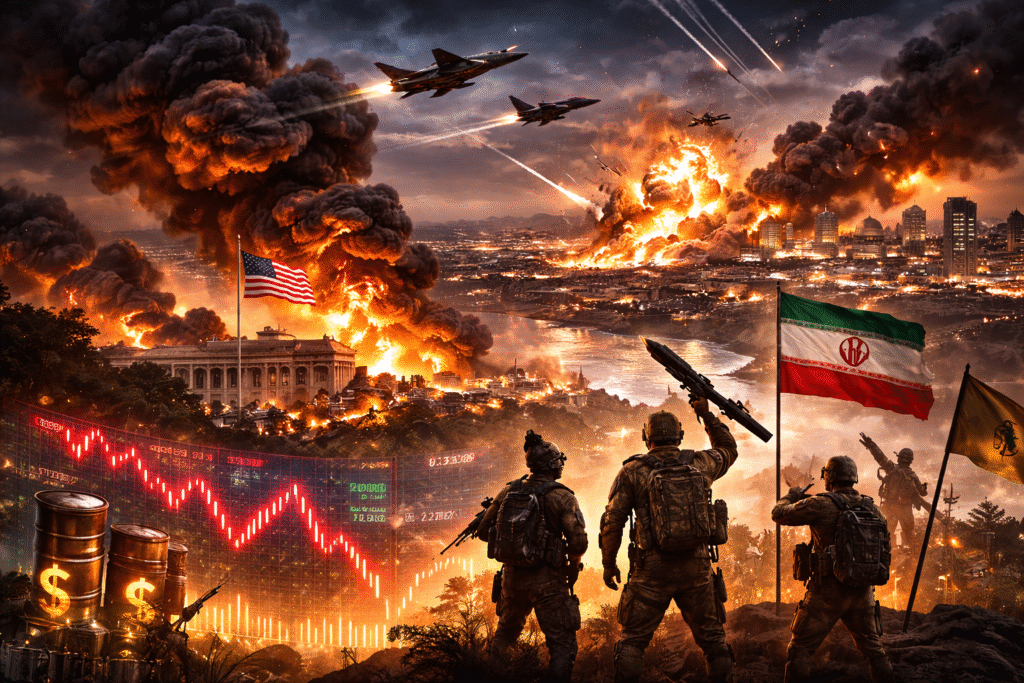
The war between Iran, Israel, and the United States continues to widen as Iranian-backed militias launch new attacks. Oil markets tumble, casualties rise, and regional powers brace for escalation.
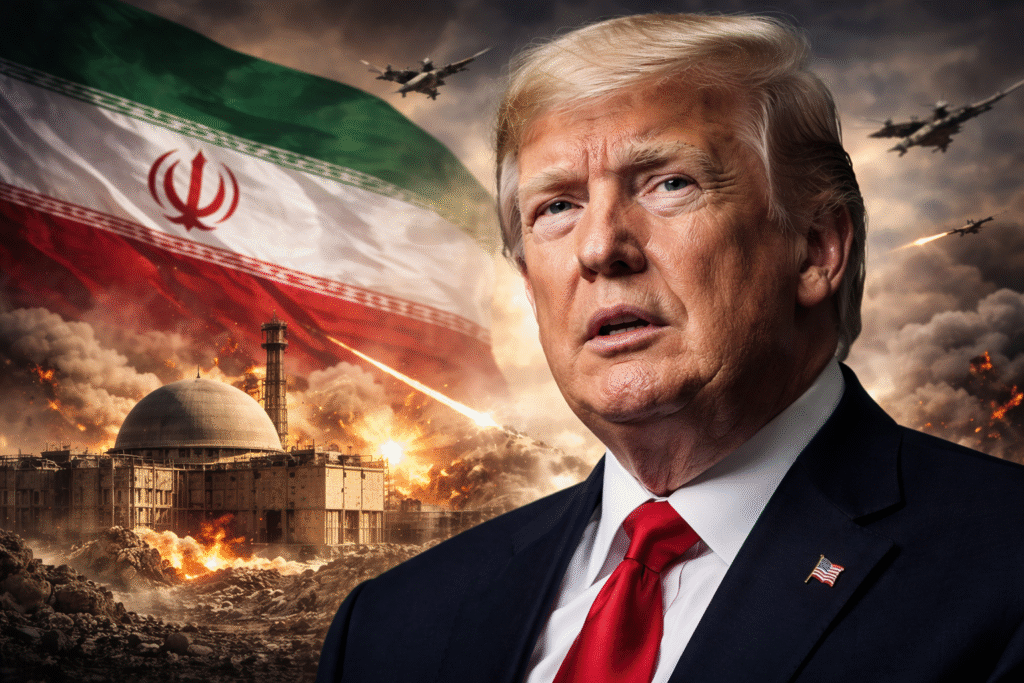
President Donald Trump repeatedly claimed Iran’s nuclear program was destroyed in U.S.–Israeli strikes. Renewed calls for action now raise questions about shifting justifications and Middle East policy.
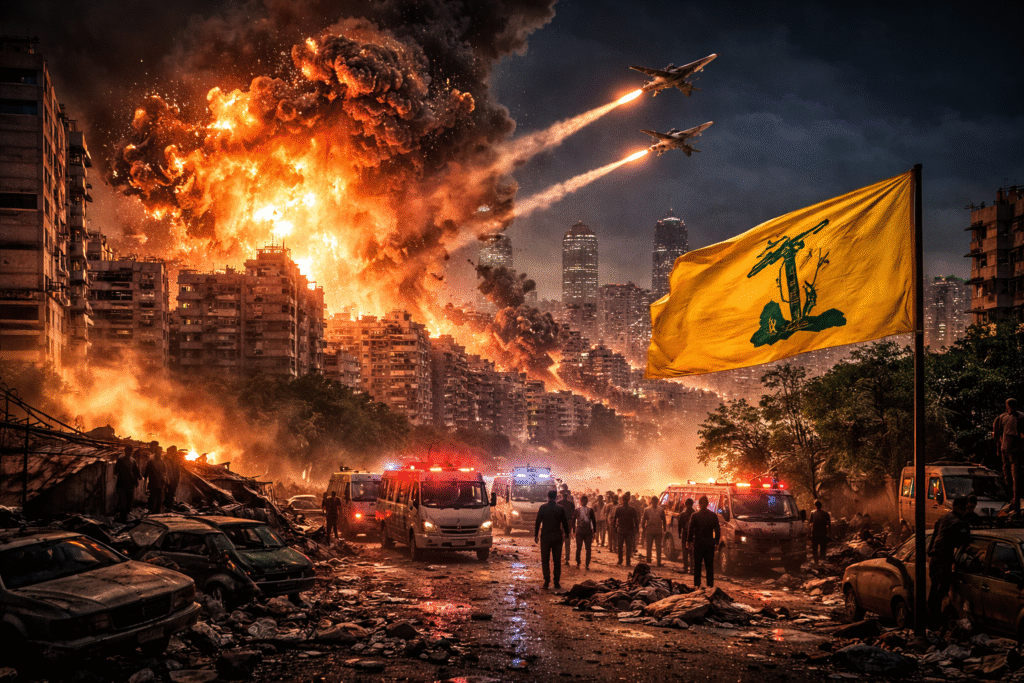
Israel launched airstrikes on Beirut following Hezbollah rocket fire toward Haifa. The escalation marks the most significant cross-border retaliation since the 2024 ceasefire.