
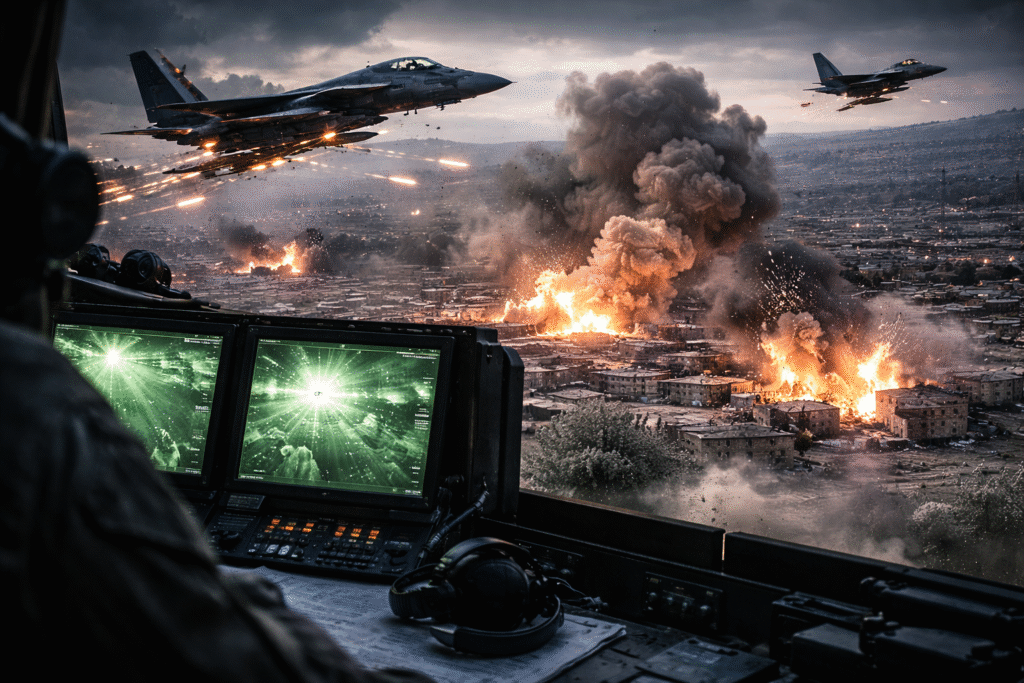
The Pentagon has released declassified combat footage showing U.S. and allied forces striking more than 70 Islamic State targets across central Syria. Officials say the operation was launched in retaliation for the killing of American personnel and aimed at degrading terrorist infrastructure.
Posts published in “Military”

President Donald Trump signed the $900 billion National Defense Authorization Act, delivering major funding for troop pay, missile defense, and military modernization. However, last-minute congressional additions diluted key America First priorities and expanded unwanted spending.
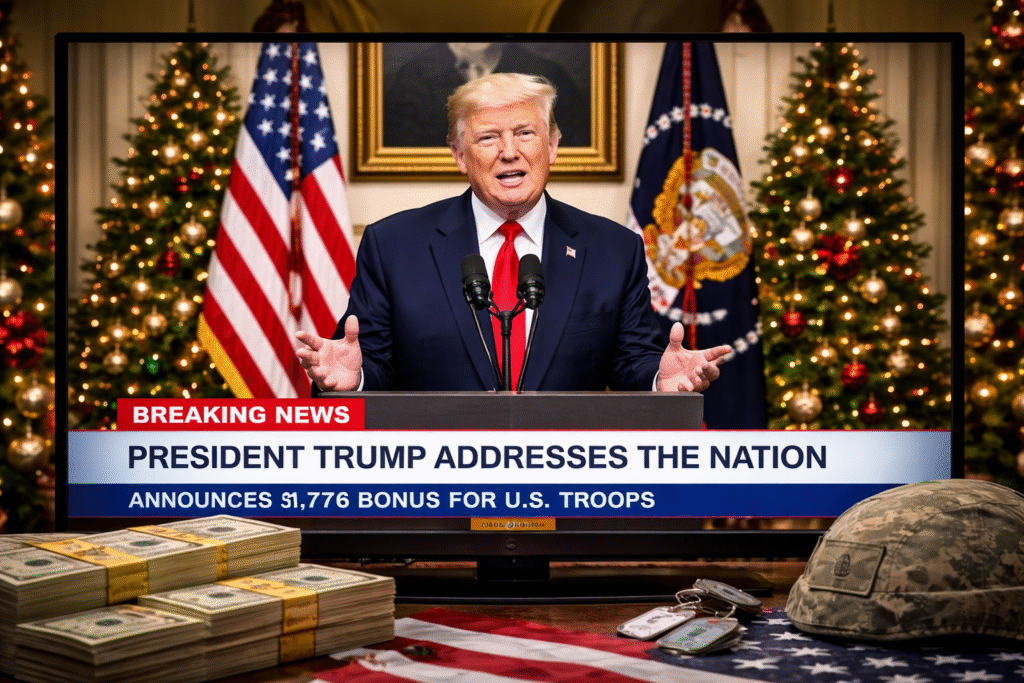
President Trump delivered a prime-time televised address blaming Democrats for economic pressures while unveiling a $1,776 Christmas bonus for U.S. troops. The speech mixed holiday messaging with campaign-style rhetoric as public concern over inflation and jobs persists.
Children’s Health Defense filed a lawsuit against the Department of Defense, alleging the military systematically denies religious vaccine exemption requests. The suit claims DOD policies violate federal law, constitutional protections, and harm recruitment and readiness.
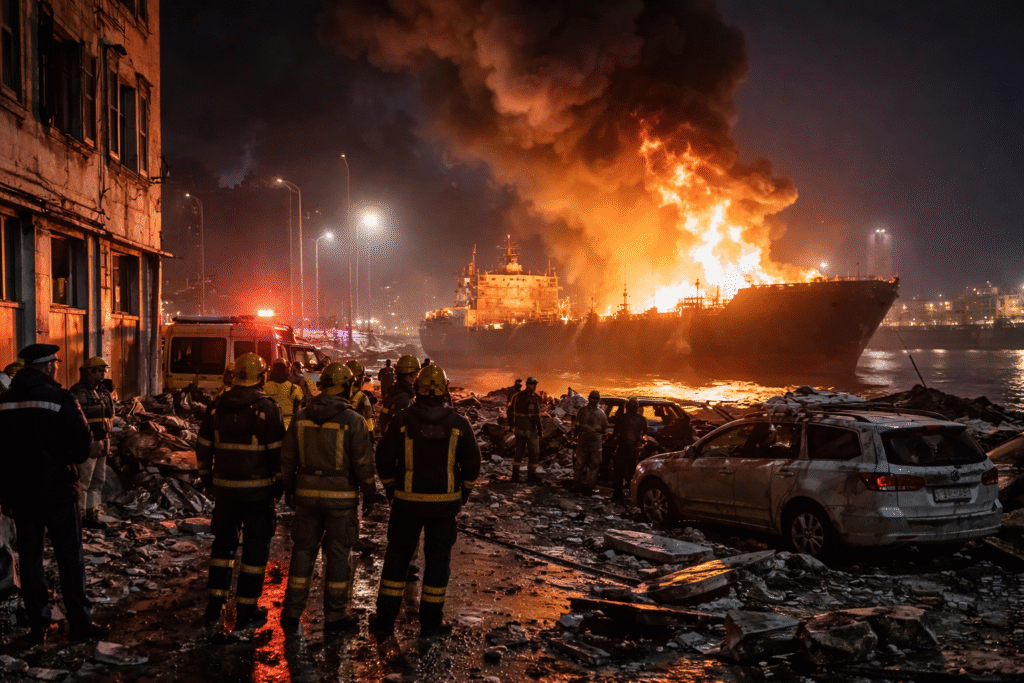
A series of overnight drone attacks targeted multiple Russian regions, with Rostov-on-Don and Bataysk among the hardest hit. Civilian infrastructure was damaged, a tanker caught fire at port, and casualties were reported.
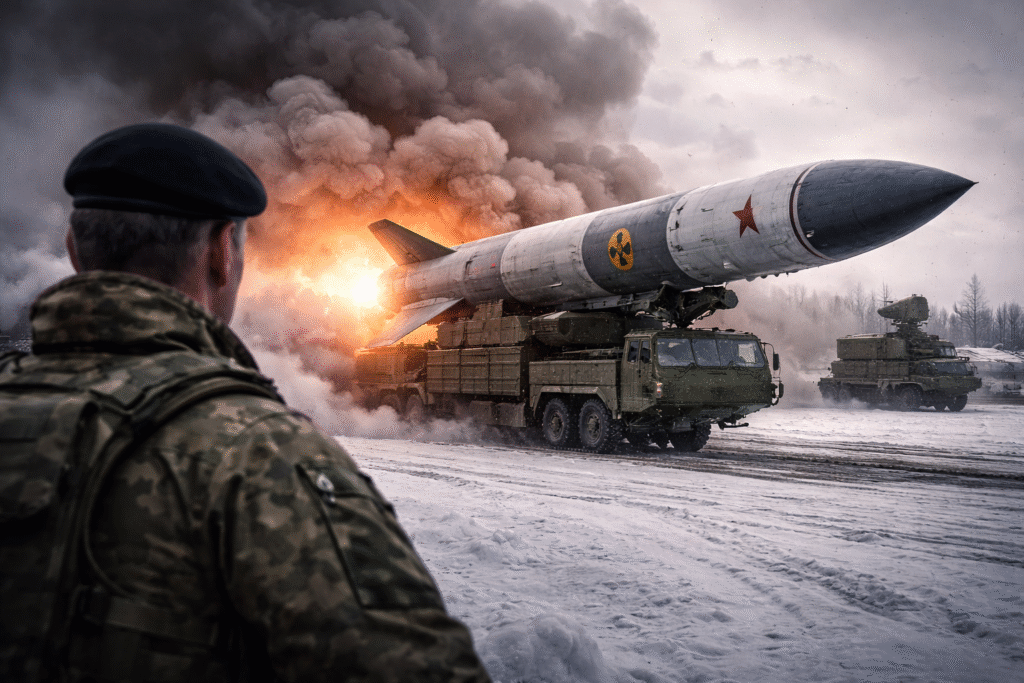
Western analysts continue to dismiss Russia’s Burevestnik nuclear-powered cruise missile, despite its ability to remain airborne for extended periods. Critics cite radiation risks, while Russia points to its strategic endurance and deterrence value.
House Democrats pushed two War Powers resolutions aimed at limiting President Trump’s authority to confront narco-terrorism and Venezuela, but both measures failed. The votes exposed sharp divisions over national security, cartel violence, and U.S. military action in the hemisphere.
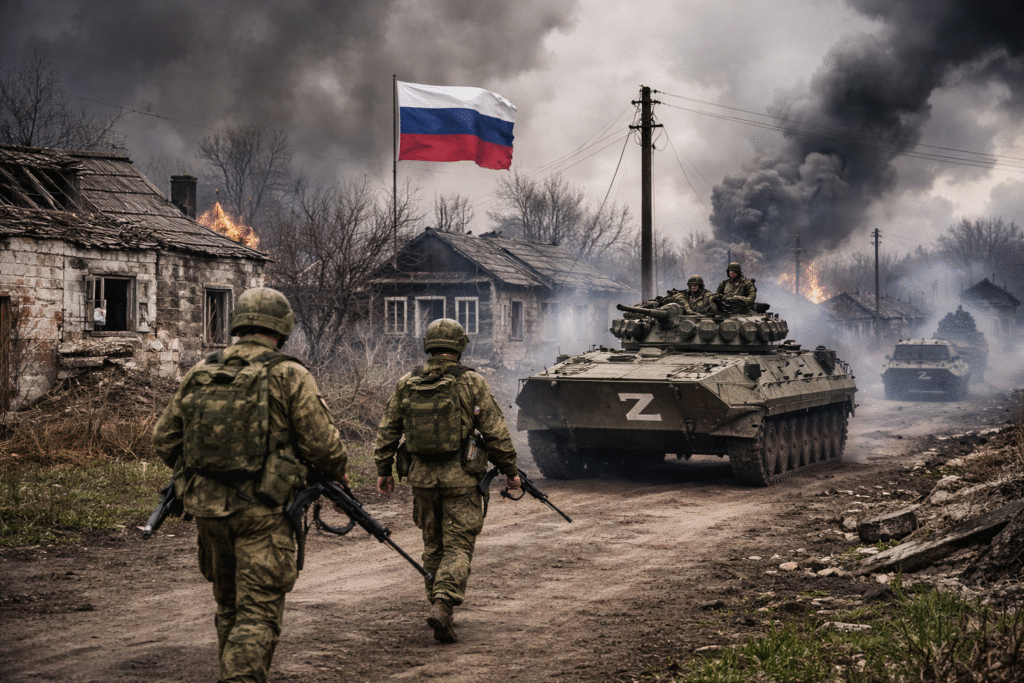
Russia’s Defense Ministry announced the capture of Novoplatonovka in Kharkiv Oblast following an offensive by its western forces. The move is part of broader operations targeting key logistics routes along the Oskol River.
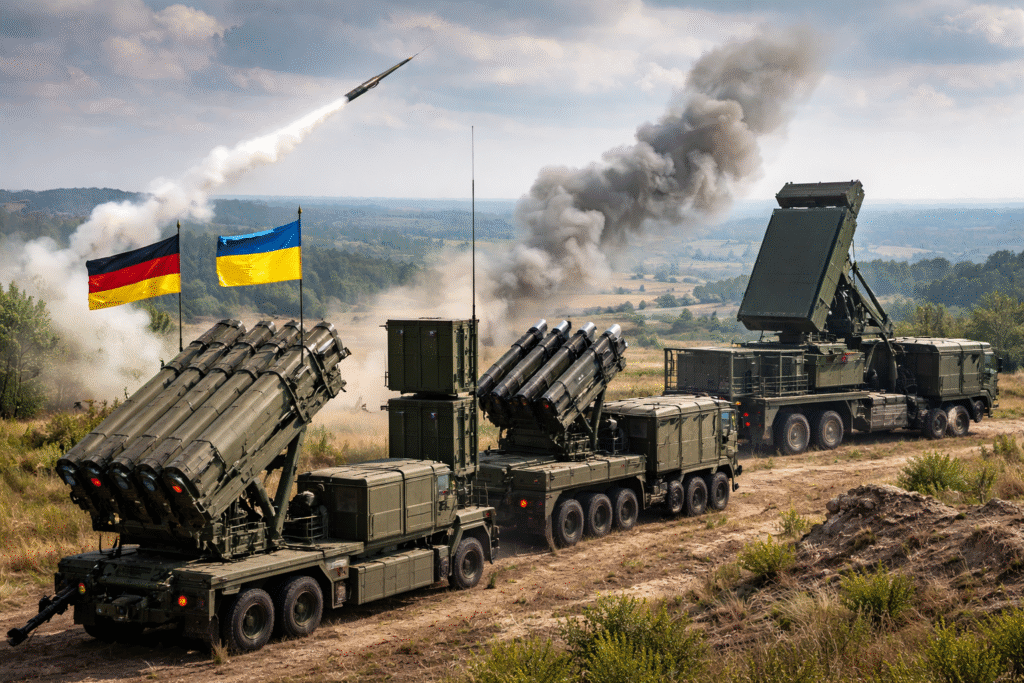
Germany has announced the transfer of three additional air defense systems to Ukraine, including Patriot and IRIS-T platforms. The move further expands Western military support as arms deliveries to Kyiv continue to increase.
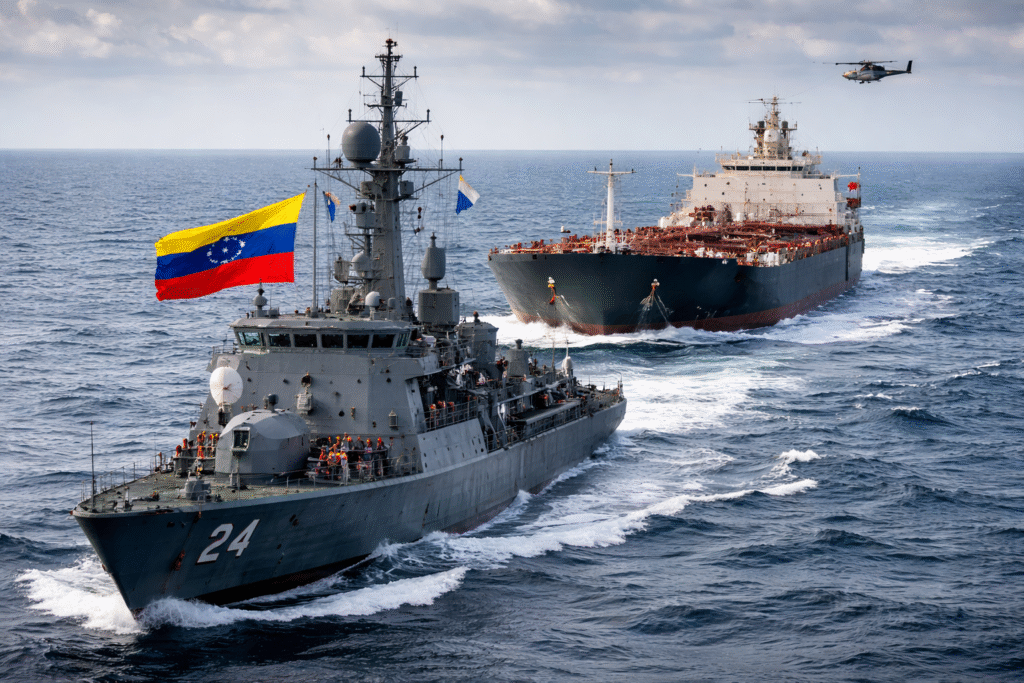
Venezuela has ordered its navy to escort oil tankers after President Trump declared a complete blockade on sanctioned vessels. The move raises the risk of direct confrontation as U.S. forces continue seizing Venezuelan-linked tankers.
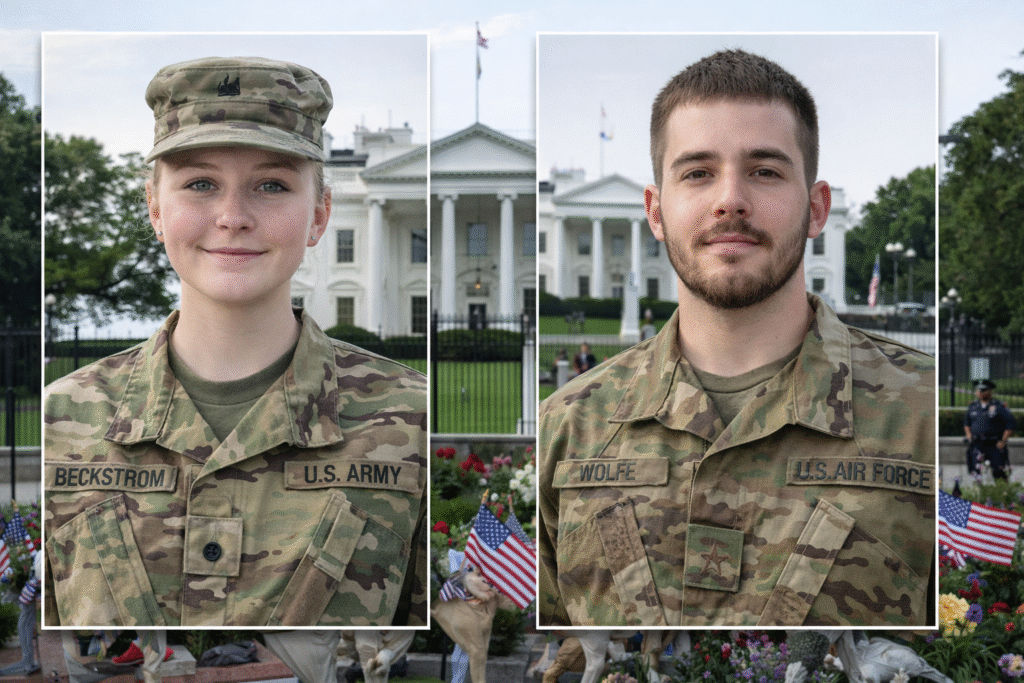
The U.S. House unanimously passed a resolution honoring two National Guard members shot near the White House in a suspected terror-related attack. One service member was killed, while the other faces a long recovery following the shooting.
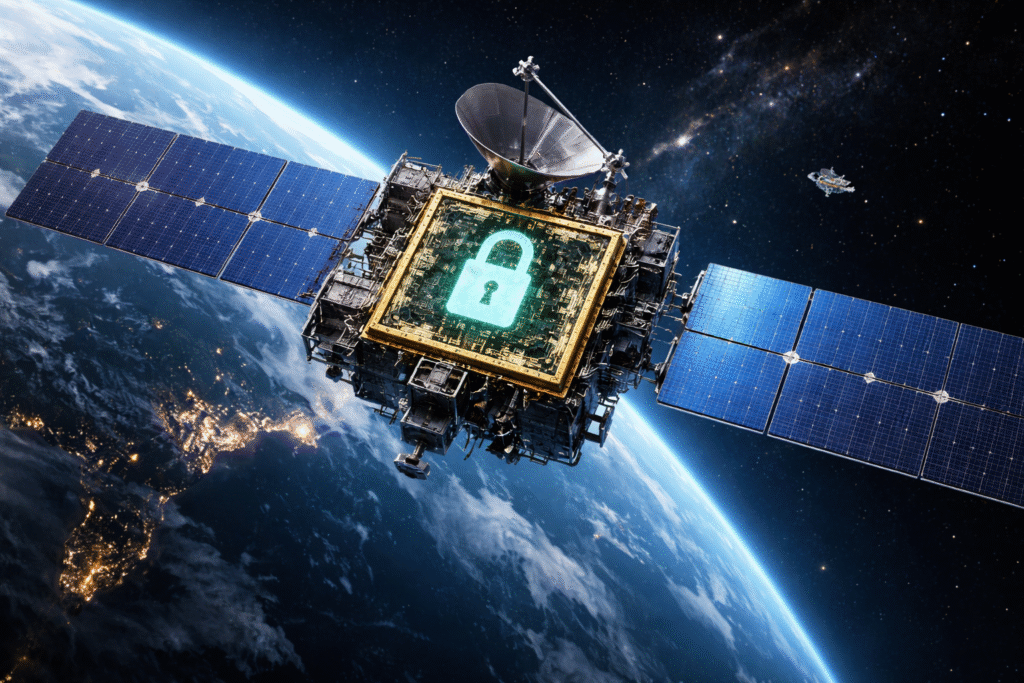
Leonardo DRS has successfully completed the first on-orbit test of its crypto-enabled XCM3-Space software-defined radio, demonstrating secure satellite data transport for U.S. military users. The system is designed to counter cyber and electronic warfare threats while supporting future missile defense and space-based operations.
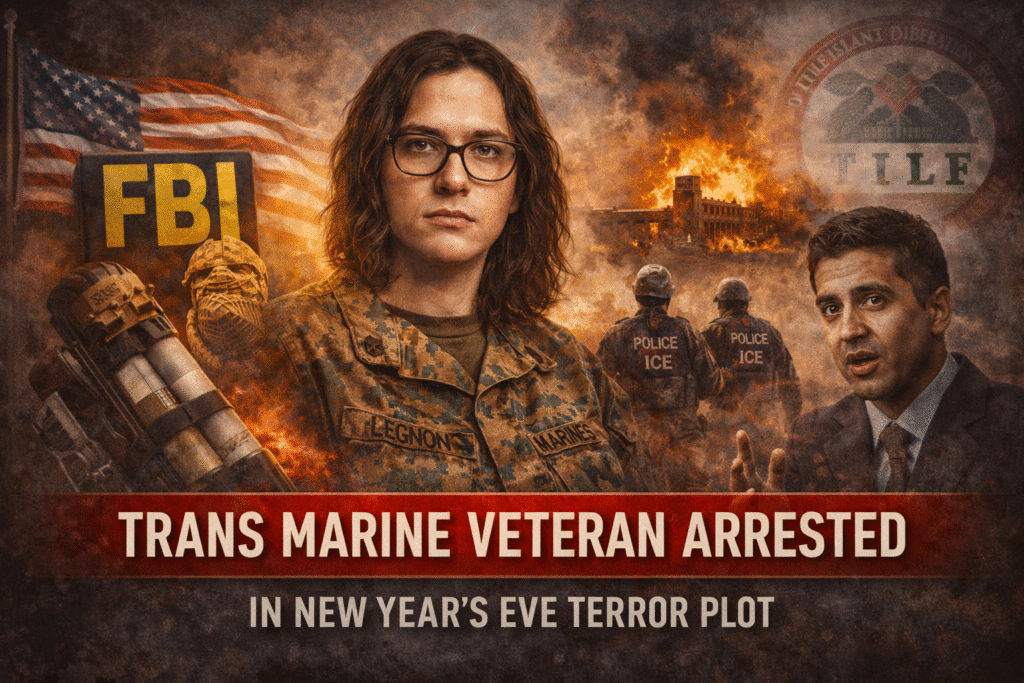
Federal authorities arrested a transgender Marine veteran accused of plotting New Year’s Eve bombings targeting businesses and ICE agents. Investigators say the suspect sought to “recreate Waco” as part of a coordinated extremist operation.

Russia has intensified its rhetoric toward Europe, with Kremlin figures openly threatening cities such as Berlin, Paris, and Vienna. Intelligence agencies warn Moscow may be preparing for a broader conflict with NATO within the next decade.
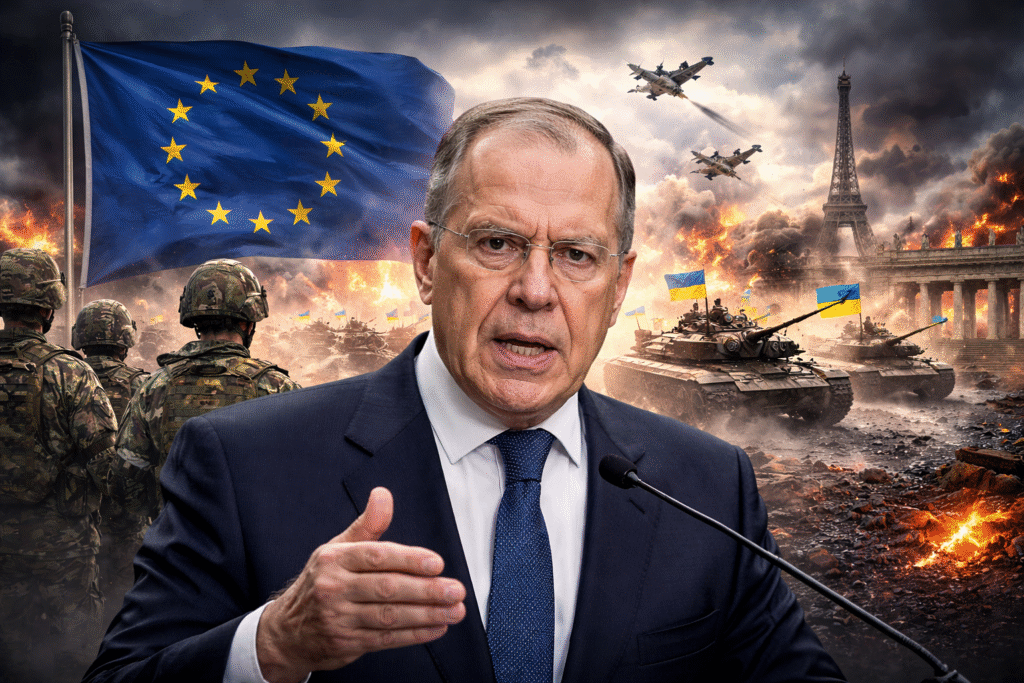
Russian Foreign Minister Lavrov accuses Western Europe of fueling global instability by supporting the Ukraine conflict, undermining democracy, and scheming against Russia.
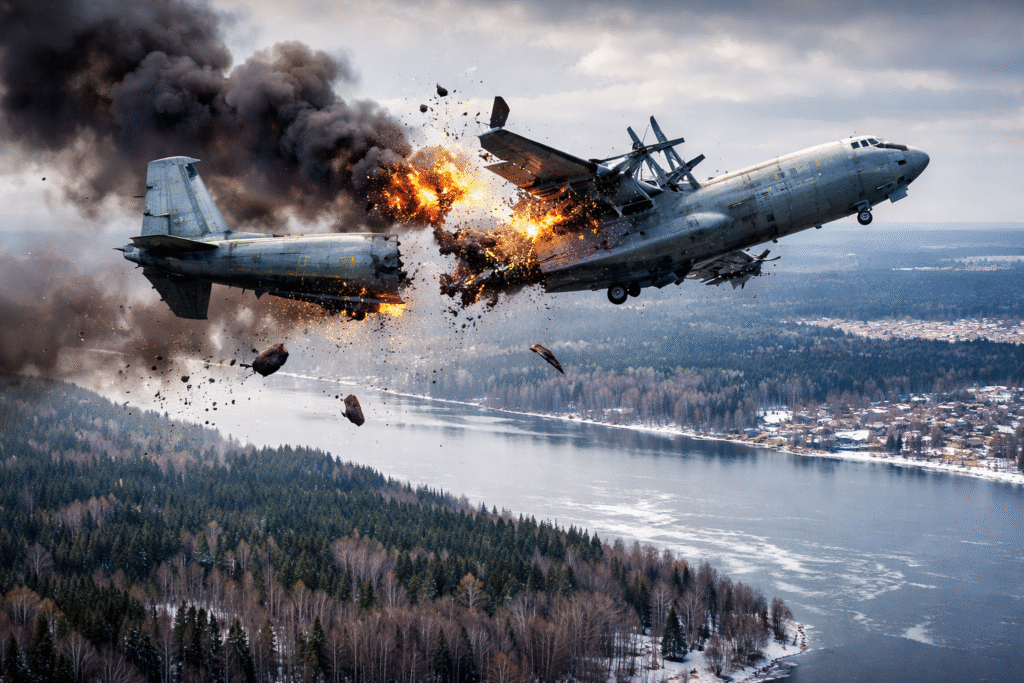
Leaked footage shows the tragic An-22 crash in Ivanovo, as the plane broke apart mid-air, leading to the deaths of seven crew members during a routine test flight.
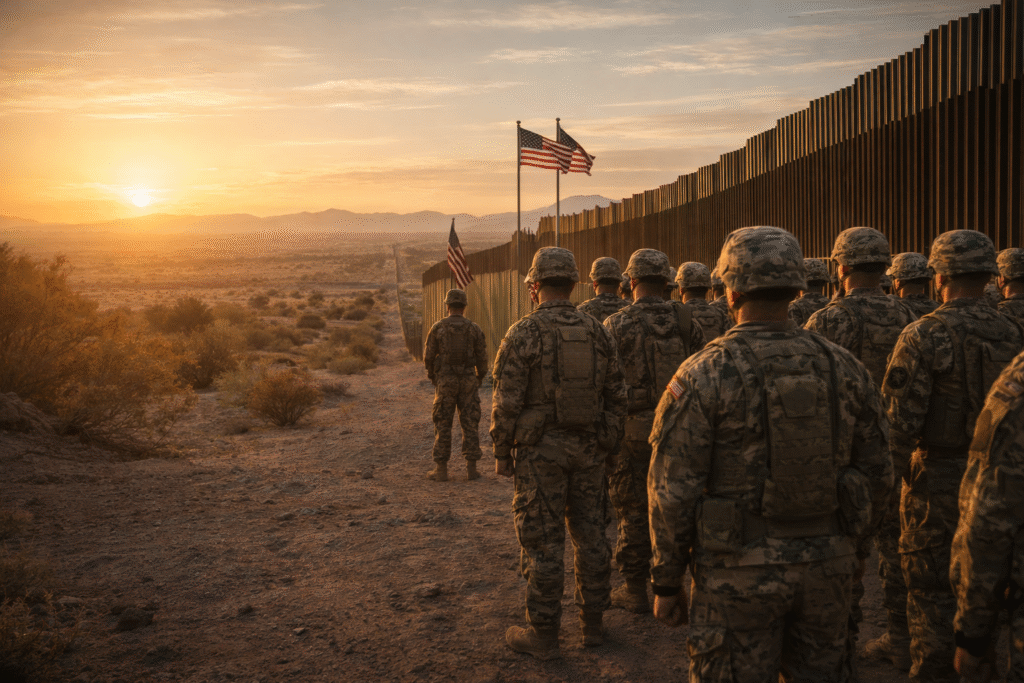
President Trump awarded U.S. service members the newly created Mexican Border Defense Medal as border crossings reached historic lows under his second term. The administration credits aggressive enforcement, policy reversals, and cartel designations with restoring sovereignty and public safety.
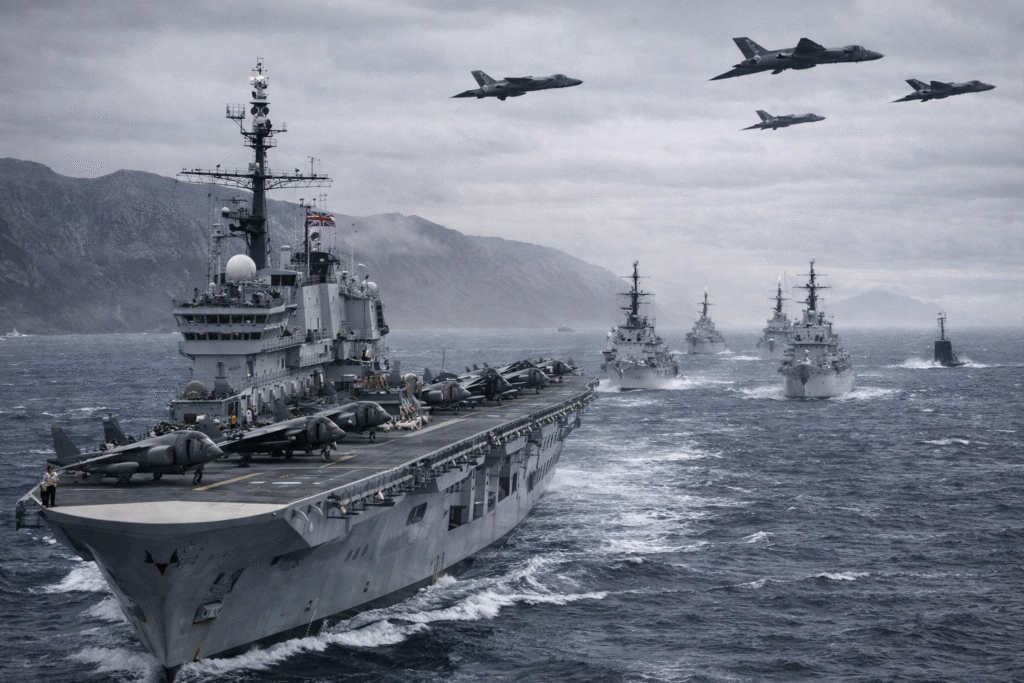
Britain’s 1889 Naval Defence Act established the “two-power standard,” requiring the Royal Navy to match the combined strength of the next two largest fleets, initially France and Russia, backed by major shipbuilding investments.