
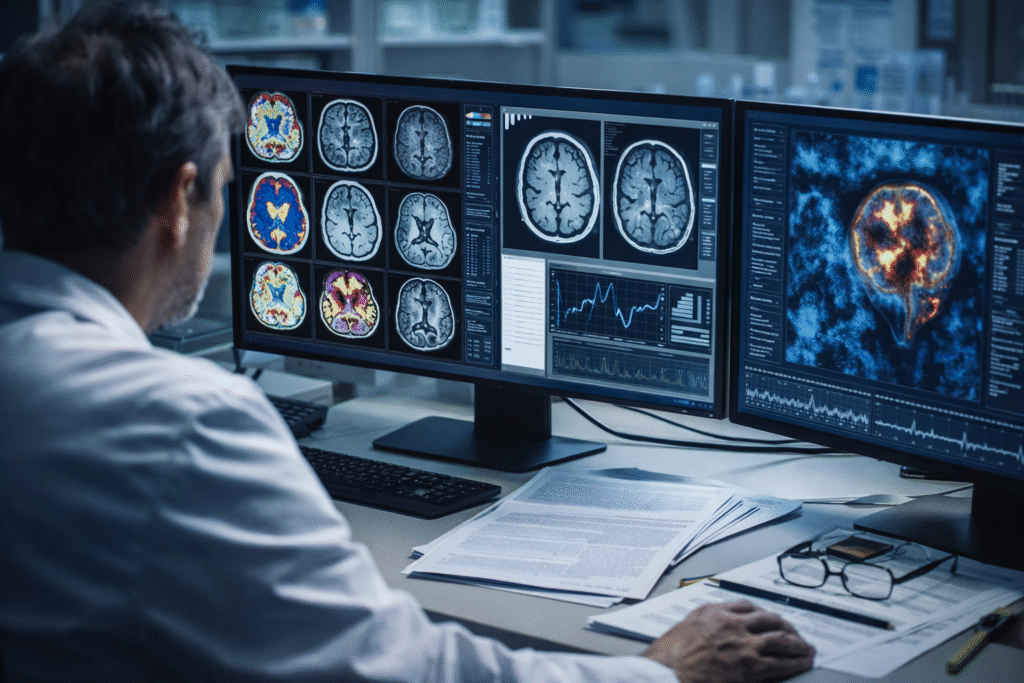
Questions surrounding Alzheimer’s research intensified after allegations that influential amyloid studies contained manipulated data. The controversy has sparked debate over whether decades of research funding followed a flawed scientific path.
Posts published in “Science News”

The U.S. Space Force, once dismissed by critics, is now playing a key role in Operation Epic Fury. Satellite sensors and infrared tracking systems help detect missile launches and guide defensive responses in real time.
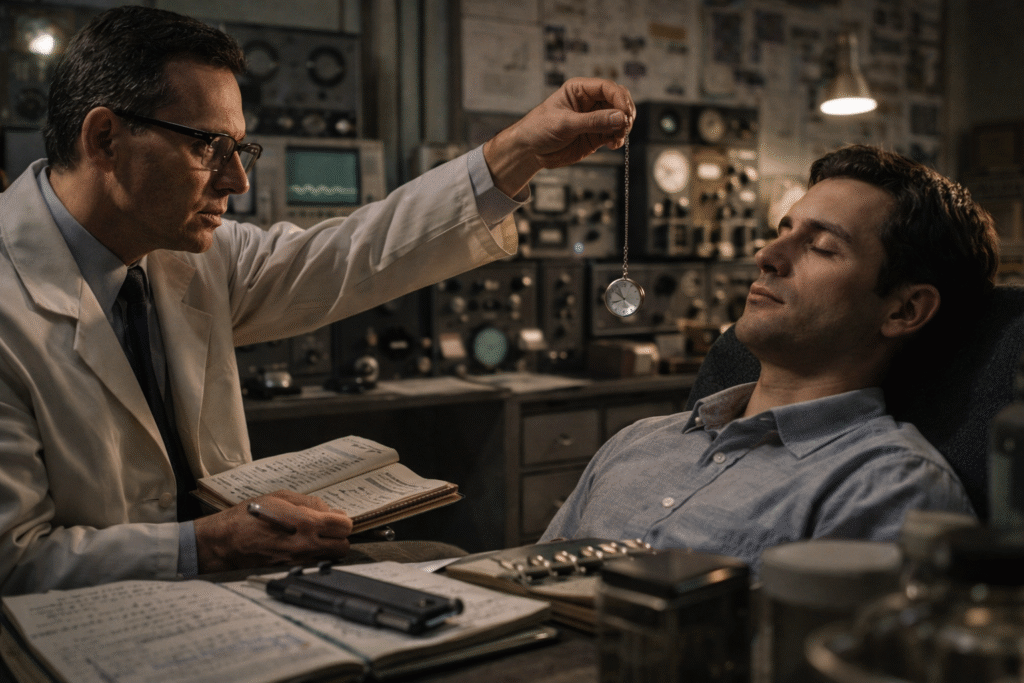
Declassified records reveal that Cold War mind-control research connected to the CIA’s MKUltra program extended to Australia. Experiments conducted at the University of Sydney explored whether hypnosis could influence people to perform dangerous or anti-social acts.
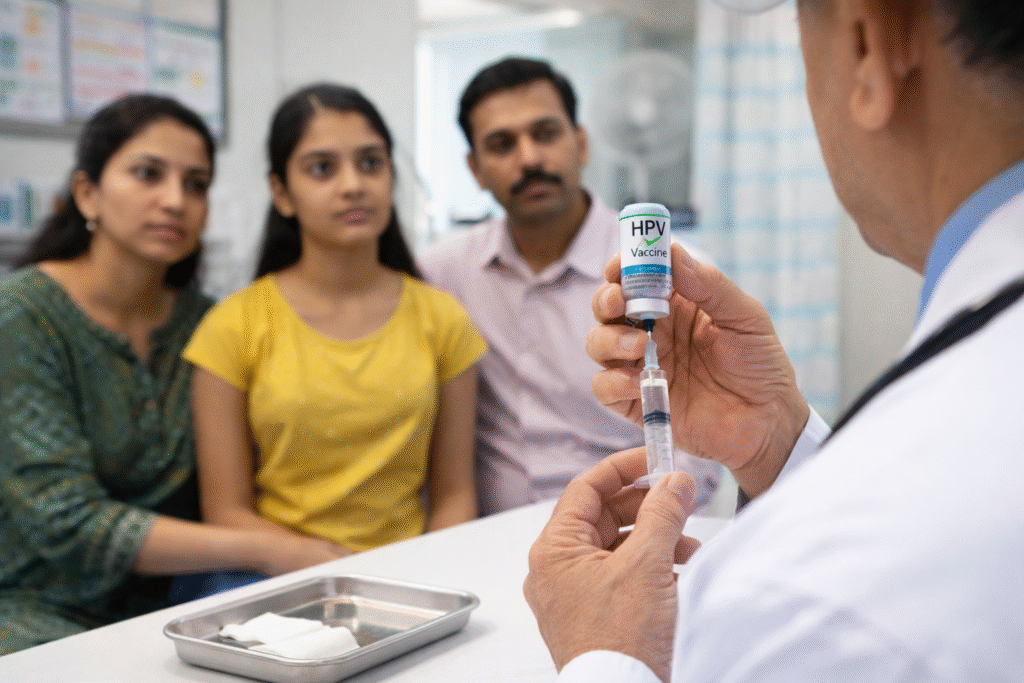
An Indian health policy expert has urged an independent scientific review of the country’s nationwide HPV vaccination campaign. The initiative aims to provide free HPV shots to millions of teenage girls across India.

A theory claims ancient Templar vortex sites may sit above massive crystal energy structures buried deep beneath Earth’s surface. The concept links ley lines, stargates, and hidden energy grids.

Physicist and consciousness researcher Dr. Richard Alan Miller joins Caravan to Midnight to explore powerful natural cycles, solar threats, and the rise of artificial intelligence. The conversation examines whether humanity is approaching a technological and planetary turning point.

Satellite images of pyramid-shaped peaks in Antarctica have fueled theories of lost civilizations and alien contact. Here’s what geology and evidence actually show.
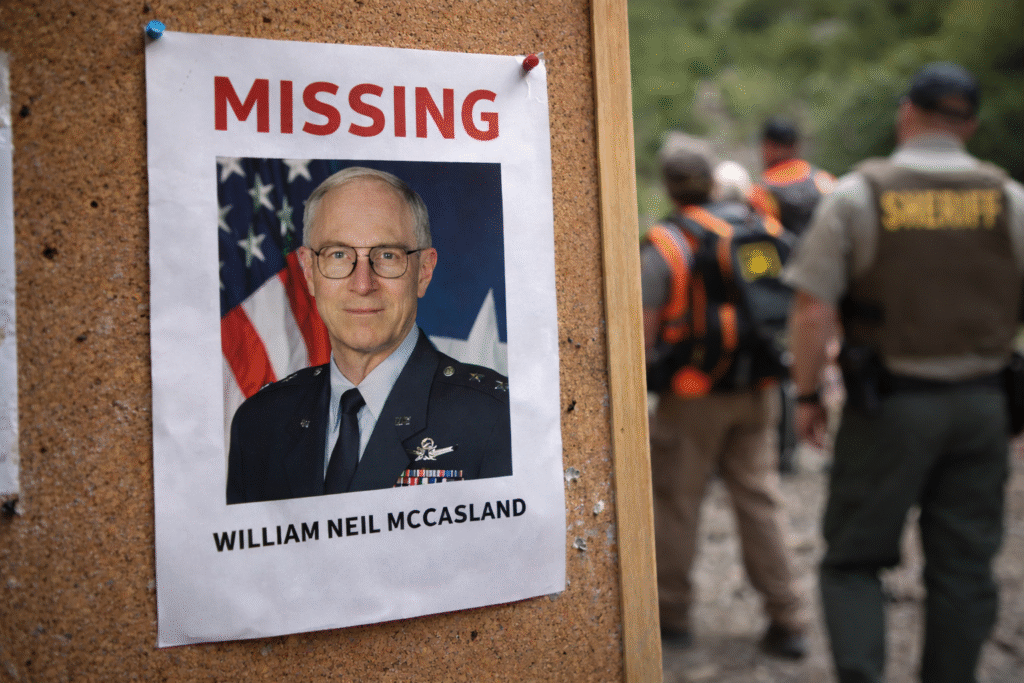
Retired Air Force Maj. Gen. William Neil McCasland has vanished in New Mexico, prompting a Silver Alert and concerns for his wellbeing. Law enforcement is asking the public for help locating the 68-year-old former lab leader.
The Defender article argues that Wikipedia’s approach to medical topics, especially alternative therapies, reflects bias and harms public understanding of human health. It criticizes Wikipedia’s reliance on skeptical sources and lack of expert oversight.

Nanoplastics have been found to enter brain cells that regulate puberty and reproductive hormone production, potentially disrupting normal development. The findings highlight growing concerns about plastic pollution’s impact on reproductive health.

Chemicals used as “safer” alternatives to BPA in plastics and packaging may disrupt reproductive health and fetal development similar to BPA. More research and regulation are needed.
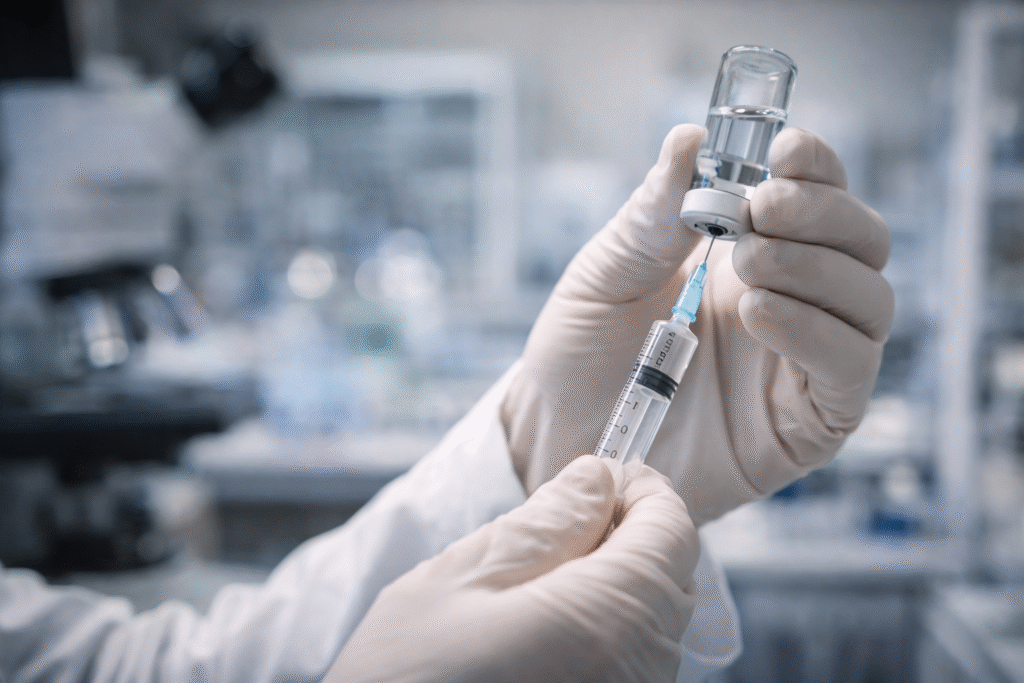
Moderna says the Food and Drug Administration has agreed to review its new mRNA-based flu shot after a highly public dispute about the vaccine’s trial design and initial refusal to file.
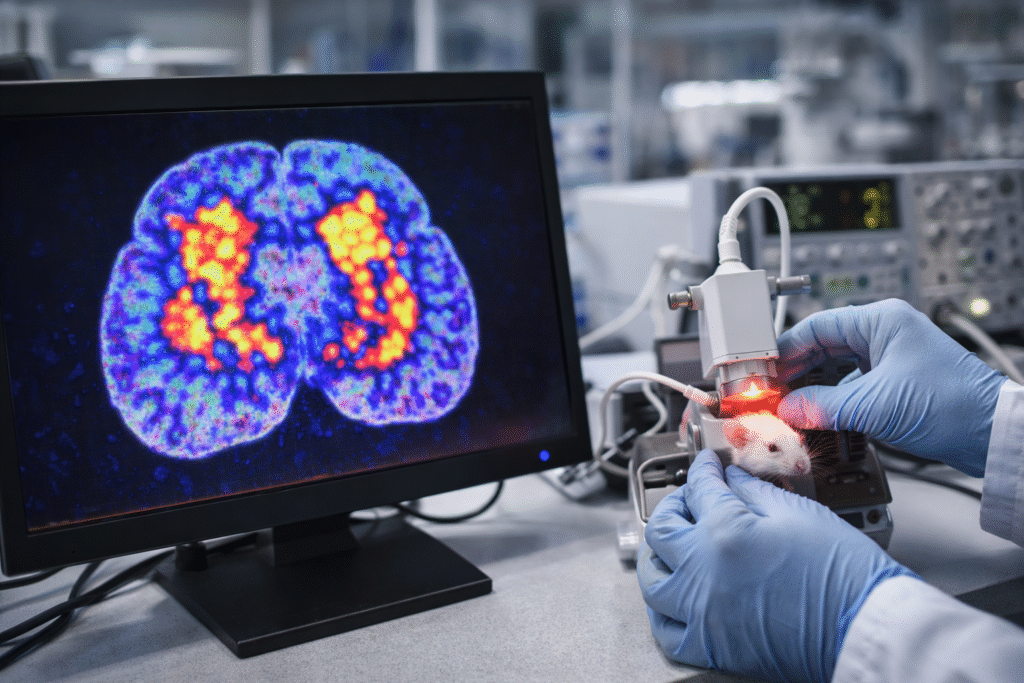
By Noah News is going viral today that MIT researchers cleared 50% of Alzheimer’s plaques using 40 Hz sound waves ─ no drugs─ no surgery. That…

A newly released FOIA image confirms a 2015 UAP incursion at the Pantex nuclear weapons facility in Texas. Additional unexplained incidents at DOE energy sites raise renewed national security concerns.

For the first time in about 15 years since the Fukushima disaster, Tokyo Electric Power’s Kashiwazaki-Kariwa plant in Niigata restarted its sixth reactor and began transmitting power to Japan’s electrical grid.

In Switzerland, Iran and the United States concluded a round of indirect nuclear talks with some progress on “guiding principles,” though major gaps remain ahead of future proposals. The talks unfold amid military activities in the Strait of Hormuz and regional tensions.

Lake Michigan has given up a 150-year-old secret hidden beneath its waters. The discovery offers fresh insight into the region’s past.

An AI safety researcher at Anthropic has raised internal concerns about advanced model risks and oversight. The warning highlights governance and deployment tensions.