
 RT International
 By Murad Sadygzade
Israel’s domestic political life is boiling over. Against the backdrop of war, disputes over the limits of executive power, and a deepening crisis of trust in state institutions, the country appears to be edging toward a major political transformation. This is hardly surprising. Large-scale shifts are visible across the region and at the global level of international affairs, where older models of stability are breaking down and competition between strategies and identities is intensifying.
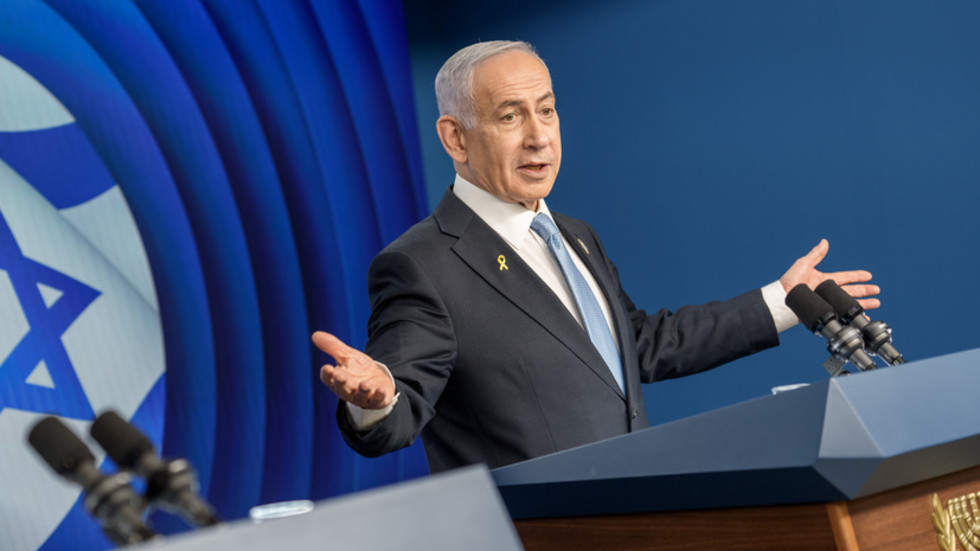
An additional catalyst has been the unprecedented story of the official pardon request that Prime Minister Benjamin Netanyahu submitted to President Isaac Herzog. Seeking to halt the corruption trial against him, Netanyahu framed the move as a step that could ease social polarization and free him to focus on leading the country. The President’s Office acknowledged the extraordinary nature of the request, said it would be carefully reviewed after receiving legal opinions, and released the relevant documents, including an extensive legal brief.
A key international dimension is that in November, US President Donald Trump sent Herzog a letter urging him to grant Netanyahu a full pardon, arguing that the court proceedings distract the prime minister at a critical moment. Politically, this can be read as more than a simple gesture of support. In Washington, especially after several turbulent episodes in 2025, there may be a growing sense that Netanyahu’s status and political vulnerability have become a significant source of instability and a risk to the US approach aimed at de-escalation and a longer-term settlement in Gaza. This interpretation also surfaces in expert discussions noting that the White House has had to restrain Israel’s leadership from undermining arrangements for the sake of domestic political survival…
READ FULL ARTICLE HERE… (rt.com)

Home | Caravan to Midnight (zutalk.com)