
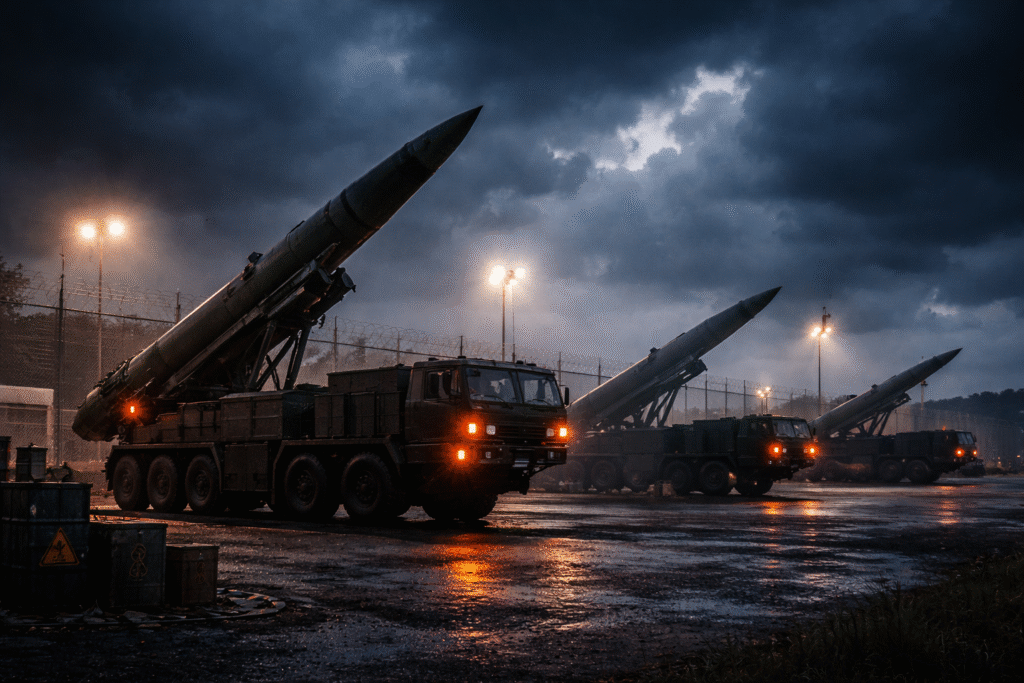
Israeli officials warn Iran may be advancing ballistic missile programs alongside potential chemical payload capabilities. U.S. envoys also caution that enrichment timelines are tightening.
Posts tagged as “Iran”
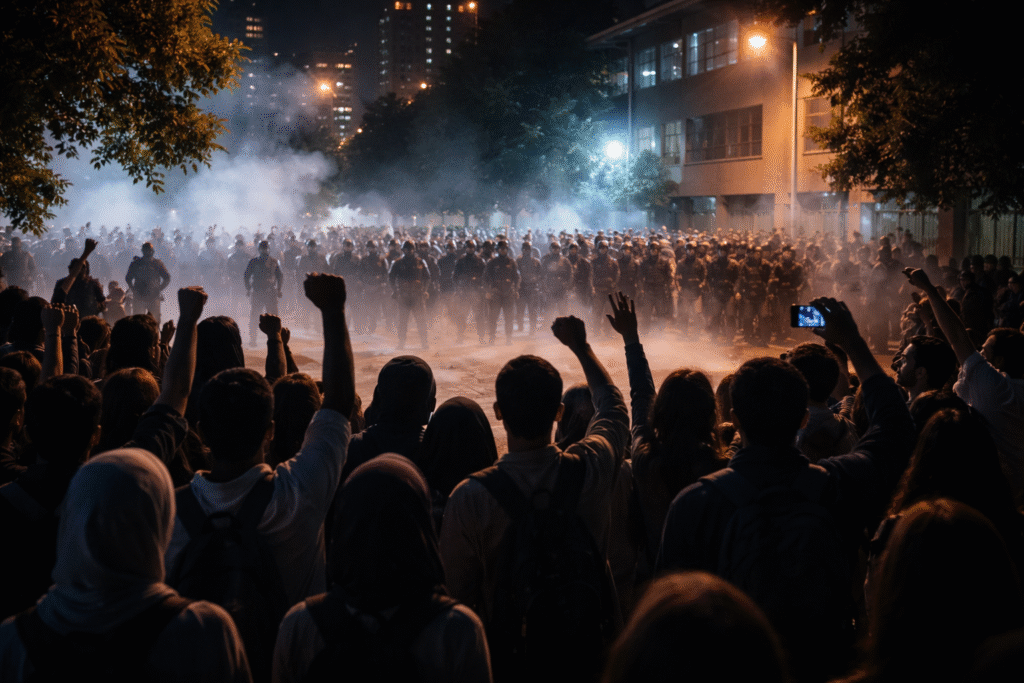
Student protests are spreading across Iran as tensions rise over a possible U.S. strike. Demonstrations, memorials, and clashes with security forces signal deepening instability.

Naked Lines Friday returned the microphone to the audience as major national developments unfolded. Callers from across the country shared firsthand reports on immigration enforcement, economic strain, military positioning, and local unrest.
U.S. senators including Lindsey Graham, James Lankford, and Jacky Rosen pushed for funding tools to help Iranians bypass censorship and access VPNs. Critics note these same lawmakers have supported surveillance and encryption backdoor policies at home.
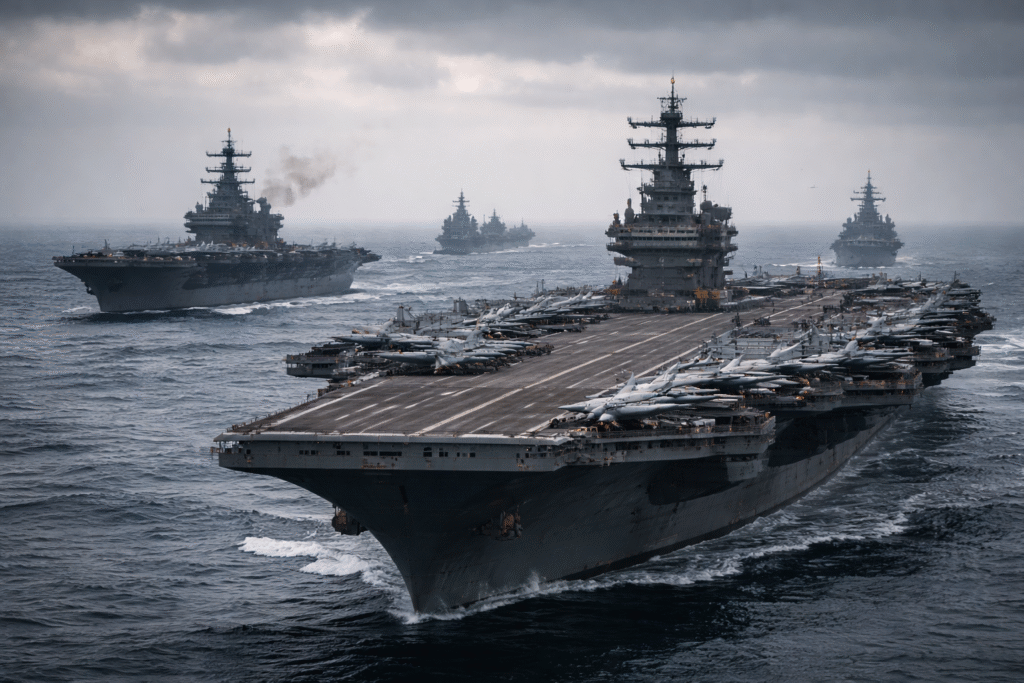
According to reports, the U.S. military is prepared to strike Iran as early as this weekend, but President Donald Trump has not yet given final authorization. The buildup of U.S. forces in the Middle East reflects growing tensions amid stalled diplomatic talks.
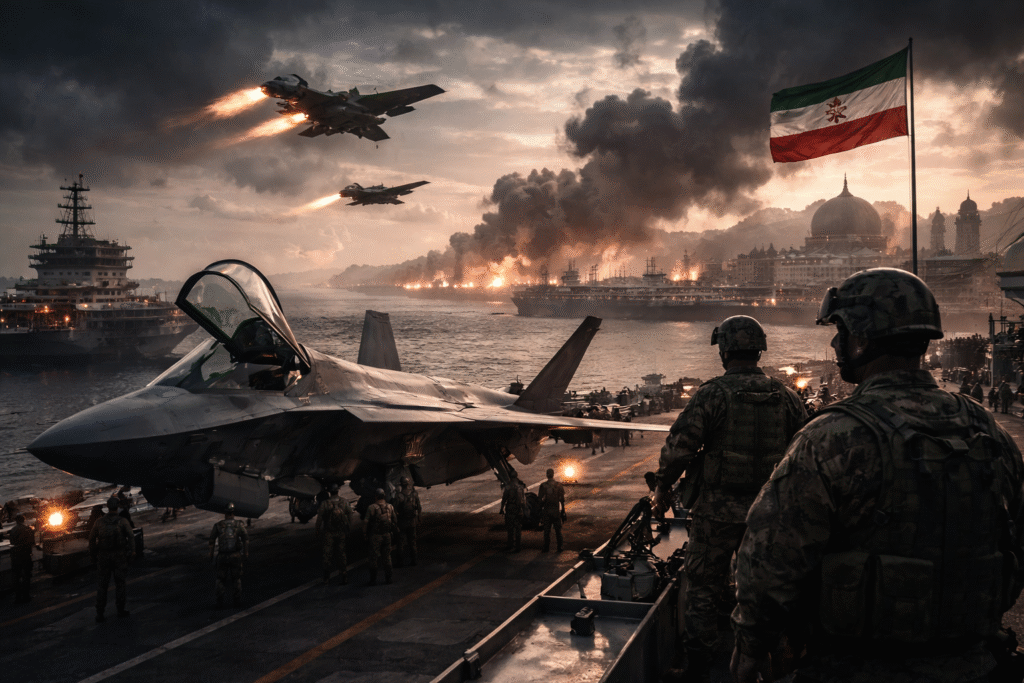
The U.S. is reportedly preparing for a possible large-scale military operation against Iran as diplomatic efforts stall. Officials warn the conflict could reshape regional stability and global politics.

Donald Trump sparked controversy after suggesting regime change in Iran could be positive for the country. The remarks come amid ongoing tensions and diplomatic talks.
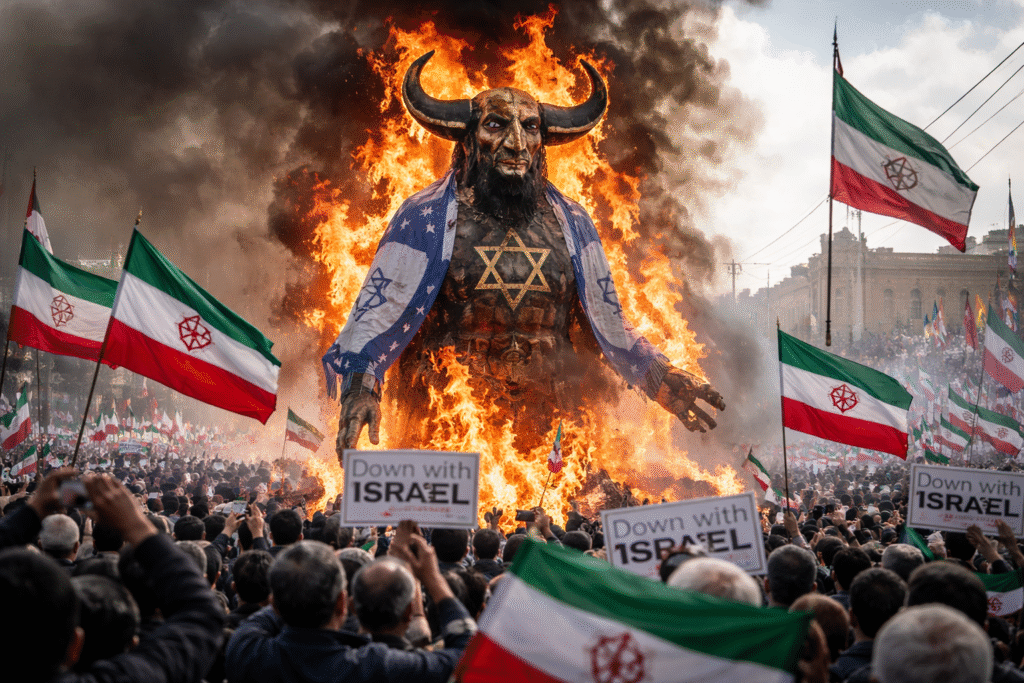
Iran’s revolution anniversary featured anti-Israel demonstrations, missile displays, and defiant speeches from regime officials. The events underscored ongoing regional tensions.
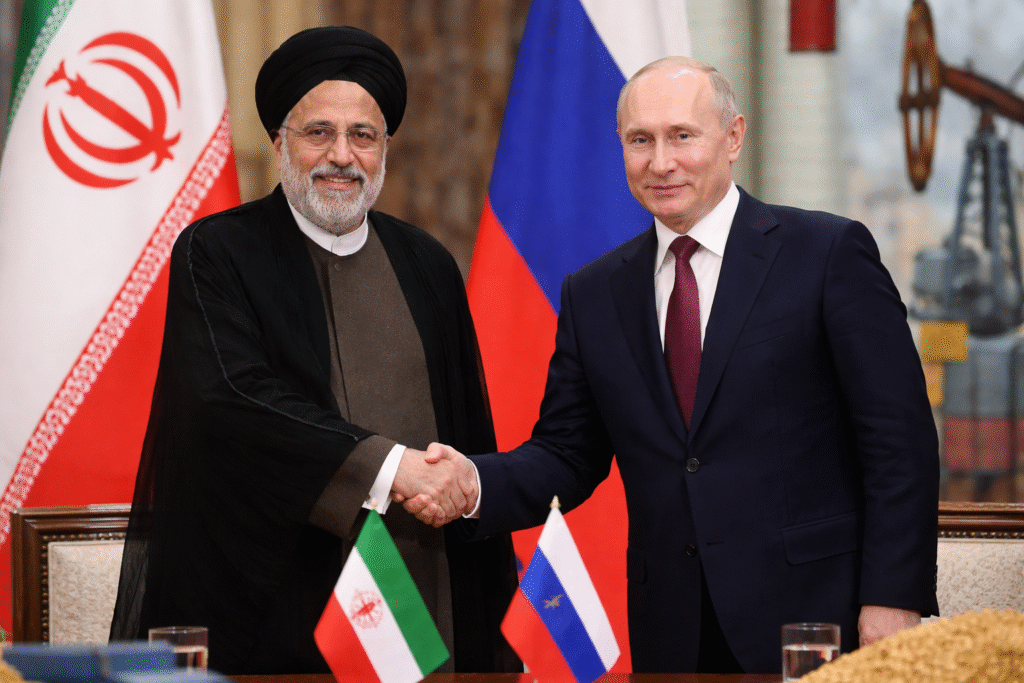
Iran aims to boost trade with Russia to $30 billion in the coming years, with a $5 billion target set for this year. Cooperation will focus on energy, agriculture, and sanctions-driven economic ties.
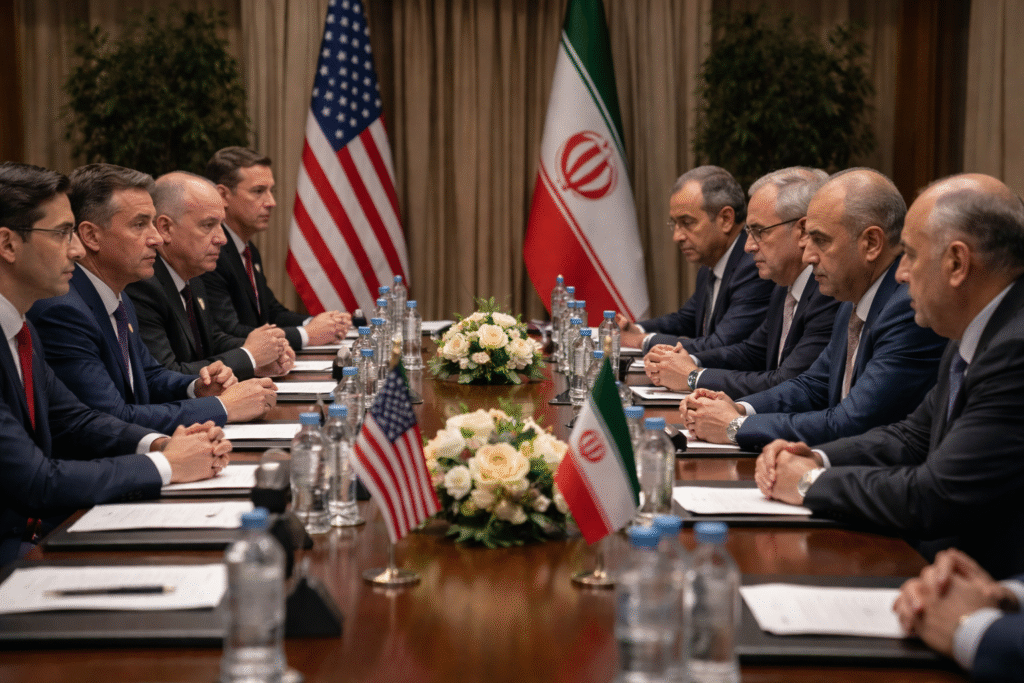
U.S. and Iranian officials met in Oman for face-to-face talks on Tehran’s nuclear program following last year’s conflict. Disputes over uranium enrichment and U.S. military pressure remain key obstacles.
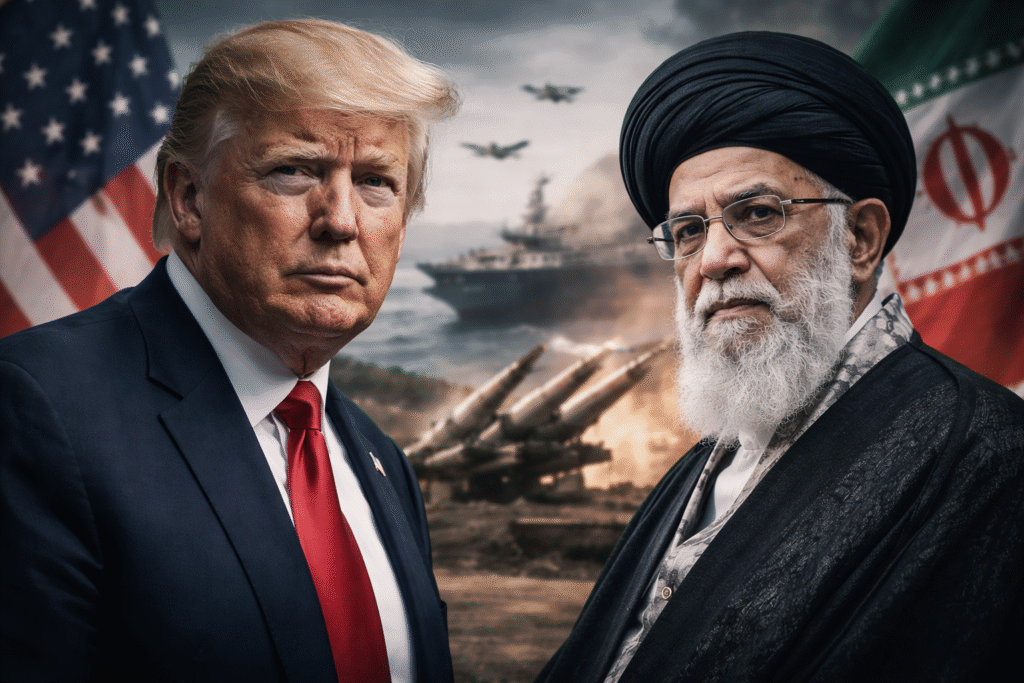
President Trump said the world would soon “find out” whether Iran’s Supreme Leader was correct in warning that a U.S. strike could ignite a regional war. The comments come as Washington boosts its military presence while leaving the door open to diplomacy.
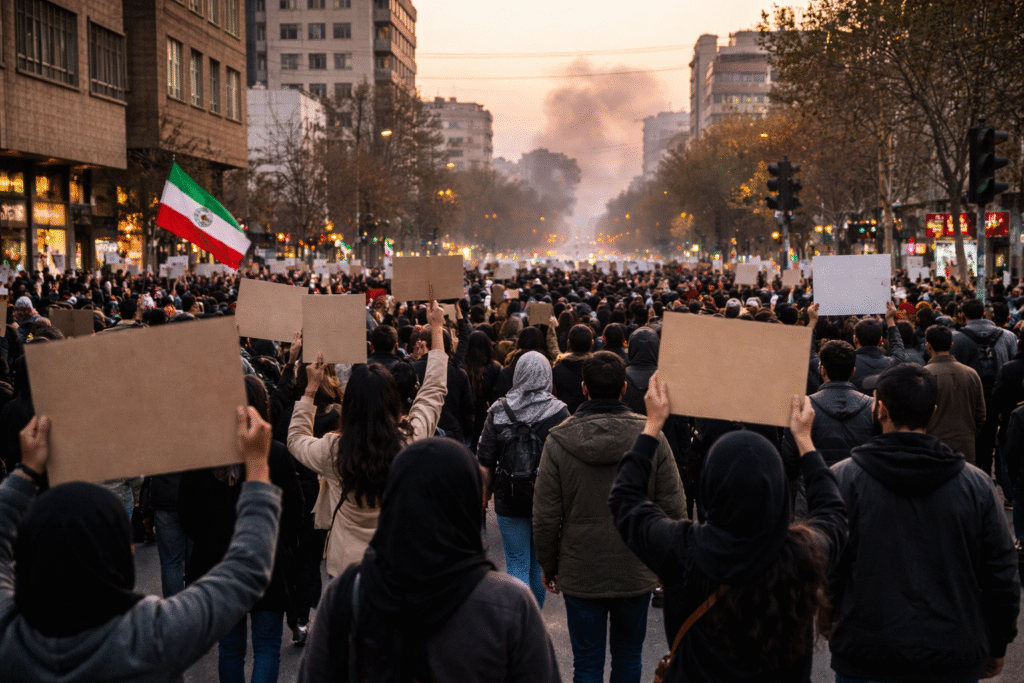
Iranians spoke anonymously to the Associated Press about mass protests in Tehran and across Iran, describing hope and fear as security forces crack down on demonstrators. The government’s aggressive response has led to widespread killings and an internet blackout that hinders independent reporting.
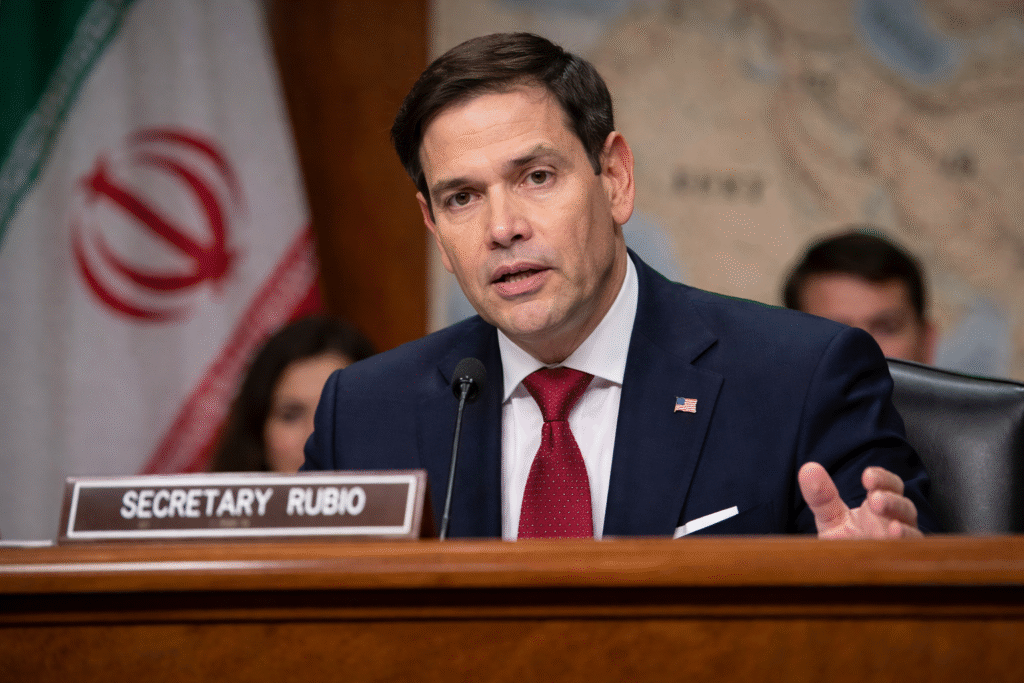
Secretary of State Marco Rubio testified that Iran’s regime is weaker than at any point in recent history, citing widespread protests and economic collapse. He also defended the U.S. military buildup in the Middle East as a deterrent amid rising tensions.
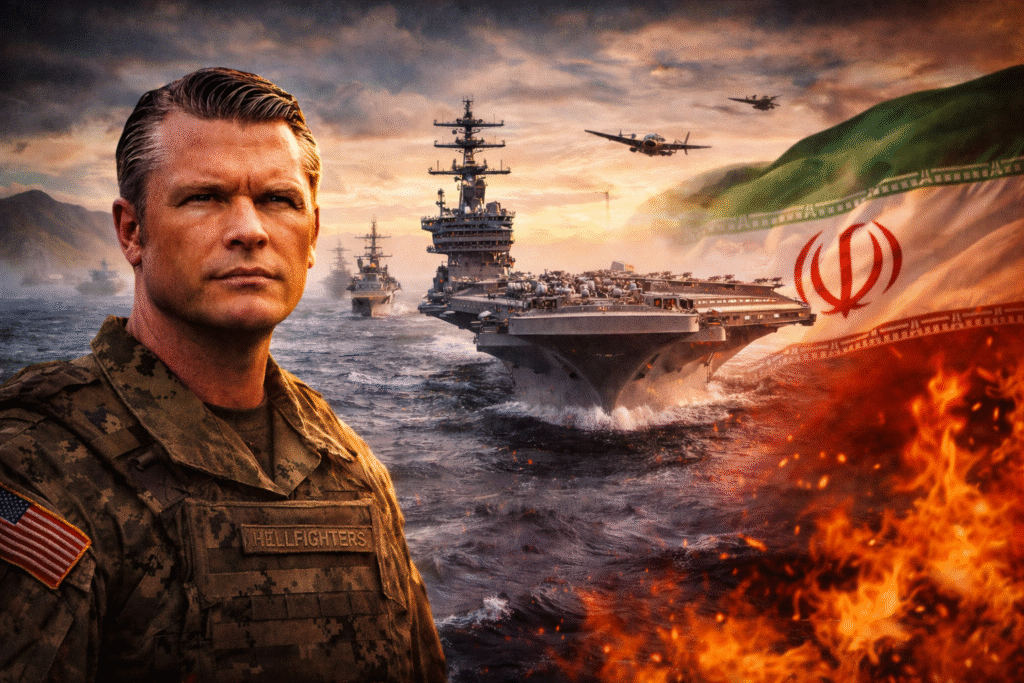
The US military is prepared to act against Iran if ordered by President Trump, according to Secretary of War Pete Hegseth. A large US naval force has moved toward the Middle East amid rising tensions.

Journalist Ben Norton claims NATO leaders are openly signaling conflict with multiple nations beyond Russia, framing the alliance as a global power bloc rather than a defensive pact. He argues Europe now acts as a subordinate partner in a broader geopolitical confrontation.
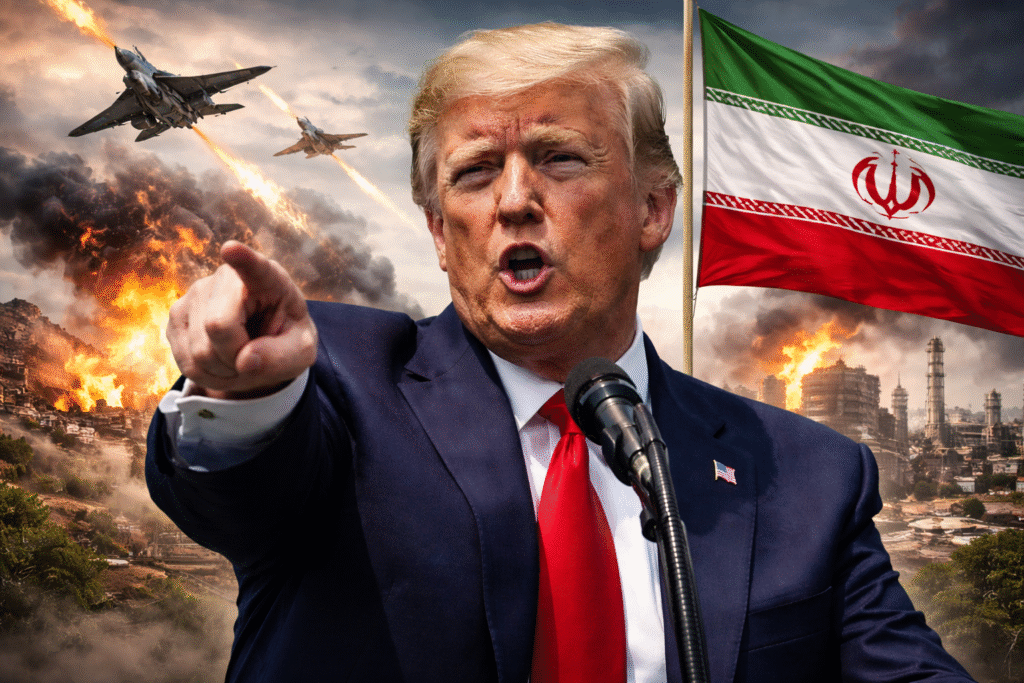
President Donald Trump warned that the United States would launch unprecedented strikes against Iran if US military or commercial facilities are attacked. The statement comes amid rising tensions and reports that Tehran views US and Israeli assets as potential targets.
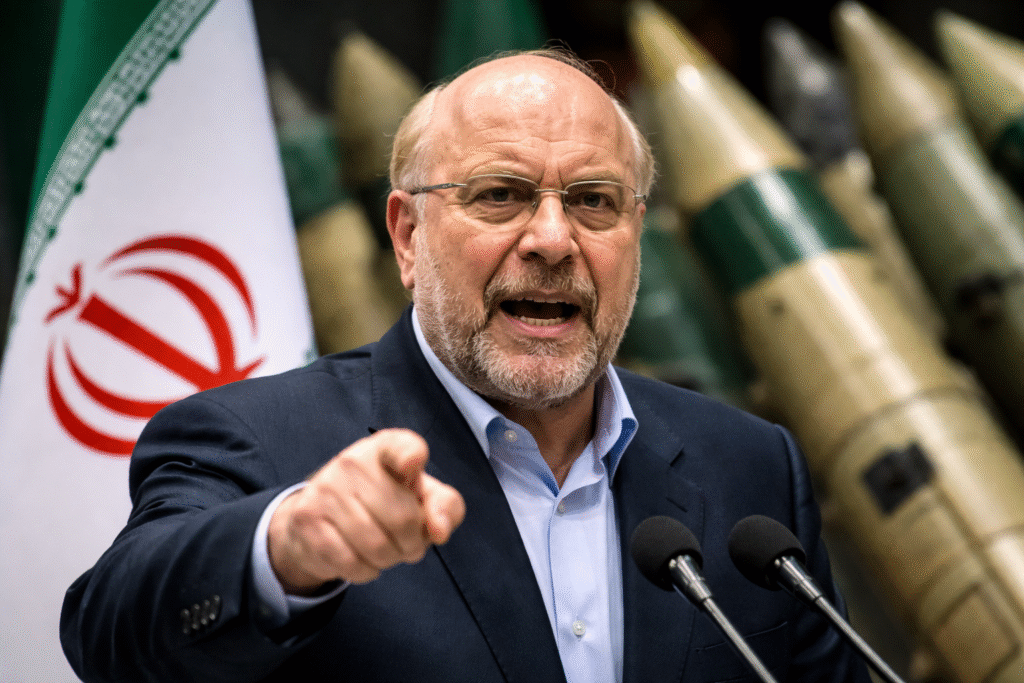
Iran’s parliamentary speaker has warned that Tehran will carry out preemptive strikes against US and Israeli targets if it detects signs of an imminent attack. The threat comes amid nationwide unrest in Iran and growing Western support for anti-government protests.
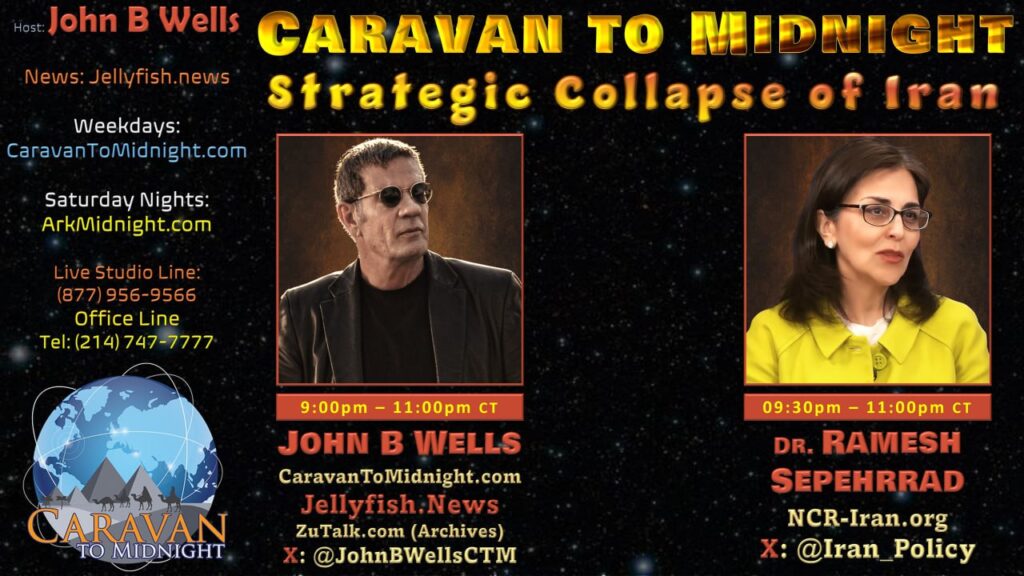
Iran is unraveling from within. While headlines spotlight flashpoints, a deeper transformation is threatening the regime’s control—and reshaping the Middle East. This episode explores the growing domestic unrest, economic collapse, and brutal IRGC crackdowns that signal a weakening grip on power. As Iran’s regional influence wanes, we examine how this moment could realign global power dynamics—and why it matters to U.S. interests.