
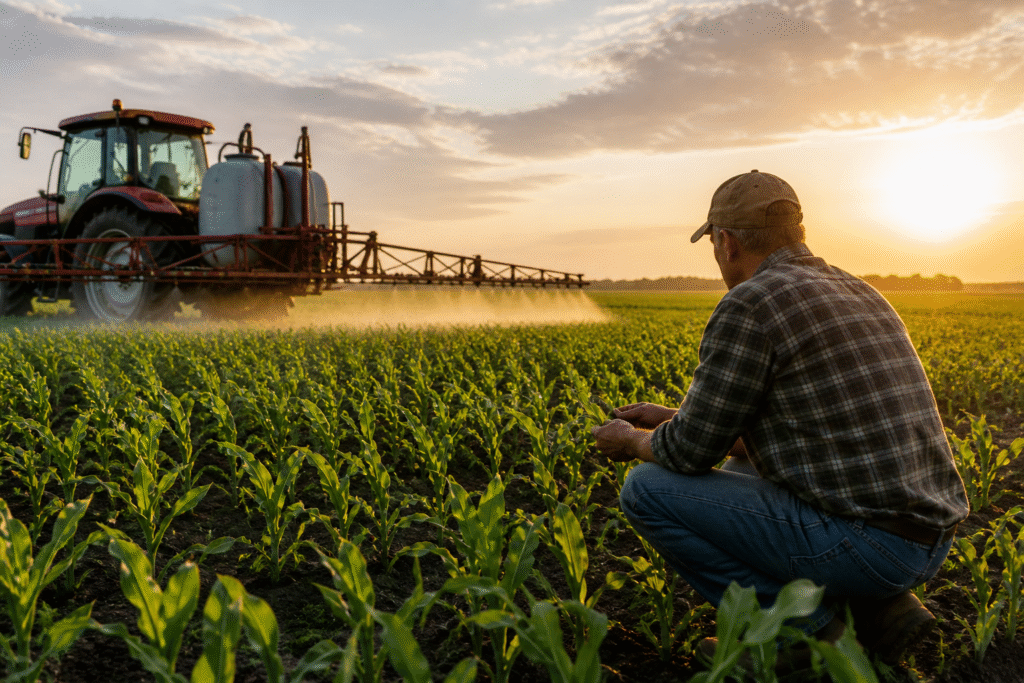
The U.S. House voted to remove pesticide liability protections from the Farm Bill. The bipartisan amendment preserves state authority over labeling and safety standards.
Posts published in “Agricultural”
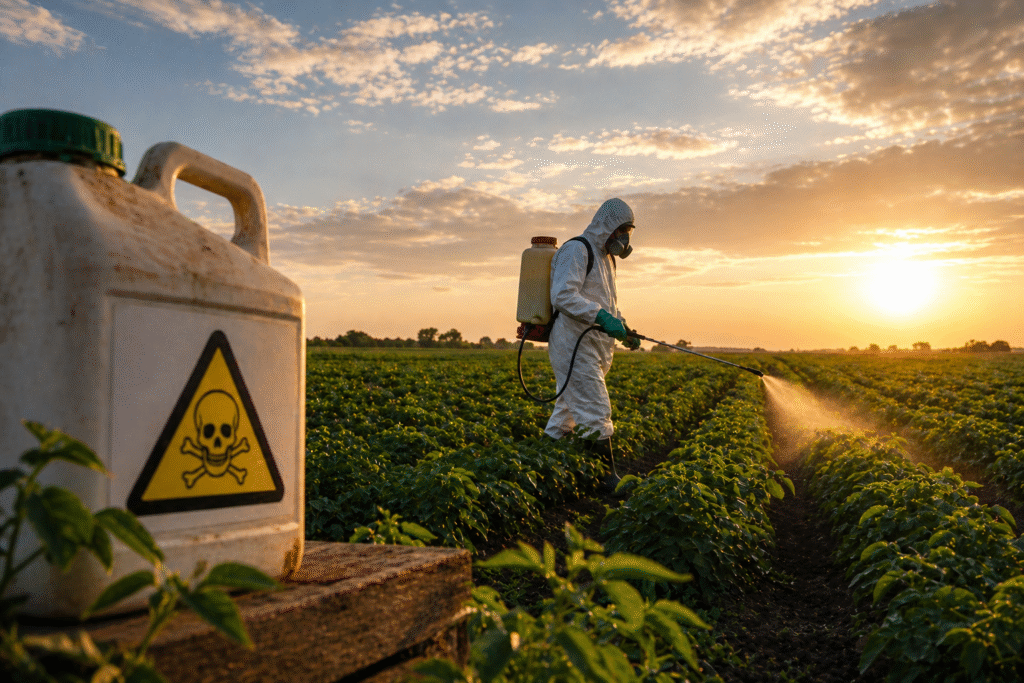
A proposed farm bill is facing backlash over provisions critics say protect pesticide companies from lawsuits. Lawmakers warn it could weaken public health safeguards.
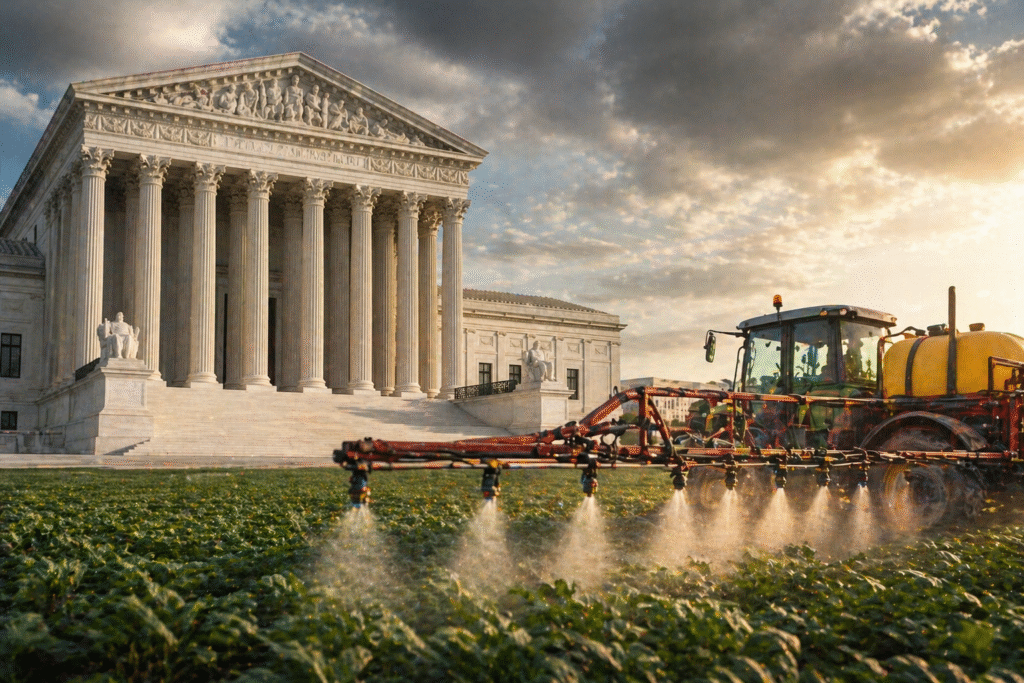
The Supreme Court is weighing a major Roundup liability case that could determine whether pesticide makers can be sued over cancer risks. The ruling may reshape U.S. legal standards.
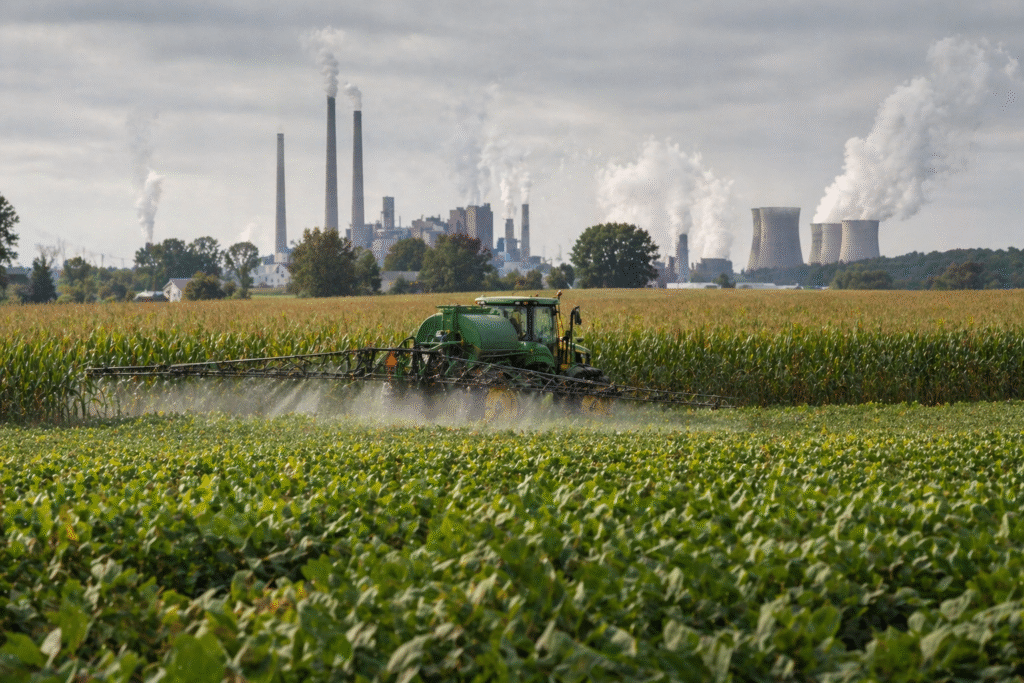
Ohio ranks among the highest states for cancer rates, with researchers examining possible links to pesticide use, pollution, and lifestyle factors.

Escalating farm attacks in South Africa are leaving rural communities in fear. Reports of violent incidents and rising fatalities have intensified concerns over safety and the future of farming.

Elon Musk’s father is involved in a proposal to relocate South African Afrikaner families to Russia. The plan echoes similar US refugee efforts and has sparked controversy.

USDA Secretary Brooke Rollins details agriculture policy gains under President Donald Trump. She emphasizes rebuilding trust with farmers and strengthening rural America.

Nate Sheets defeats longtime Agriculture Commissioner Sid Miller in a closely watched Texas election. The result could shape farming and rural policy statewide.

A farming family turned down a multimillion-dollar offer to convert their land into a data center. They say protecting farmland and community matters more than money.

A Canadian study found GMO-related Bt toxin present in both pregnant women and fetal blood. The findings raise questions about safety and the lack of follow-up research.

President Trump’s administration expedites resettlement of White South Africans amid disputed genocide claims and international debate.
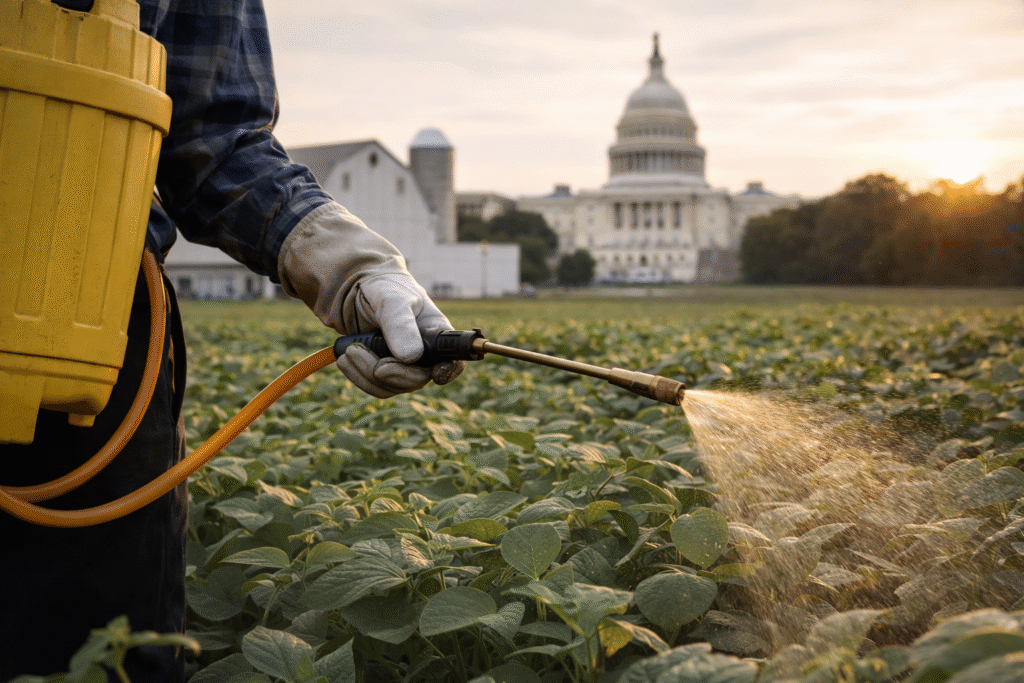
House Republicans’ proposed farm bill is under fire over provisions shielding pesticide manufacturers from lawsuits and limiting local environmental authority. Critics warn of health and legal risks.
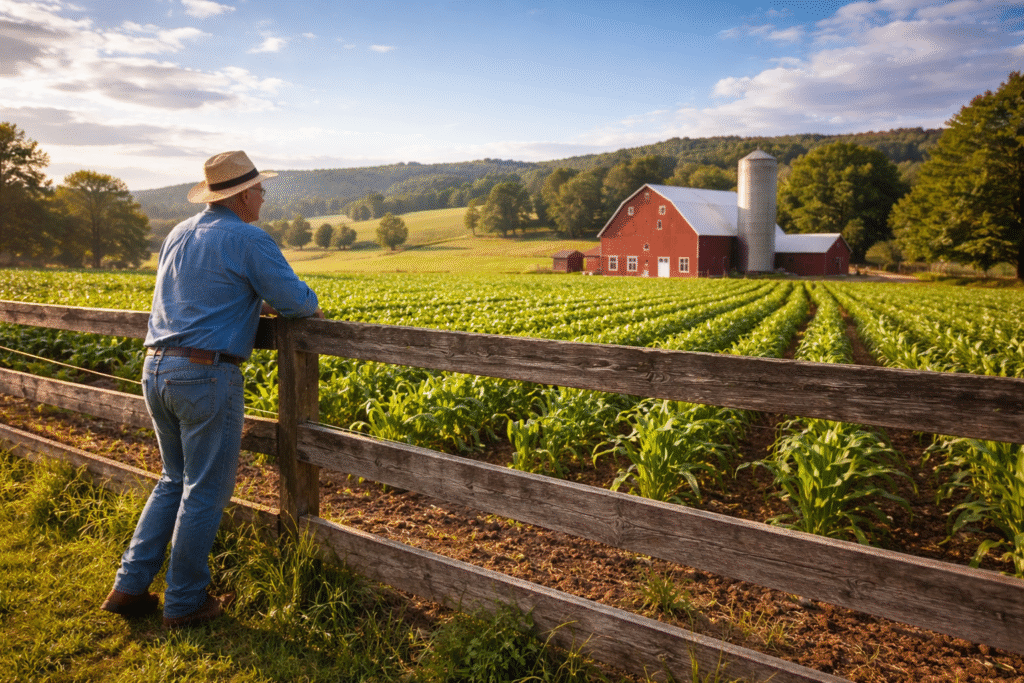
An elderly Pennsylvania farmer refused a $15 million offer from a data center developer to buy his land, opting to sell only the development rights to ensure it stays farmland.

Texas agriculture faces mounting pressure as family farms, food security, and public health collide. Nate Sheets joins John B. Wells to discuss restoring accountability, soil stewardship, and control of the food supply.

MAHA declared a major win after a disputed provision was stripped from legislation. The move reflects growing pressure from public advocates and lawmakers.

Apricot seeds contain amygdalin, a compound that can become cyanide in the body, leading to poisoning if consumed in large amounts. Despite myths about health benefits, scientific evidence does not support disease-fighting claims and warns of danger.

The EPA has reapproved dicamba for use on engineered crops despite past court rulings against it. Critics warn the pesticide’s drift threatens farms, wildlife, and rural communities.

WEF World Economic Forum Matthew Liao: We can induce 'meat allergy' by using Lone Star Ticks to stop the consumption of meat and “help the planet”